I cannot believe that it has been almost ten years since I wrote my original Blerdvision. As I state in 2016, I conceived Blerdvision as a Black History Month column which explores geekdoms from the lens of blackness. Published on a site catering to a predominately white audience, I utilized Blerdvision to justify talking about race first in video games, then in comics. By 2020, the deaths of George Floyd, which triggered memories of Ahmaud Arbery, Breonna Taylor, Atatiana Jefferson, Philando Castile, among others. The necessity of Racial Battle Fatigue and the Church empowered my departure from GUG, bringing me here to Blerd Beats.
This year, I would like to continue where I left off with Blerdvision 2016, which was hoping my children would grow up playing games featuring more diversity than I experienced. But before a survey of the industry at large, I would like to recognize first what black game devs have been up to since 2016, because there is nothing more meaningful than being in “The Room Where It Happens.”
Black Video Game Developers
Kiro’o Games

I thought it appropriate to begin a discussion of Black video game developers with the African diaspora. I also have a soft spot for Kiro’o Games as the first Cameroonian-based video game developer; while Free Lives is the most known African game dev, Kiro’o Games is prominently Black-owned. Aurion: Legacy of the Kori-Odan was one of the first (free!) review keys that a developer blessed with during my tenure at GUG, and I was not merely pleased, but proud that Aurion turned out to be a great game whose content stands tall among its contemporary indies. Twelve years in the making, know that Aurion is more than a labor of love; it represents possibility.
Aerial_Knight
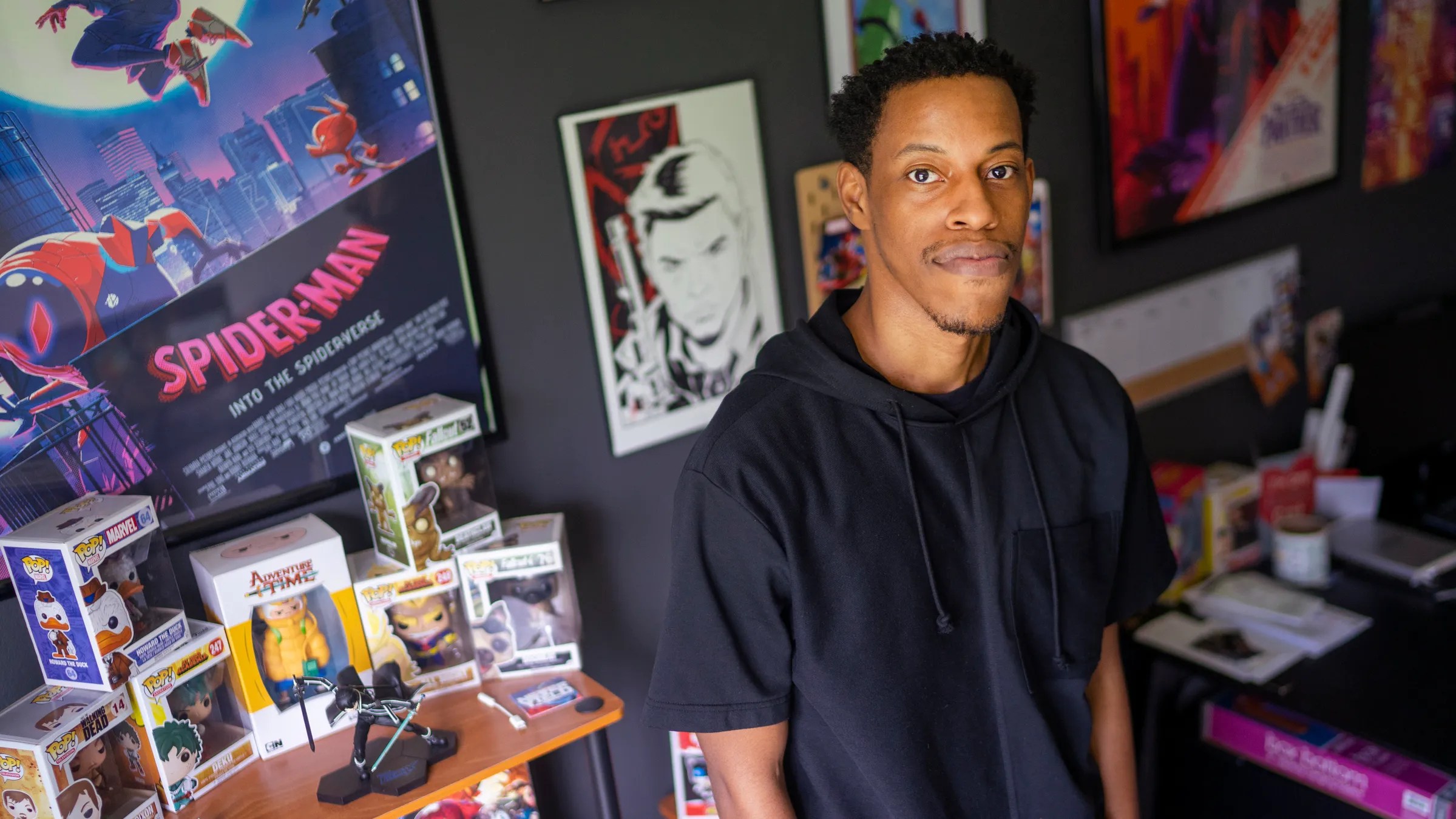
During the end-credits scene of Avengers: Age of Ultron, Thanos puts on the Infinity Gauntlet and says, “Fine, I’ll do it myself.” While Jones does not maintain ambitions for intergalactic destruction and conquest, he is a paragon of do-it-myself energy. The man has been featured in news stories, articles, podcasts, and YouTube spotlights while working three garbage daytime jobs over the course of at least four years. During his Guerilla Collective interview, (while correcting one of the hosts’ gameplay errors multiple times) he even admits that he developed Never Yield out of pettiness because someone told him he couldn’t make a game (alone).
Ember Lab

The moment that I found out that two Black men owned a game development studio that would release a then-exclusive game on the PS5 that features Disney-smooth animation, I purchased it immediately and at launch for my daughter. To release an AA game like Kena: Bridge of Spirits off the rip indicates that Josh and Mike Grier were resourced. Indeed, they came from a household of means, with their father ranking high as an executive for Disney theme parks. Their proximity to Disney combined with the influence of video games like The Legend of Zelda series and interest in Studio Ghibili animation led them to found Ember Lab.
I do find it comforting that a two Black game devs born in the US did not ride the struggle bus in game dev journey. They say so when pressed about their blackness; they say that they do not recall their race being an obstacle. Must be nice; honestly, the way that I have had to source their origin story through a third-person documentary rather than a direct interview, and how they answer questions about their identity gives strong conservative vibes. But hey, I’m going to give them the benefit of doubt as Black game devs of privilege until they give me reason to drop my support.
Not everyone has to go hard in the paint for social justice. Some just do the work quietly. (I hope.)
NuChallenger
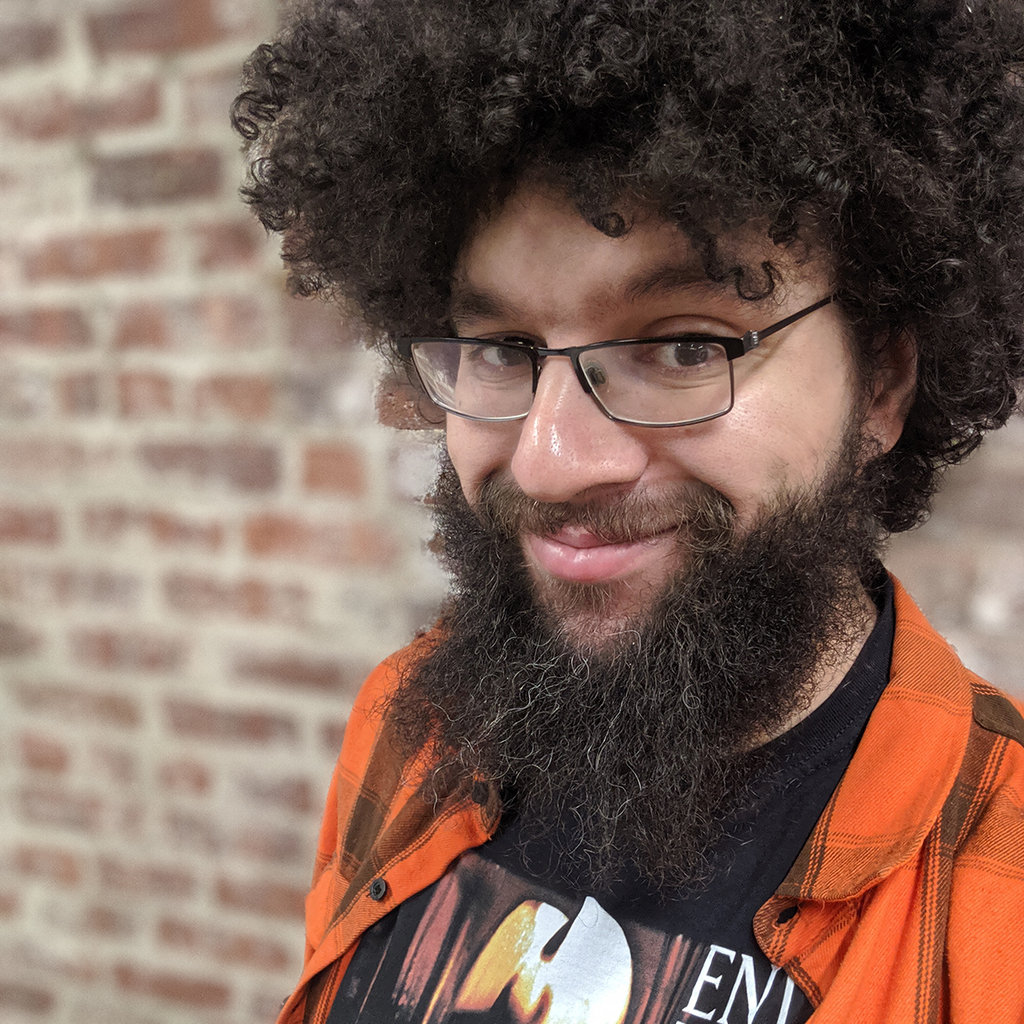
When Treachery in Beatdown City was trending as a new release on steam, I almost bust out laughing at the music accompanying the trailer. Real talk, that’s the kind of unserious but serious bombast to a hip hop beat that only Black people are capable. Sure enough, I look it up and a light-skinned brotha is head of the NuChallenger studio.
A fan of pro wrestling, kung-fu movies, and beat ’em ups like Double Dragon, Shawn Alexander Allen wanted players to navigate an RPG-like game where players have to decide how to fight their way through encounters that resemble real life in NYC. As a product of the rural suburbs of the South, Treachery in Beatdown City is an experience to say the least. I normally do not care for Nintendo-era sprites for aesthetics, but they work here.
Surgent Studios
While Neil Jones goes HARD in his Guerrilla Collective interview because he was out there fighting for his life working dead-end jobs between developing Never Yield, Abubakar Salim raises the bar further. As an Afro-British of Kenyan descent coming from a posture of financial security via a career in acting, Surgent Studios is a passion project for Salim. So, so when he responds to internet vitriol, he does so with a kind of care intentionality that African-Americans do not have the energy for. Racial Battle Fatigue is a thing, after all. That said, Salim’s own words are worth a listen.
The first time I saw the reveal trailer for Tales of Kenzera: ZAU, I rushed to Steam to wishlist it. Like Aurion: Legacy of the Kori-Odan, I highly value stories from the Motherland, because living in America has denied me these. If I see one more Greek or Norse god game, I might spike my Raider GE78HX. So yes, gimmie more of this, please.
Veritable Joy Studios
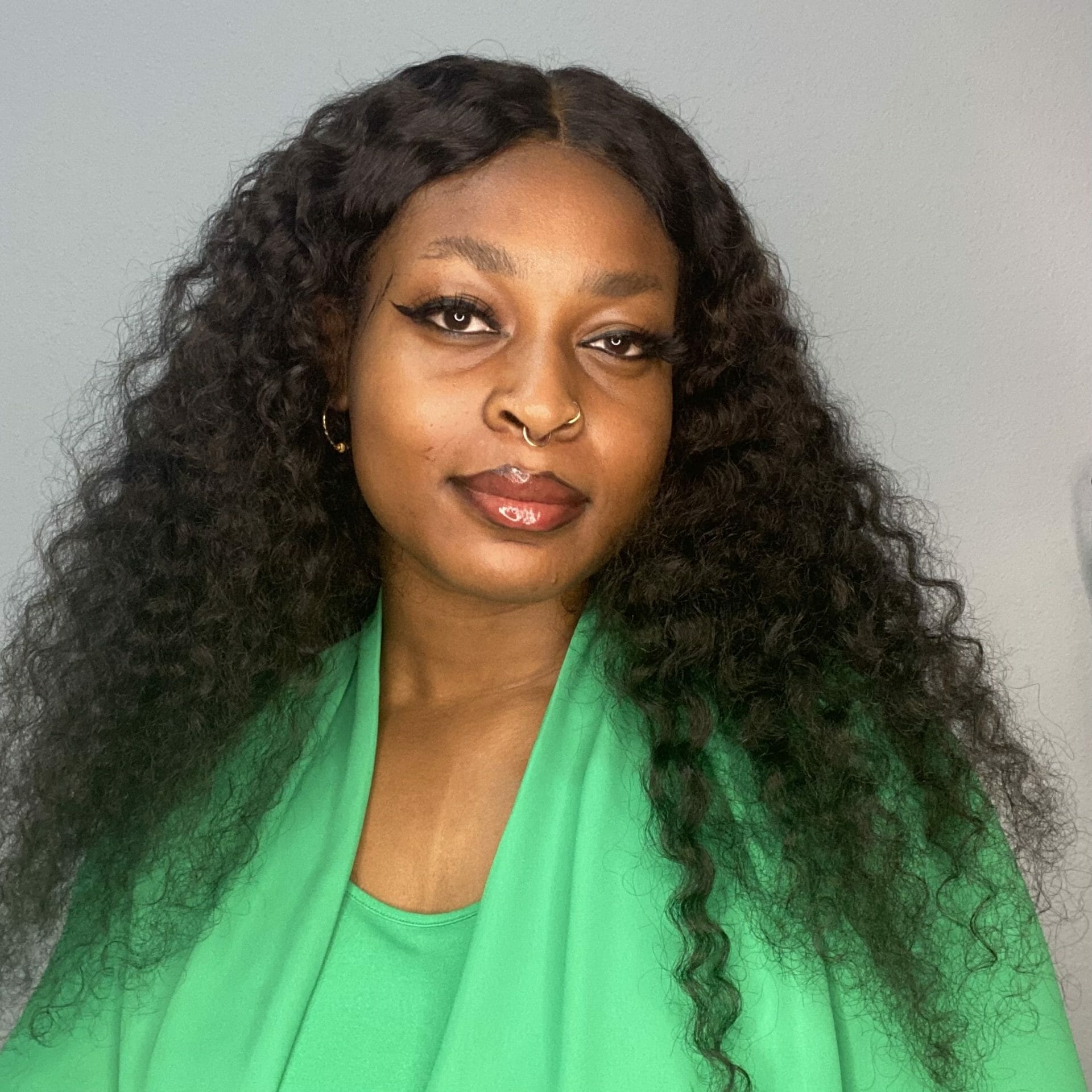
If you were to search YouTube for Dani Lalonders, you may find nothing but rage-bait. That is because during a Game Dev Expo virtual talk that she gave in December 2021, she mentions that she intentionally built her team, Veritable Joy Studios, to consist of all people of color. And the white people who normally complain about forced diversity, race bending, and that marginalized people should make original stories (like Tales of Kenzera: ZAU, but they complained about that too) lost their effing minds. It’s a shame that the reactions to Lalonders explicitly stating why she built a talented all-BIPOC team have overshadowed the fact that she succeeded in actually doing so. Unironically, the salty tears of her detractors…validate…her business plan. Meanwhile, gamedev studios create and hire exclusively white, predominately male teams ALL THE TIME. They will even have the nerve to post a photo of the team after their game goes gold, and I play a mini-game to see if anyone brown was involved in the making of said game.
(Want to play? Try Mimimi. Try Warhorse. Try 11 Bit. Try CDPR—this one is actually fun because it’s a true Where’s Waldo-sized high resolution photo and there are indeed a few brown folks).
ANYWAY, yes, Lalonders wanted to create a rom-com game featuring BIPOC because nobody else was making games where a black or brown female protagonist is searching for love. I’ll admit that I find the aesthetic of ValiDate: Strugling Singles in Your Area alienating, but I am aware that that’s because I am chishet, and therefore, not the target audience. Still, I include Validate because of what Veritable Joy Studios has accomplished via self-publication, because larger publishers were afraid of the BIPOC characters featured on the box art.
I also think it’s worth watching/listening to Lalonders’ talk in its entirety because she has many more valuable things to say about gamedev that I had not heard from other interviews while composing this article.
Strange Scaffold
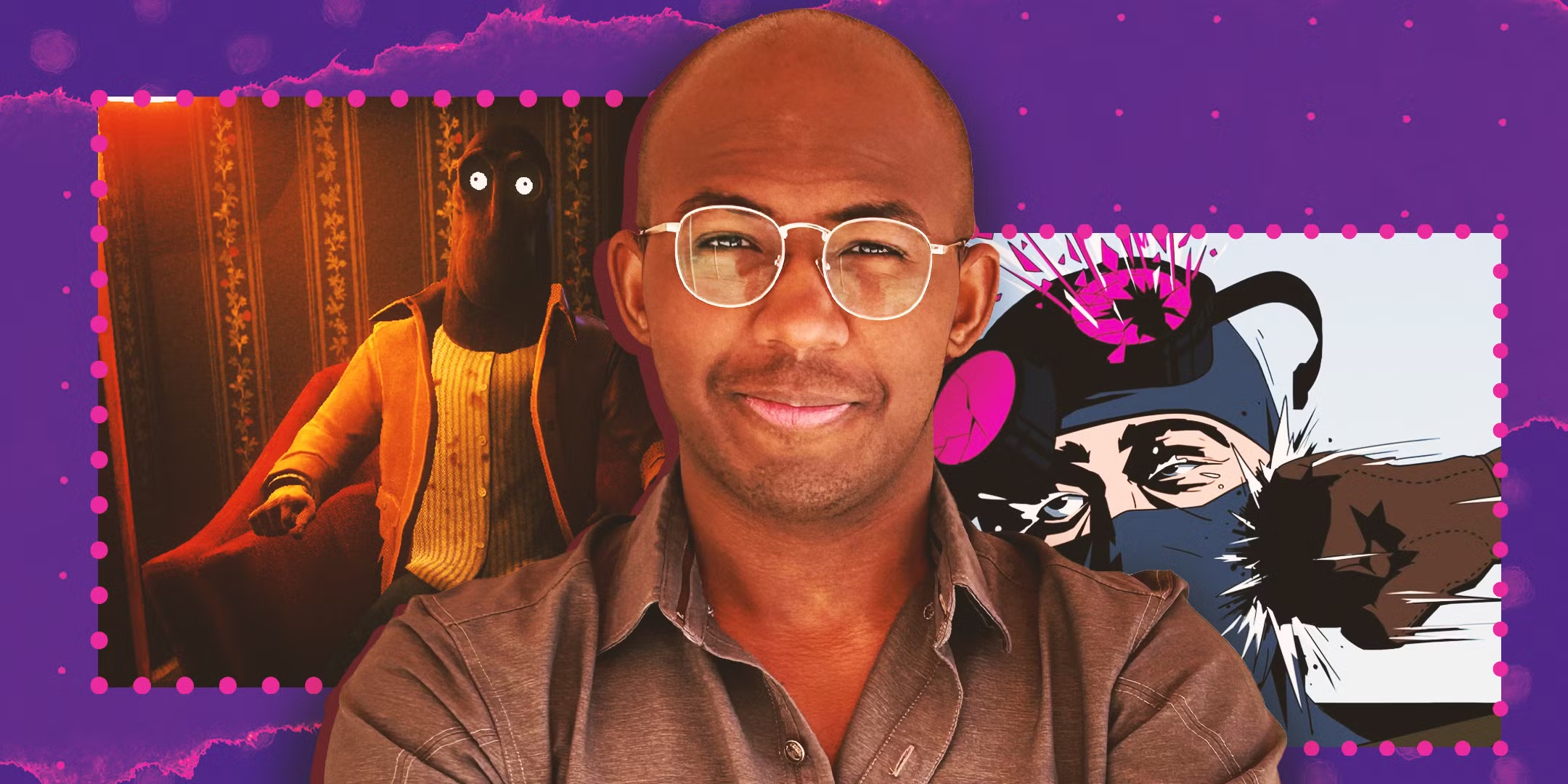
Out of all the black game developers I have highlighted here, Xalavier Nelson, Jr. is near and dear to my heart. Because he is a fellow Christian, I once attempted to recruit him to write for my team at GUG. He and I exchanged many messages from 2017-2020, and he encouraged me to try and pitch to outlets like Waypoint or Kotaku.
Since those days, Nelson Jr. has evolved from writing about games to making them. And he has been busy! Either under his own name or retroactively under his studio Strange Scaffold, has developed or published as many games as everyone else featured in this piece combined. And he has done so largely on his own terms, shipping games with theoretically unmarketable names such as An Airport for Aliens Currently Run by Dogs or Space Warlord Organ Trading Simulator. But the games that have put him over so to speak, are El Paso Elsewhere and I Am Your Beast, two games that feature a black protagonist.
And Nelson Jr.’s decision to make the protagonist black was not taken lightly. In an interview with The Nerds of Color, he describes the process of overcoming mental and social barriers restricting him from portraying a Black person as a character the audience plays and follows. This metamorphosis is significant, because Nelson Jr. was designing, writing, and voice acting for his games, but his likeness would be missing. He mentions that Max Payne‘s face is that of its creative director; in so many words, Nelson Jr. admits that removing the barrier of own racial exclusion in his games is a rewarding and difficult creative process.
 Blerd Beats
2 thoughts on “Blerdvision: Black Game Devs 2025”