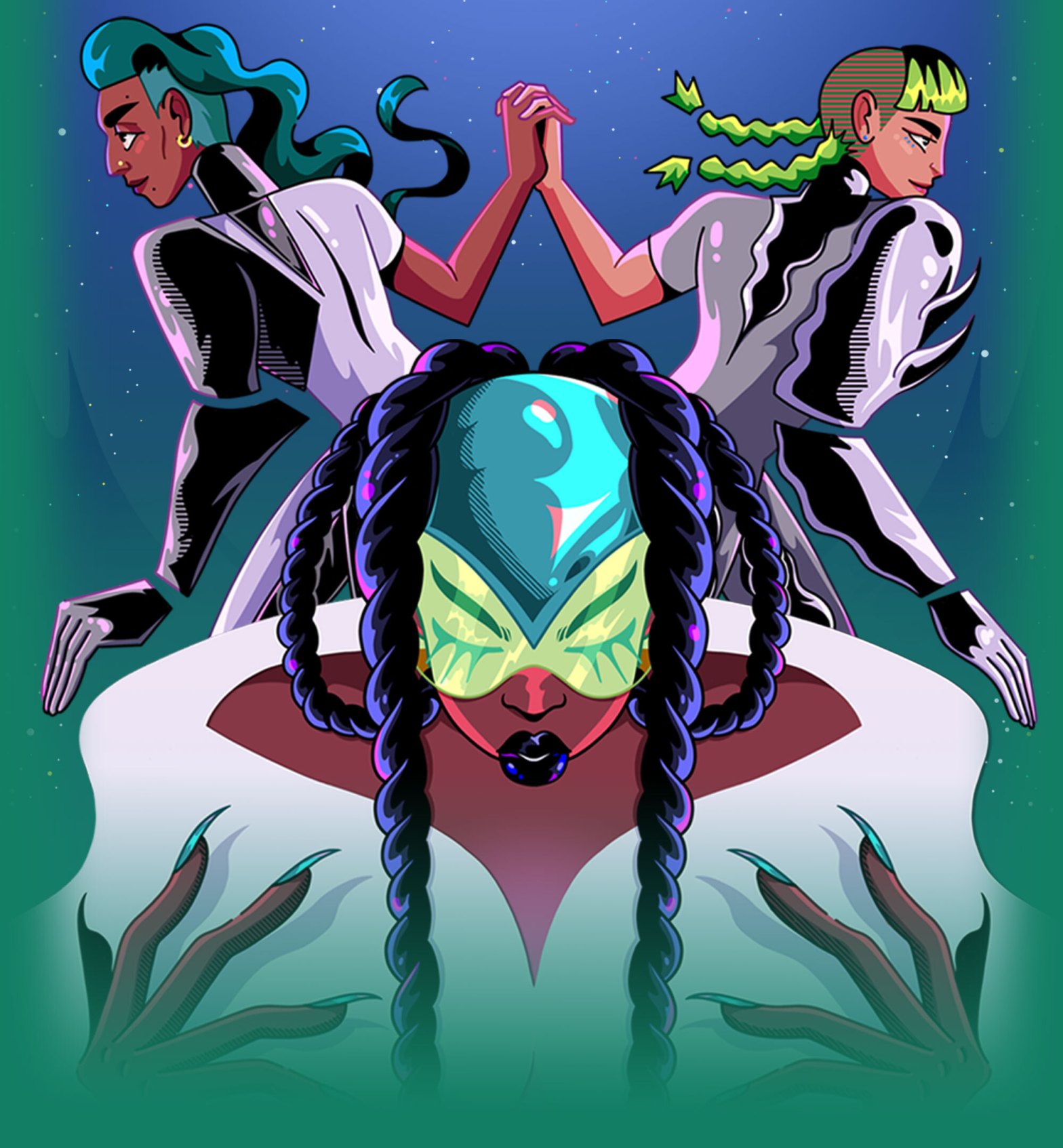
In 2025, I procrastinated so ingeniously that the project spawned from my analysis paralysis became one of the most popular I’ve ever produced. Having intended to provide an update to Blerdvision 2016 but with several days already elapsed in February, I realized that I would not have the time to write about why Hazel is a better character in South of Midnight than Frey in Forespoken, why Black male characters in video games are boring, or despite Horizon: Forbidden West featuring the gaming industry’s best—if not also proportionally accurate—depiction of the planet’s ethnic diversity, I’m unsure if Varl transcends the Magical Negro trope, and the like. Honestly, each of these ideas deserves their own entry, so imagine trying include all of that plus Franklin (GTA V), plus Sojourn (Overwatch 2), plus Bayek (Assassin’s Creed Origins), plus Nadine Ross (Uncharted 4 and Lost Legacy), plus Marina (Splatoon 2), plus Rodin (Bayonetta), plus, plus, plus, plus, plus plus….
The breadth of Black representation in video games now eclipses the finite, and it’s beautiful to see. Yet this relative prosperity hampers my ability to write knowledgeably about them. I mean, I still have not played Remember Me, let alone most of the games from the characters listed in the previous paragraph. Then came the idea to buy more time: highlighting Black indie game developers instead would be a significantly smaller endeavor in scope. I intended to highlight one for only the first seven days of Black History Month, then move on to another topic. To my surprise, relief, and some fatigue, by the time I finished my research, I had discovered enough Black developers to span fourteen days of Black History month! I thought about keeping it going, but I was just shy of twenty-one developers.
The following is a collection of Black game developers who either didn’t make the cut for Blerdvision: Black Game Devs 2025 and Blerdvision: Black Game Devs 2025 Part 2, or their projects have emerged since. As a reminder of constraint, I focus on games that have gone gold, secured a publisher, have shipped on multiple platforms, and I would play them. The last criterion is subjective. No shade, but a man can’t be talking about and planning to play hundreds of VNs on itch.io. (Besides, sites that review VNs of variable quality, such as Blerdy Otome, already exist.)
Developers sequenced according to the publication date of their (first) game.
Tale of Tales (2003-2024) / Song of Songs (2004-present)

This year’s Black Game Devs 2026 should begin with Auriea Harvey and Michaël Samyn and their multiple aliases—Entropy8Zuper!, Tale of Tales, and now Song of Songs—if only because they should have been the first developers I highlighted in 2025. After all, they have been developing games since 1999. According to Harvey’s Kickstarter promotion for Sunset, they had already published seven games. Only they know how many games they’ve developed in total, since.
According to interviews, it was not until games like Gone Home and Dear Esther did they think their vision for video games as an art medium was commercially viable. With the walking simulator genre revived from the days of Myst, they pushed forward with Sunset in 2015 as a challenge to see if they could transition from developing games for interactive art exhibitions to developing games for gamers to play for home entertainment.
I purchased Sunset in 2018 well before I knew about Harvey and Samyn if only to support the game’s gesture of displaying the silhouette of an afro’d woman as its key art. Little did I know, this was Harvey’s idea. The game’s protagonist, Angela Burnes, was inspired by Nina Simone, Angela Davis, Pam Grier, and Harvey’s lived experience as a Black woman US expatriate.
With Sunset done, they have pivoted toward their new studio, Song of Songs, which focuses on VR rendering. I would love to see them develop something for the Steam Frame.
Nyamakop

During his last year at the University of Witwatersrand in Johannesburg, South Africa, Cukia “Sugar” Kimani developed a prototype game that impressed classmate Ben Myers to such a degree, the latter requested that they work on it together. Former Naughty Dog lead character technical director Judd Simantov saw their project and convinced them that they had a commercial-worthy idea on their hands. After graduating, Kimani and Myers founded Nyamakop. For three years, they would build within Unity the game that would become Semblance.
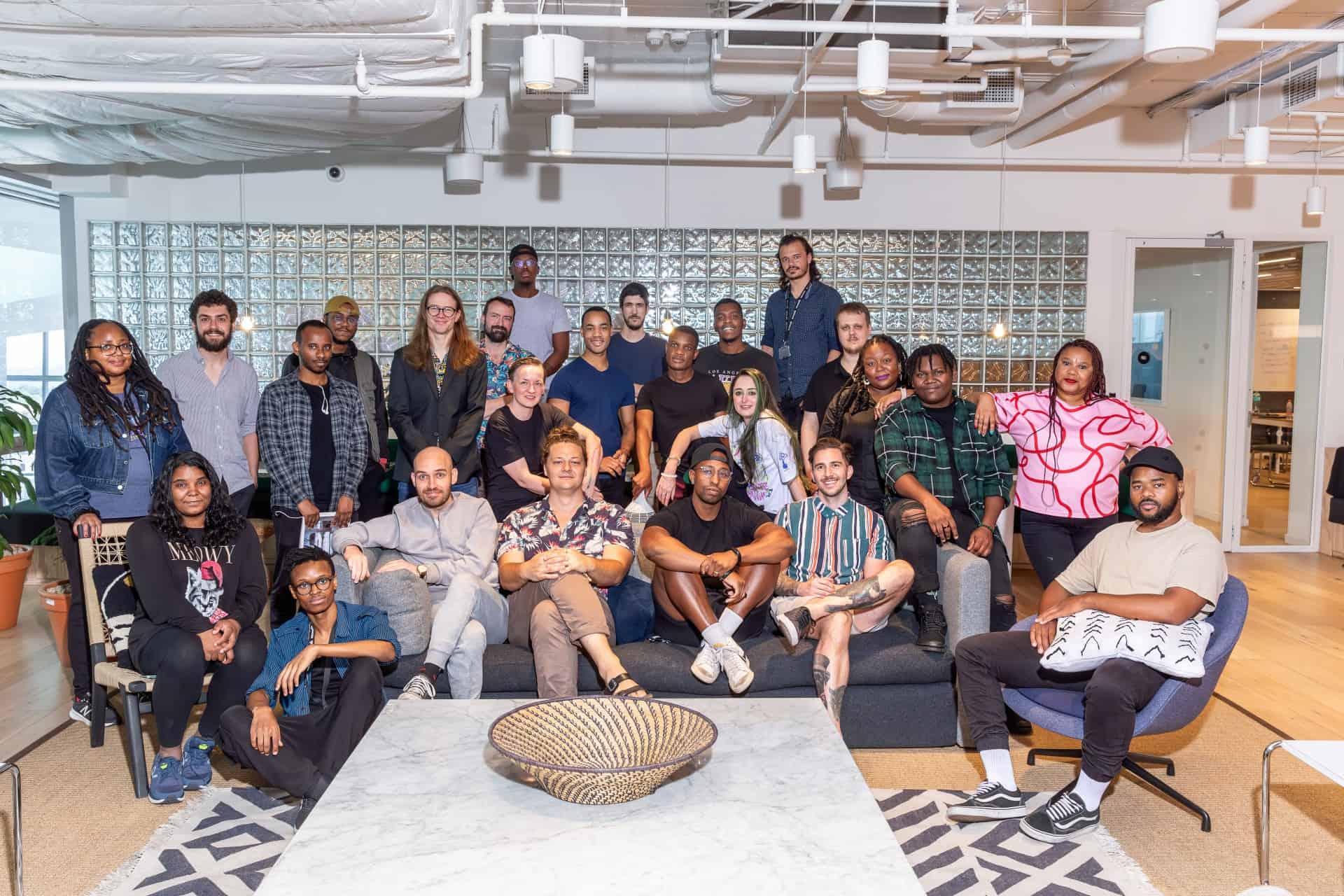
While Kimani is no longer with Nyamakop, his vision of a sub-Saharan games development company that highlights aspects of African cultures lives on. The studio now supports upwards of thirty employees from various African countries who had little to no prior experience in games development. Together, they learned the Unreal Engine, studied and rendered over seventy real-life African artifacts, and released Relooted, an Afrofuturistic game where players repossess stolen artifacts from European museums.
Jae Lee Productions

I would link to Jezrun Bowman’s developer page or press kit if such a thing existed. Real talk, I spent hours trying to find something, anything about the man. Foiled, I now conclude that Bowman scraped the internet of his own existence.
Perhaps he did so for good reason. Rather than Bruce Lee, Namco Bandai named their tribute character Marshall Law; for Capcom, there is Fei Long; Liu Kang in the Mortal Kombat franchise; the last dozen Dead or Alive fans remember Jann Lee. Yet these tribute characters are characters on their own, with different plotlines and signature moves–bicycle kicks for Liu Kang, somersault flips for Law.
In Bowman’s games, he straight up uses the likeness of the person who made the fighting style famous in martial arts movies. Bruce Lee is “Jeet Kune Do”; Kara Wai is “Lotus Palm.” Jim Kelly is “American Karate.” Jean-Claude Van Damme is “Kickboxing.” Donnie Yen is “Wing Chun.” Jackie Chan is “Drunken Fist.” Though I don’t agree, Bolo is “Wrestling,” but better him than that racist Terry Bollea guy. My man Jet Li is “Wu Shu.” This isn’t even close to a comprehensive list of actors/characters/fighting styles, but those I recognized in some gameplay clips, as the game will put kung fu fans’ movie knowledge to the test. “Kyokushin karate” is one that stomped me.
In other words, Bowman likely rolled “Jae Lee” and “Jae Bowman” as pseudonyms to avoid the ire of a few estates. I ain’t mad at it. The game is the game, and Bowman has produced several iterations of his Shaolin vs Wutang recipe for the likes of exA-Arcadia as well as PSN. He’s currently cooking Shaolin vs Wutang Legends, boasting a roster of forty actors/characters/fighting styles (yo, including Mike Tyson for “boxing” is crazy, lol!)
Super Retro Duck

Daisy Ein is another dev I knew about in 2025, but didn’t make the cut for editorial reasons. While conducting research for every developer, I could find a real-life image of almost everyone but Daisy, so I archived her, hoping that future attempts to find out more about her would yield success.
As so often happens with research, I was investigating a different developer entirely when I stumbled upon the Galaxy Fund, which exists to support BIPOC and queer artists during the early stages of their projects to use as they see fit. Daisy Ein is listed as a Lyra recipient, and she is the only awardee whose headshot is an illustration. Well, if that’s good enough for the Galaxy Fund, that’s good enough for me. (Also in this list are fellow Galaxy Fund recipients, Saunders and Wint.)
As artist and musician, Daisy felt it was time to get into games development, co-founding Super Retro Duck with her husband Zap Layden. Inspired by games like Neko Atsume and Animal Crossing, they created the cozy free-to-play game Tiny Bird Garden for iOS and Android. Because of its popularity—5,000 downloads and 300 reviews in two weeks, the couple ported it over to Steam. While I would normally pass on highlighting a game this small in scale (again, lol), the quality of Daisy Ein’s artwork parallels that of more ambitious titles, earning her a place among her peers.
MABManZ
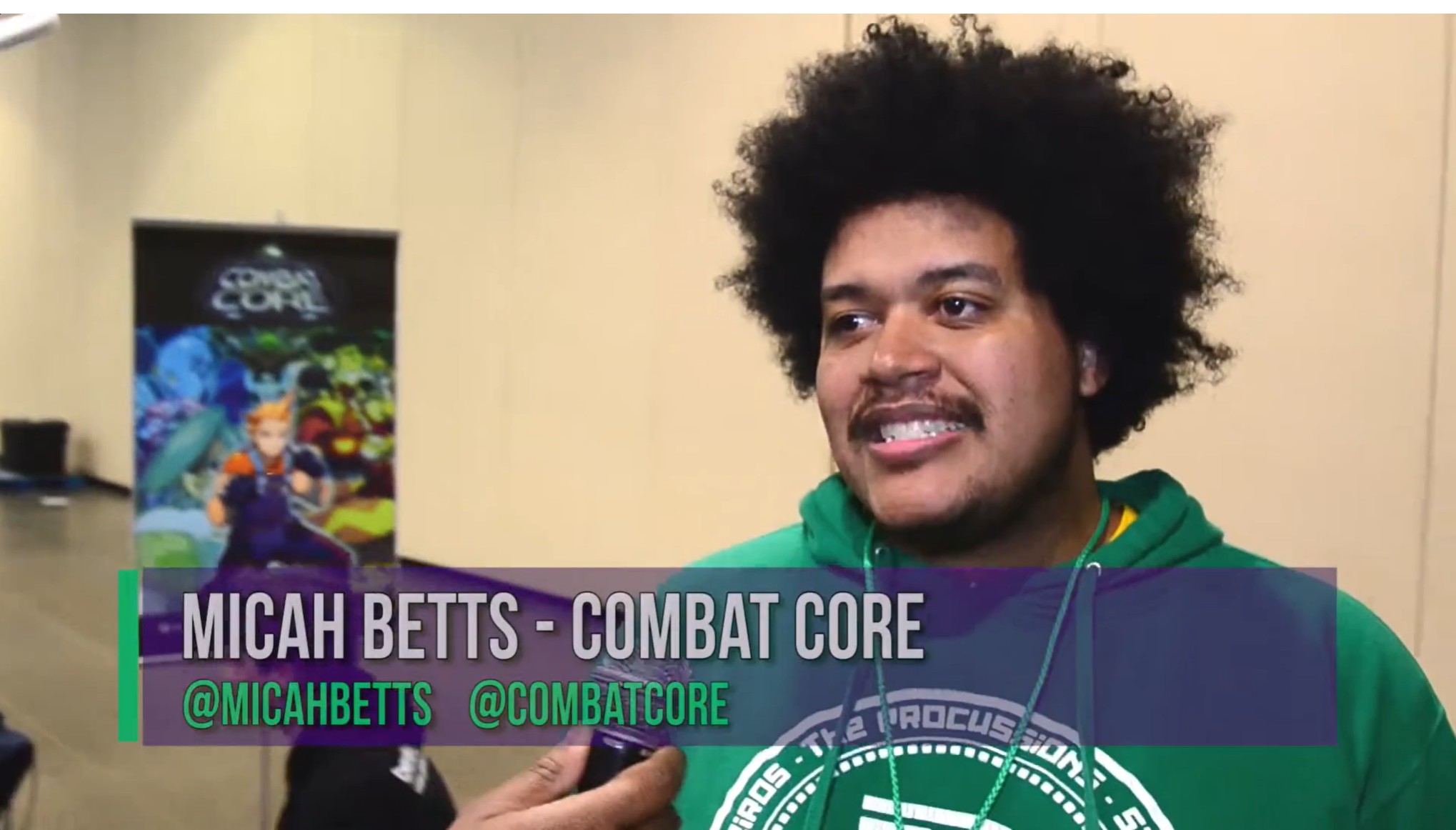
Micah Betts has been making smaller-scale fighting games since he was in middle school. As a fan of WWF No Mercy, Dragon Ball Z, and a variety of (forgotten) fighting games like Rival Schools, Fighting Vipers, or Bloody Roar, he wondered why there hadn’t been a new Power Stone game since 2000. Thus, in 2013, he began developing Combat Core as a solo dev.
Tribe Games

In 2018, Charles McGregor was featured in a collaboration with Rewire and PBS Twin Cites as part of “Living for the City,” a Rewire initiative made possible by the John S. and James L. Knight Foundation. Rather than reinvent the wheel or do a disservice to his exclusive highlight, I encourage everyone to watch the six-minute video on journey developing HyperDot.
Decoy Games
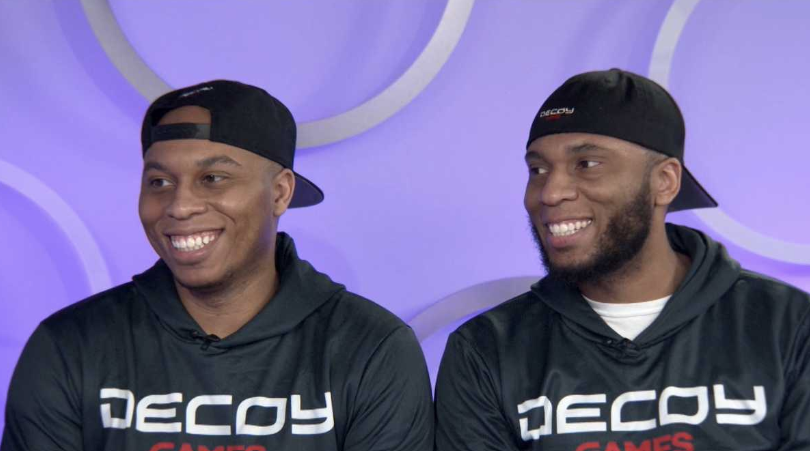
I also knew about Decoy Games In 2025, but chose to focus on other studios and games not only for symmetry as I could not find another six Black game devs with published work to stretch the project past fourteen days during BHM, but also because Swimsanity! is a multiplayer game that did not suit the criterion, “I would actually play it.”
Thus, I owe Decoy Games an apology.
Khalil Abdullah was pursuing a computer science degree at the University of Massachusetts, Amherst when developed what we would now recognize as a prototype game inspired by the Game and Watch Gallery mini-game, “Octopus.” Classmates enjoyed the game so much that he convinced his brother, Ahmed, who was one year behind him in college that together, they had an idea that could be expanded into a project worthy of pursuit.
While they were full time software sales developers to pay for basic necessities like housing and food, they became self-taught game developers via YouTube University. They moved their project from Flash to Unity, and hired an artist, Chris Venn. They released Swimsanity! after three years of development, and since, have expanded their team from three to over thirty as their studio, Decoy Games is currently working on an unannounced project which required the Abdullah brothers to quit their prior jobs and run Decoy Games full time.
Jellyfish Parade
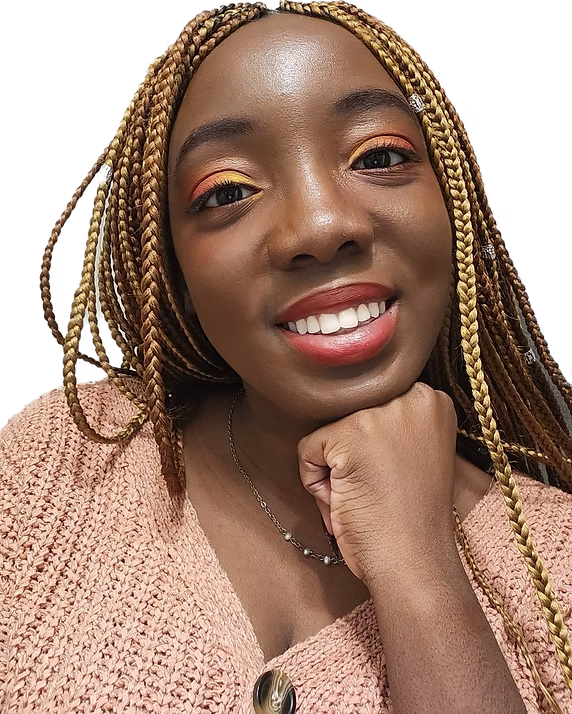
Armed with the pseudonyms “Chouette” and “Owl,” Jessinia Saunders participates in various fandoms from comics to manga to anime, while noting a dearth in representation. In response to the refrain, “if you want diversity, just go make your own,” she did exactly just that. She learned Ren’Py and produced several visual novels: War of Roses, Of Ice & Snow, Celestia, and PARIS. As a fellow recipient of the Vela Galaxy Fund (along with Ein above and Wint below), she founded Jellyfish Parade and produced the Otomoe, Heroine for Hire, co-developed LuGame: Lunchtime Games Club! and Kickstarted Belle Automata: Chronicle I.
Saunders is currently hard at work with additional Belle Automata chronicles, but life be lifing. Among the best of those events, she got married to her “Sunshine,” who is co-developing the future chronicles with her. Also, shout out to Blerdy Otomoe, who did not one, but TWO interviews with Saunders, revealing that despite her girly and buoyant disposition, she is a real one.
PlotTwist Studios
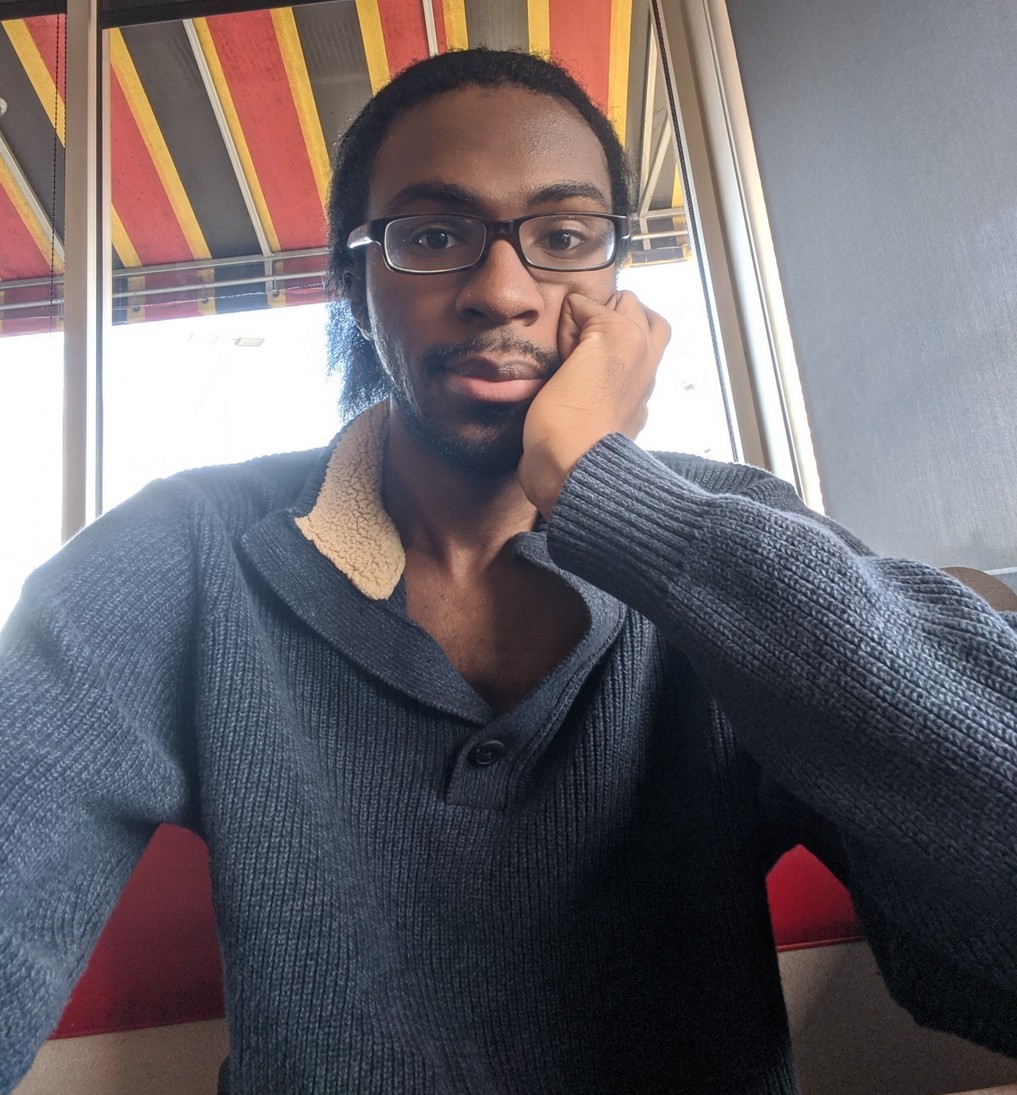
Johnathan Johnson is one of two Black devs I’m considering contacting directly. I’ll confess that the deadline of running out of Black History Month combined with the research fatigue that had set in may have contributed to my inability to find any interviews of Johnson or his team. If they exist, they are hard to find. The man maintains an epic Tumblr, spanning all the way back to 2013. I read a lot of it because there’s good material, but bruh, at the top of his Kickstarter for Women of Xal II postmortem (success!), at the top of the list should be marketing. I should be able run searches on YouTube with any combination of PlotTwist Studios + Johnathan Johnson + Women of Xal + interview and find hits. This advice goes for all developers, honestly, but especially for someone whose Tumblr is a veritible archive of his dream, his vision coming into fruition.
When Neil Jones (Aerial_Knight) describes in his interviews with The Guerrilla Collective or The MIX, or Black Voices in Gaming (shout out again to Justin Woodward) the crummy jobs he worked by day while developing Aerial_Knight’s Never Yield, well I’ve seen photos of Johnson in a Target shirt, and read about him finishing a shift at Wal-Mart in the automotive department. I’ve read about him peddling his music or bartering composing duties in exchange for artwork for Women of Xal. I mean, a lot of it is there, from his successful Kickstarter in 2014 where he mostly wanted to raise money for the team while he suffered to keep costs low, to the postmortem of the recent Kickstarter for the game’s sequel.
BUT BRUH! If someone (me) is trying to do a profile of your and your studio’s history, everyone’s not gonna (want to) take the time to read the Tumblr! Please, you gotta get with someone to consolidate your story into something palpable for the average gamer/reader. Because PHEW!
Starryware / The Order of the Frame / BentoWolf Animation

Artist Bruce Vernon wanted to expand his portfolio by showcasing his animation skills without committing to a longform project such as a movie. A fan of Ace Attorney, Vernon turned toward the visual novel format to demonstrate his skillset with Artisan.
Whim Independent Studios
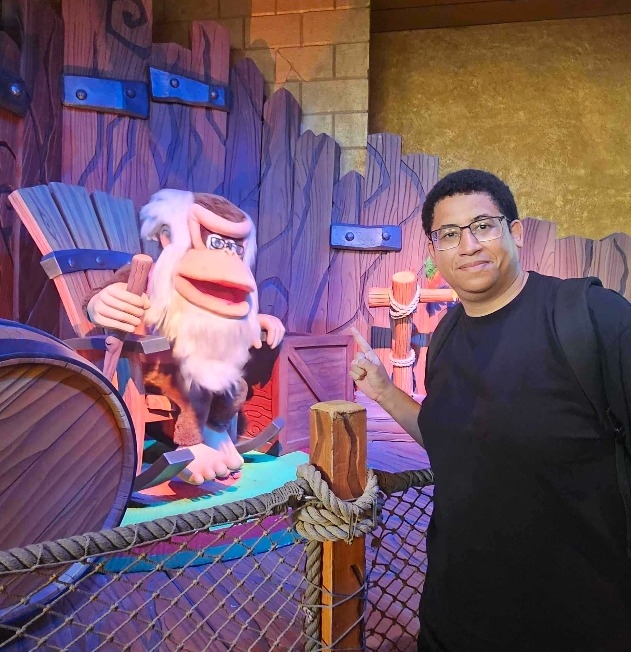
Grover Wimberly IV is the other Black game dev that I’d like to blow up, perjoratively. While I would entertain arguments that Johnathan Johnson’s Tumblr has a kooky charm to it, the writing style of Wimberly IV’s voluminous blog is reflective, yet deliberate. I detect a methodical cognizance within his recollections, including his multi-volume Selatra post-mortems. I would think that he would have marketing chops.
While Wimberly IV admits that Whim Independent Studios has yet to produce a commercially successful game, he talks about how much more valuable are the relationships he formed along the way. After all, he has added producer for Turok (2021) and System Shock 2 : 25th Anniversary Edition to his resume. Nice!
Although Selatria is his studio’s, raison d’être, I was more interested in Spellbearers, a game that was conceptualized, developed, and published before Selatria even though the latter enjoyed a nine-year head start. I suppose some of the lessons in games development his team had learned over the years facilitated Spellbearers‘s comparatively short development cycle. Smash TV-like with wizards (that’s more accessible than Wizard of Legend? Count me in!
Miscellanium Studios
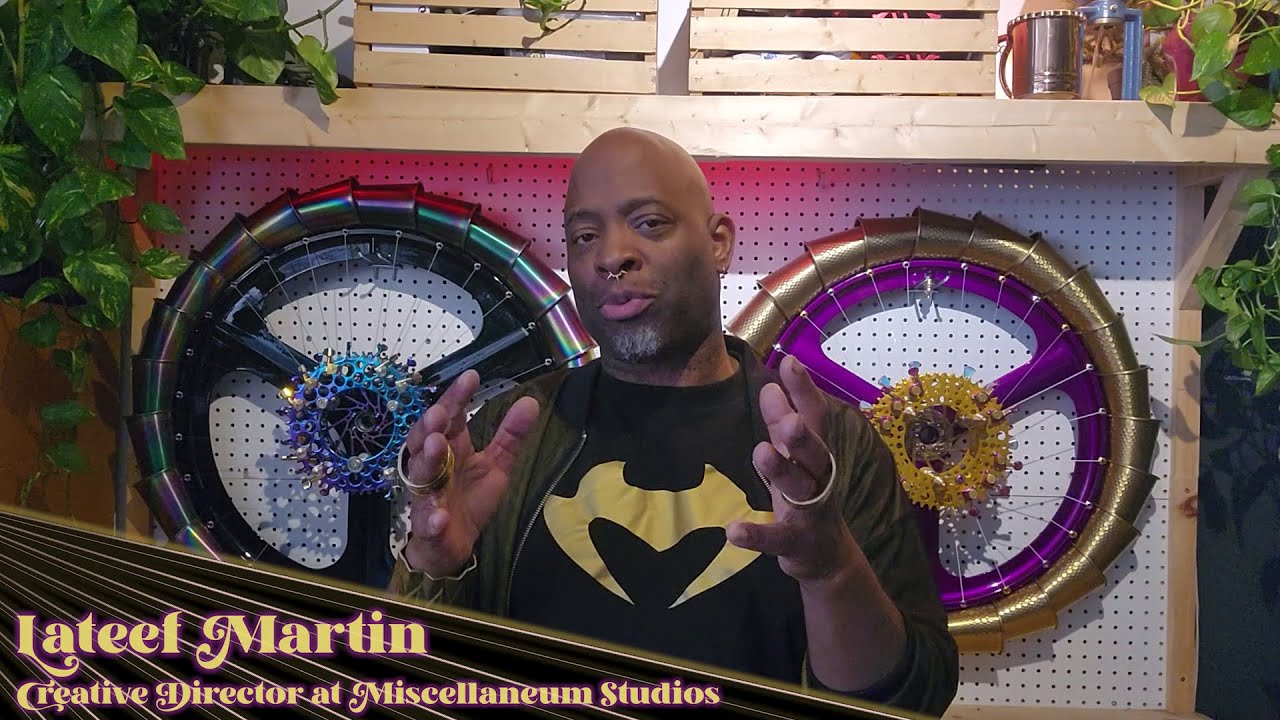
Beatboxing with his older brother during his youth in Montreal, Lateef Martin was destined to become a musician. A veritable musical savant, he invented a bike harp called a Lethelium. This instrument, or at least its sonority, is a central feature in Distraction Machine, a post-apocalyptic cyclepunk game requiring players to create music that pacifies zombies. Awarded a grant through the Canada Media Fund which supports Canadian art, Martin founded Miscellaneum Studios in order to create just that. In fact, Distraction Machine is only one component of a budding metaverse. Martin also illustrated and co-wrote Z’lsle, a comic book series set in the same post-apoc cyclepunk world.
Unfortunately, I’m uncertain if Miscellaneum Studios is still a thing due to my encounters with a trail of expired websites. I have also been unable to track down Z’Isle’s six issue. Perhaps Martin has moved on from games dev and is now fully focused on music again; if I wanted to purchase a Lethelium, I could for $3k. I was able to discern that Martin is allegedly working on a game based in the Z’Isle world called Stay Human, though that name is taken. We will see…
DIY Experiences

Video game connoisseur, wrestling superfan, and creative savant Shannon V. Williams Jr. taught himself video editing, photo editing, audio editing, and 3D modeling while in high school, and was disappointed when he enrolled in a college that didn’t have courses in games development. After spending a summer teaching himself gamedev basics, Williams Jr. landed jobs developing for some high-profile IPs for Marvel and Electronic Arts.
Despite enjoying success, Williams Jr. found himself severely impaired:
I was an extreme workaholic to the point of working on my wedding day. I would try to cling to every single dollar I made unless a purchase was essential. I never excepted help or money, very critical, sucked at delegating, and couldn’t reach my OWN standards. My wife advised me to seek help after I wouldn’t allow her to purchase me a Father’s Day gift, preferring to just save the money. This is what led me to my journey of learning about something known as OCPD as well as ADHD.
Diagnosed and medicated, Williams Jr. now channels his OCPD and ADHD into his company, DIY Experiences, where he is a solo developer and motivational coach for people who struggle with perfectionism, overachieving, and workaholicism. In fact, the game that he is currently working on, Retro Game Store Simulator epitomizes his neurospiciness. In the meantime, his Mark Out! The Wrestling Card Game manifests his wrestling fandom.
Credit to OrlandoVoyager for the Shannon V. Williams Jr. interview, typos unchanged.
Terrifying Jellyfish

Artist, designer, and now video game developer, TJ Huges feels that unlike other media like movies or television, video games have yet to reach their full potential as a medium. He feels that their strength lies in their ability to place a person into someone else’s shoes and having that person make decisions in those shoes but independent of that person. These interactions foster unparalleled empathetic experiences.
Discovering Unity while playing Paradise Paintball in a school computer lab, Hughes began experimenting with the engine. Like his peers, he discovered that he did not need a specialized degree or training in order to become a game dev; he just had to Just Do It. After publishing two games under the Terrifying Jellyfish label, the food scene in the San Francisco area would inspire his greatest project, Nour: Play with Your Food.
AkaBaka
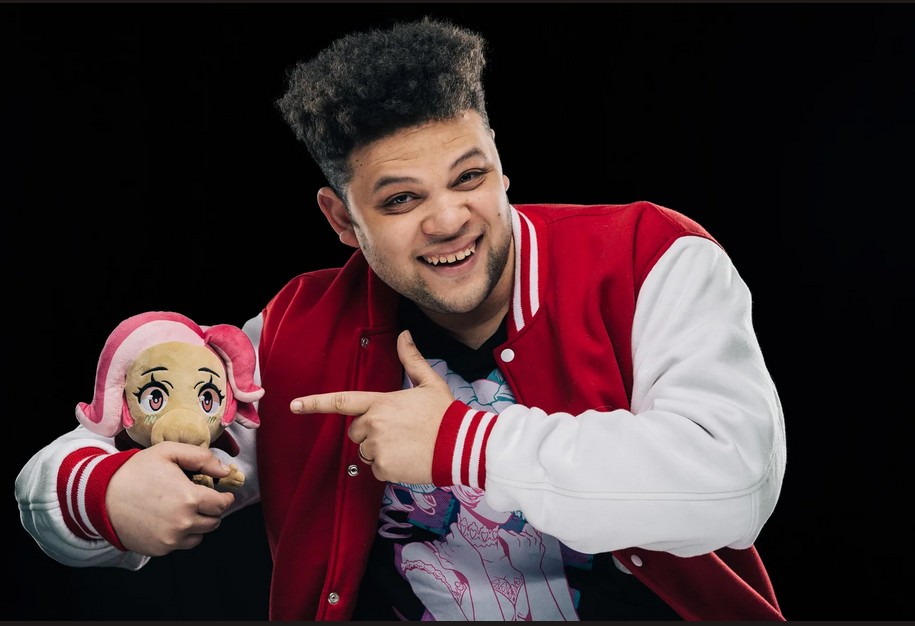
Joseph “AkaBaka” Hunter left a Ph.D program in bioengineering with a terminal master’s degree and began working on video games. His first major project, Chromatose, actually began as an in-house tabletop role-playing game. After dungeonmastering his module for five years, his friends completed the campaign, its ending jerking many a tear. Realizing how tragic it would be for the characters from his campaign would die in the memories of his friends alone, AkaBaka decided to translate his tabletop game into a video game.
One of the most important lessons AkaBaka has learned as a games developer that he wishes he knew before is to start with a smaller project first, then attempt something intricate. To describe Chromatose as cogently as I can muster, imagine “Persona 5 Royale: VN Edition.” Individual colors personify each character, with purple representing a character named Mercy, a veteran police captain. The murder of George Floyd devastated AkaBaka to such an extent that he stopped working on Chromatose for two straight days. Even after the funk subsided, he struggled to reconcile his artistry of designing a law enforcement character whose arc concerns enforcing a panopticon with what was happening in the real world.
With work on Chromatose further suspended after a month-long battle with shingles and his wife demanding that he take weekends off, AkaBaka focused his energies on the game jam that publisher Dread XP invited him to after he had pitched Chromatose to them earlier that year at Dreamhack Anaheim. “Lovecrafting” was the theme, and the result became the eldritch horror dating sim Sucker for Love: First Date. Sucker for Love is now a fully-blown franchise, with a sequel Sucker for Love: Date to Die For published in 2024 and Sucker for Love: Crush Landing in the works.
In the meantime, AkaBaka has a full team working on Chromatose (composer Yuzuki, Azura as lead writer, Elle as monster artist, Leandro Saccoletto with the combat system), so I hope to see it someday.
Spritewrench
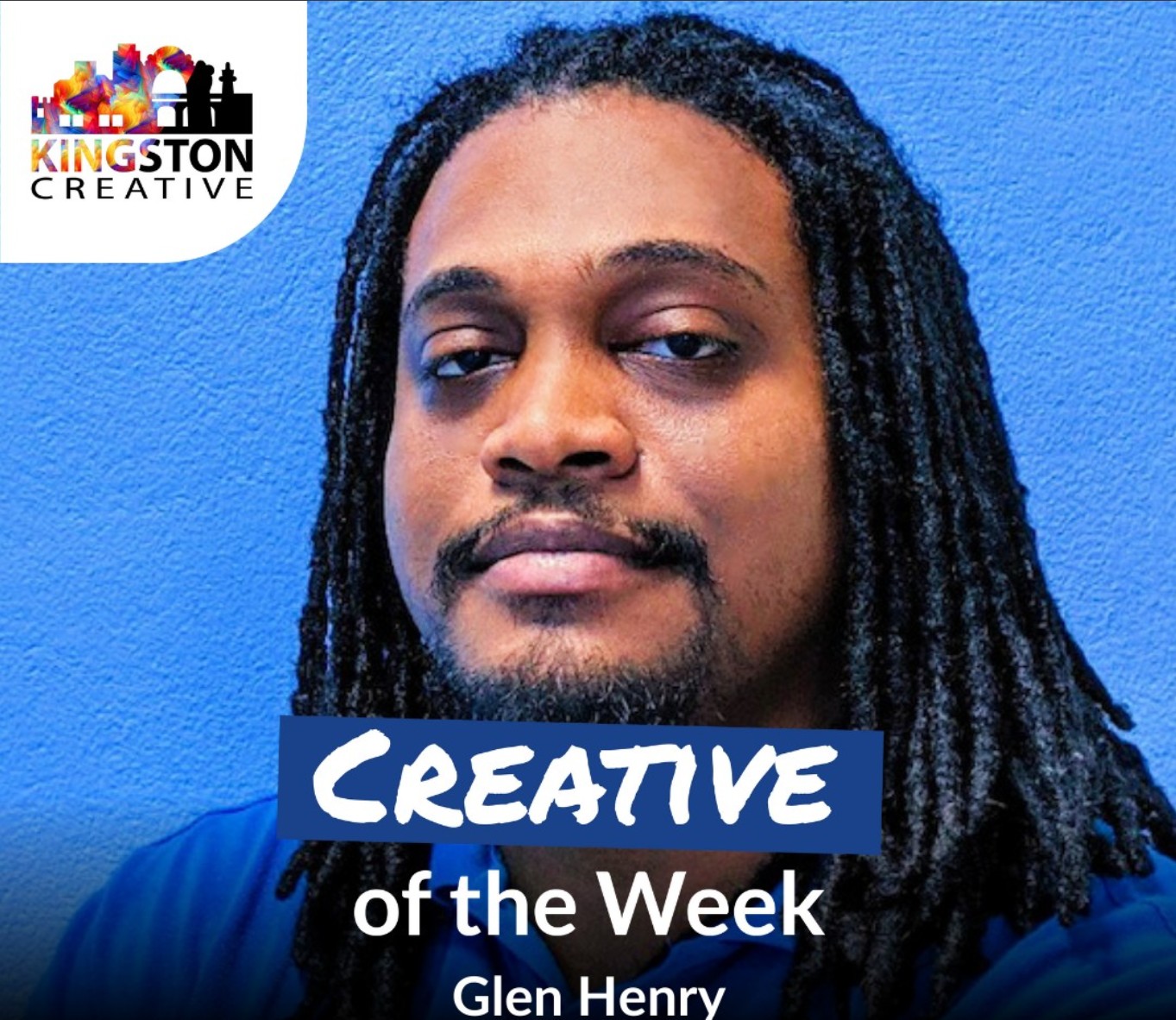
After watching Edmund McMillen, Tommy Refenes, Phil Fish, and Jonathan Blow’s testimonials as game developers in Indie Game: The Movie (2012), Glen Henry realized that he didn’t have to migrate to another country to develop video games; he could do so from the comfort of his own home. Based in Kingston, Jamacia, Henry is the sole member of his studio, Spritewrench, performing the design, coding, and artwork for all of his games, while enlisting local help from friends like Chase Bea for music. Indeed, Henry has published games, plural, the latest and most polished of which includes Sunken Stones. He is currently working on Duppy Detective Tashia.
à la mode games
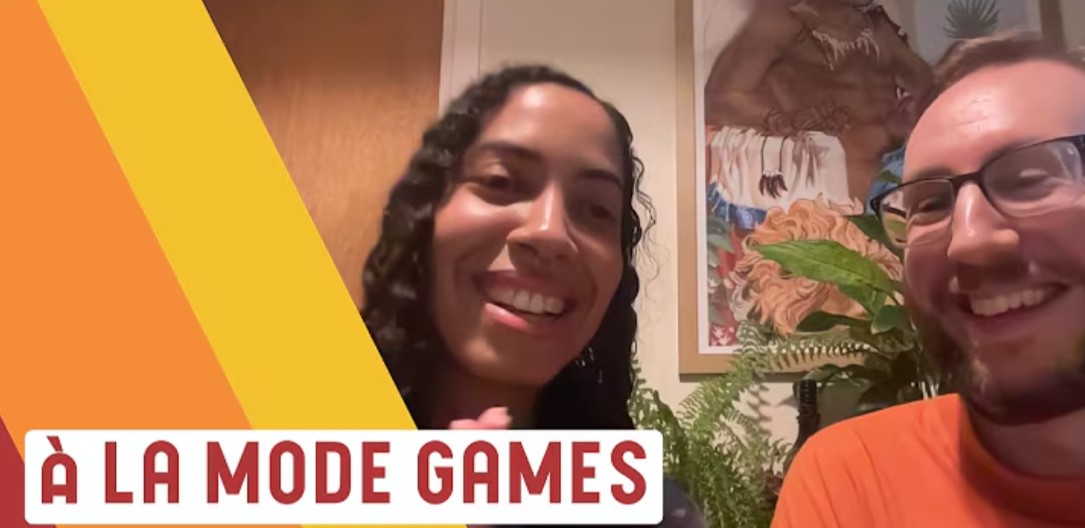
Trapped in his home during COVID, software developer Tom Bedford downloaded the Unreal Engine intending to tinker. His laptop fans whirred in obstreperous protest before he acquiesced and downloaded the more resource-conscious Unity Engine. In time, he produced a render so monstrously offensive that his partner, C. Bedford (also professionally known as “C.B.”; only Tom, in at least two interviews on YouTube, them “Christine,” the spelling derived from the [AI] closed captioning) directed him to focus on programming, and they would manage the art direction. C.B. themself is an accomplished artist who has performed contract work with character modeling and paintings for various indie developers.
With their creative powers combined, C.B and Tom form à la mode games, with Sorry We’re Closed as their debut title. It’s a story-based horror game, but not in the vein of Silent Hill or Resident Evil in the macabre, but perhaps the grotesque—violence that does not necessitate bloodshed.
CryoGX
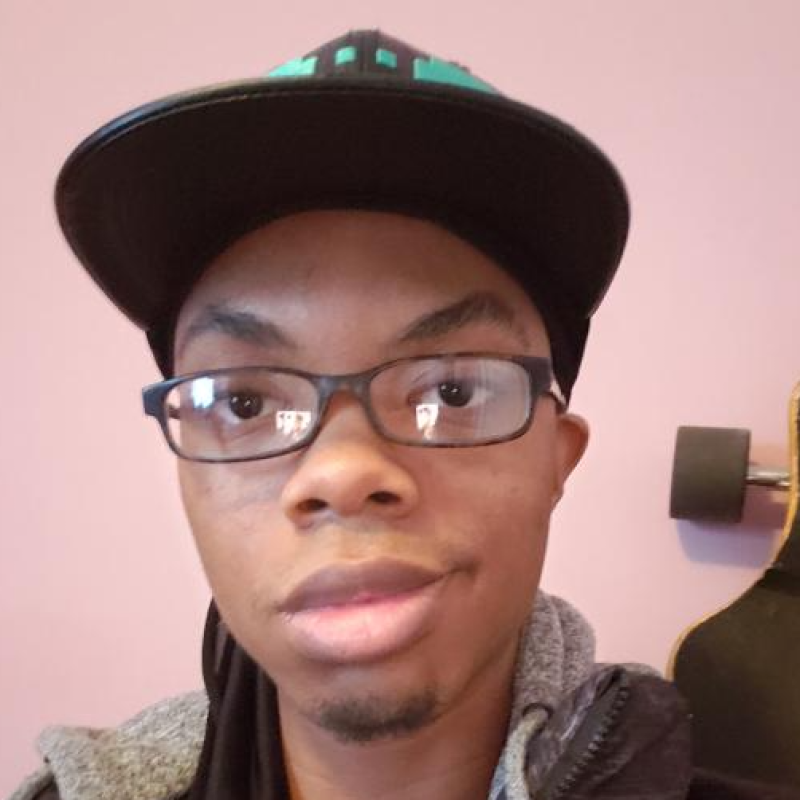
CryoGX is an illusive person. Besides the promo he did for Black Voices in Gaming in 2024, I cannot find any interviews or further information about his life or career. Bro doesn’t even have a developer website! I wouldn’t even know his legal name if not for my punctilious tendencies. I visited Soundcloud for possibly the first time in my life in search of clues via his soundtrack. There it was in plain sight: Larry Boyd.
I’ll respect the man’s privacy and dig no further. We’ll just have to settle for the promo.
Miami Avalon
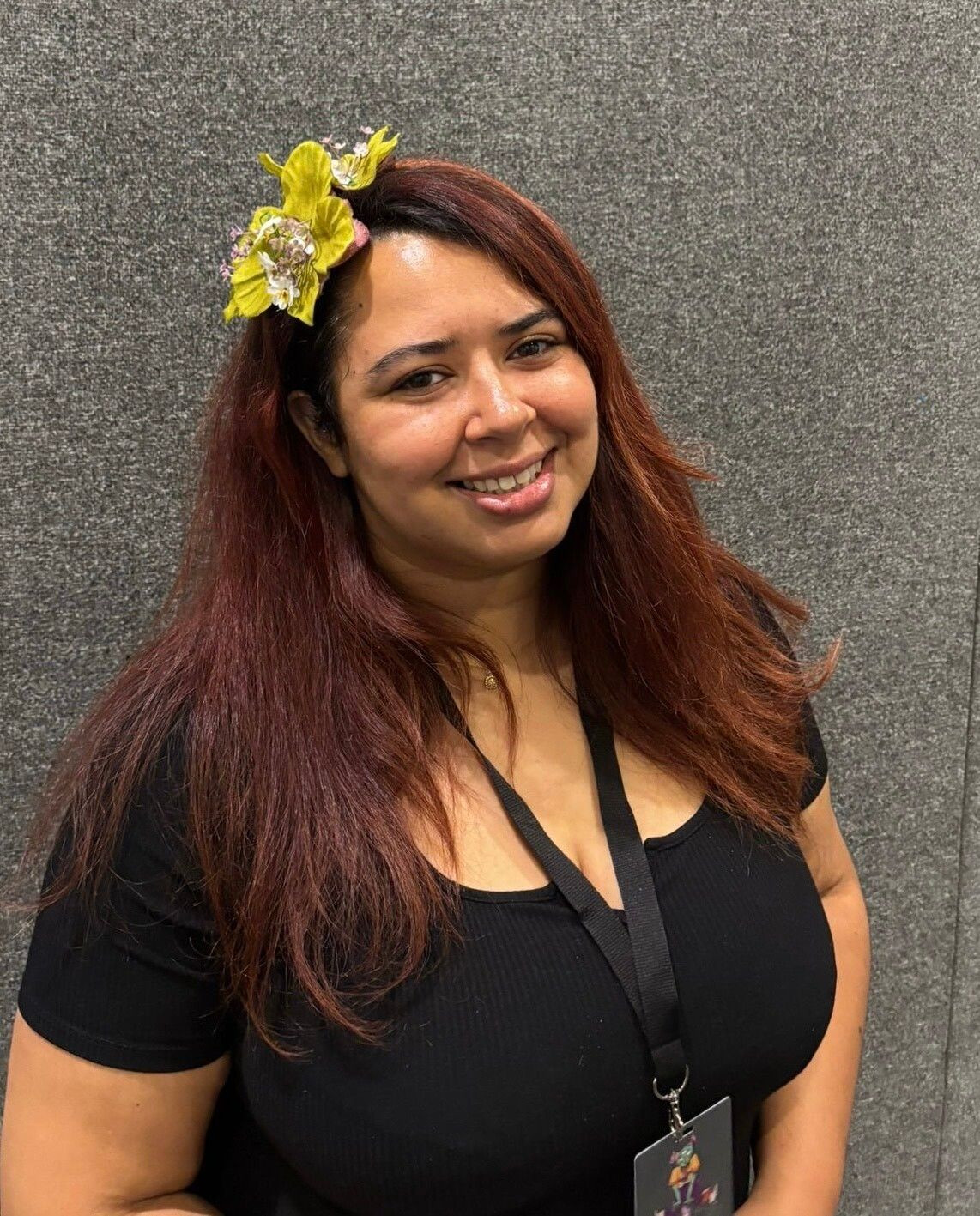
If Tale of Tales/Song of Songs is not the most experienced games dev team, then that title would almost certainly go to Nareice Jade Wint, who began her career at the absolute bottom: QA at various studios but most noteworthy, Sony Computer Entertainment of Europe. She would work her way up the ranks over the course of her career, eventually landing as associate producer at Lucid Games (Destruction AllStars 2021). Playground Games was her next stop, where she also served as associate producer (Forza Motorsport 2023, Fable [TBD]). In the meantime, she founded her own studio, Party Llama Games in 2015, and had been actively working on Pandora: Chains of Chaos.
Now, I try my best to avoid the topic of failures while highlighting Black game devs because I intend to be panegyric. However, Pandora is apparently stuck in development hell, with no updates since 2024. I am speculating here, but I have encountered an abundance of closed studios, dead links, and discontinued websites while conducting my research. I have said that Game Dev is hell—it’s doubly so when Black. Wint has not publicly spoken on Pandora’s failures, but I suspect “creative differences” with her initial team as the most politically correct way to put it. Perhaps there is an underlying legal reason why she changed her studio name to Miami Avalon. Whatever the case, I am also pleased to report that her second attempt at games development yielded Ascend: A Zodiac Puzzle Adventure, which was featured in Black Voices in Gaming. I hope Wint and her team of seven at Miami Avalon take the lessons learned and build upon their success.
Postmortem Notes
I tried something different this year. Rather than publish after I had accumulated all the devs, I tried to publish about a new dev every day during BHM. I think this model works better for me since I am doing this as a hobby.
After having done this two years in a row and seeing so many Black devs shutter their doors, abandon their dreams, or release an inferior product due to a lack of support, I’m cheering even harder for the Black devs still in the fight. Onward to next year!
 Blerd Beats