Recent
Amazon’s VP of Prime Gaming recently revealed that Amazon had been trying to break into the Steam demographic for FIFTEEN YEARS!!!
What?
Did anyone know this?
I do remember when Twitch was giving away games, but I don’t use Twitch to buy or play games; I use Twitch to watch professional gamers play FGC games like Tekken 8, Street Fighter 6, or DotA 2. Apparently Amazon Gaming acquired Twitch in a bid to sell games? Imagine getting paid six figures and publicly confessing that you were so bad at your job disrupting Steam that nobody noticed. Social media crucified Mr. Amazon Gaming. How could the company waste millions of dollars in futility? Well, as I will delve into here, Amazon isn’t the first, nor will be the last to try. Before this turns into a rant about how much Tim Sweeney sucks, let alone his Epic Games Store (EGS) campaign, I’d like to regale why we trust in GabeN since apparently so many billion-dollar companies can’t be arsed to do the market research.

I consider myself a member of the Glorious PC Gaming Master Race, a fedora tip of allegiance to Valve for its multi-decade commitment to the PC gaming experience, earned after practically single-handedly salvaging PC gaming from its deathbed. This was the 2000s when larger game developers and publishers felt that piracy cut into their profits rather than their very own poor business practices. Even Valve fell victim to a source code leak for Half-Life 2. The gaming industry reflected its incredulity toward publishing games on PC through buggy releases, suboptimal ports, or abstaining from the PC market altogether. As a response to all these goings-ons, Valve released Steam as an all-in-one interface: a storefront, patch depot, and social(media?) ecosystem in 2003.
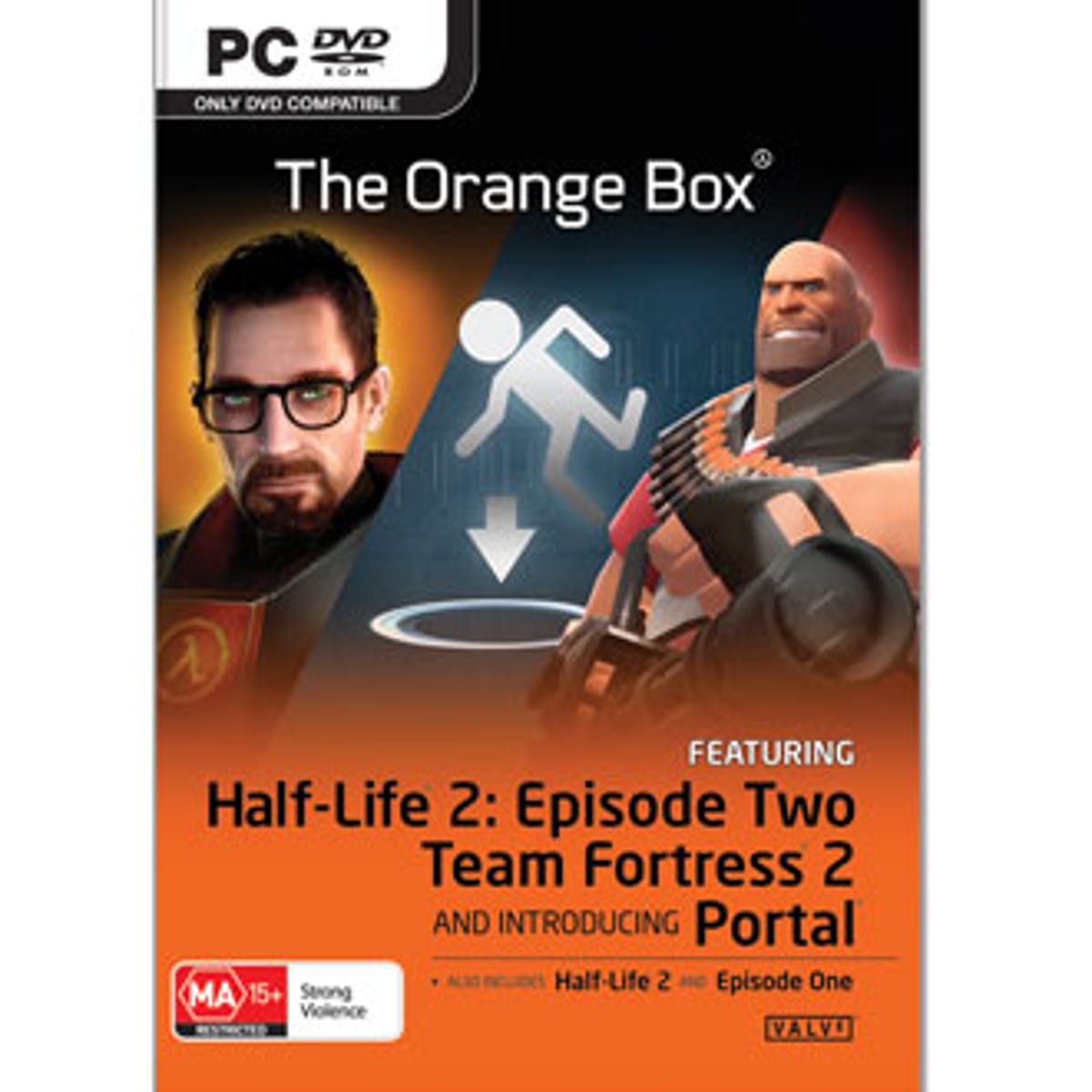
I remember my Steam introduction differently. Valve released the Orange Box in 2007 as the company’s proverbial expansion from games development announcement. In both an unprecedented and yet to be matched package, for a meagre $50, gamers could own* the previously-released Half-Life 2 and Half-Life 2: Episode One, and the previously unreleased Half-Life 2: Episode Two, Portal, and Team Fortress 2, the latter of which readers may recognize as F2P in 2011, but it was $30 as a stand-alone game at launch.
Checking my Steam account, I have been a user since 2008, but is seems to only counts Steam purchases. My registered games history shows both HL2 from 2005, Episode One from 2006, and The Orange Box in 2007. Looking at my purchase history, one can see how Valve earned my patronage, as well as upwards of 70% of all PC gamers. My purchase history reveals that my the first non-indie games I purchased at MSRP might have been Far Cry: New Dawn and Sekiro: Shadows Die Twice…in 2019. Steam is notorious for cheap games; while avoiding obvious shovelware, I have accumulated a library of over 1000 games during a span of 20 years while spending a fraction of the $15-$22k that my library is allegedly worth.
I acknowledge that Valve did not build its empire without controversy. Indie visibility on Steam is tenuous, but Valve has tried to alleviate the problem, from the Greenlight program to what is now a robust recommendations tab after much Steam Labs trial and error. Rami Ismail once raised concerns that there’s a race to the bottom with game pricing for visibility. Valve also recently told users that our accounts are not transferable when we die*.
Yet as a consumer, I could care less about Valve’s supposed monopoly. Enter Tim Sweeney’s “campaign” against Valve with litigation and the Epic Games Store. The moneyhatting upwards of $140M for timed exclusives only frustrated consumers who purchased multiplayer games like Borderlands 3 only to discover empty servers because many of us refused to purchase on EGS. Why? Because a lot of us don’t trust these other platforms. Microsoft announces increasing the monthly subscription cost to Game Pass. Humble Choice increased its prices, including killing the frugal grandfathered Classic plan for people like myself who have subscribed to Humble Bundle since its inception. Remember when Ubisoft, Bethesda, and EA took their games off Steam because they wanted to test their might at their own storefronts (and how they’re now all back and brought Activision-Blizzard with them)? Remember Games for Windows Live? Remember when Discord sold games? Remember when Twitch sold games? Remember the Google Stadia? Amazon Luna? I remember Google’s failed console but not Amazon’s failed project.
For the record, though, competitive storefronts DO exist, which Mr Amazon could have researched through the Augmented Steam API. GOG knows their niche: DRM-free solutions to classic games. I have also purchased from Fanatical and GreenManGaming over the years. itch.io also exists, but the quality of games published there as a whole can be varied.
I respect that some maintain qualms about the grey market, but I have used CDKeys for years because if I have to operate as a consumer in a capitalist hellscape, I buy from who will sell to me the cheapest.
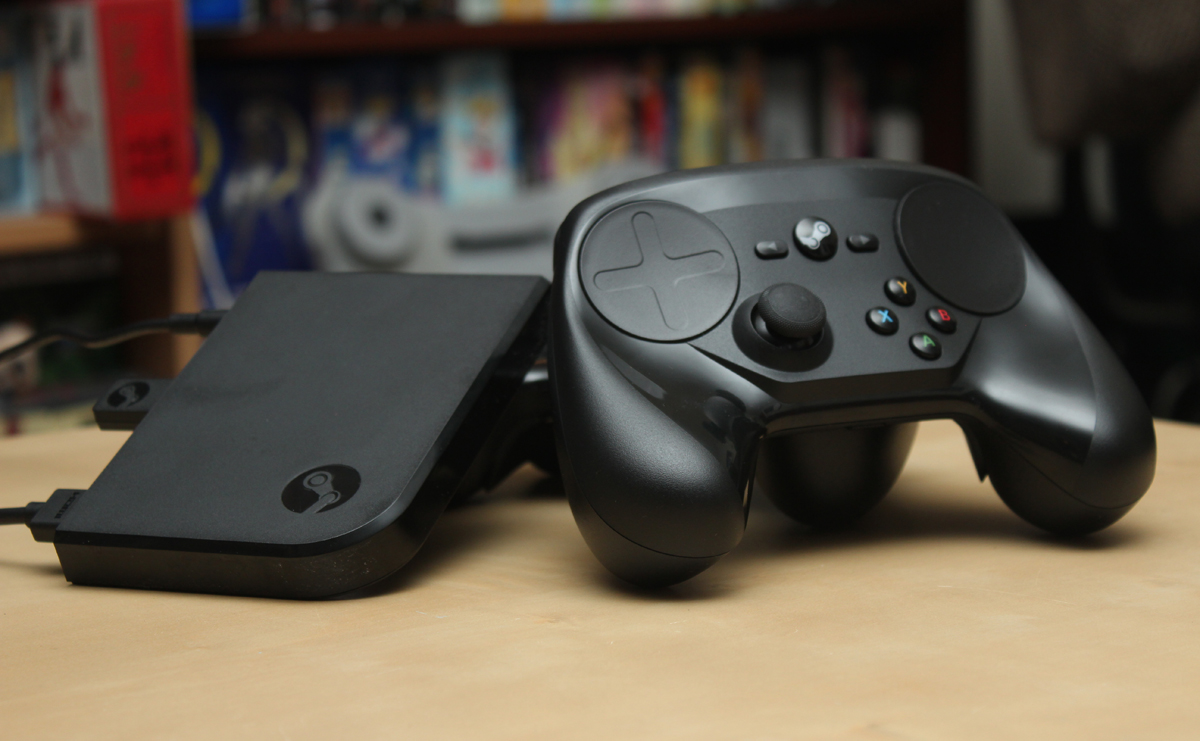
And that leads me to Valve’s well-known secret to success. Unlike literally every gaming publisher I’ve mentioned, Valve is still, to this day, “indie.” Even though Gabe Newell is a billionaire who owns a fleet of yachts, Valve remains privately-owned, so the company can operate without risk of enshittification. Or put another way, Valve is free to work on things that they want to do without answering to shareholders. Everyone, literally EVERYONE hates that we don’t have Half-Life 2: Episode Three, or the Half-Line 3 equivalent—yet—but Valve doesn’t have to work on it to turn profit, largely because Steam is unconquerable. While it is a myth that Valve no longer makes games—Artifact, Dota Underlords, Half-Life: Alyx, and Deadlock disprove this accusation—they are free to innovate and experiment in technology. We saw this with the OG Steam Machines, Steam Link, and Steam Controller. We see this now with the Valve Index and the Steam Deck. And we will see it in 2026 with the recently-announced lineup of hardware, the Steam Machine (2), and the Steam Frame.
And I am ESTATIC about the announcement! Because when I say yet, I keep in mind that traditionally, gaming hardware launches with at least one “killer app” that encourages sales. While the Deck was exceptional because it was more of a “play your existing library anywhere” hardware launch, Half-Life: Alyx was delayed for a few years for polish purposes, but it was supposed to accompany the Index. In other words, I finally believe that Half-Life 3 is more than a meme. It is imminent. And even those who have no intention of purchasing any new Valve hardware should be excited.
*In response to what happens to our Steam accounts when we die, and Valve saying our accounts can’t be passed along to anyone else, IF PURCHASING ISN’T OWNING, STEALING ISN’T PIRACY*
 Blerd Beats