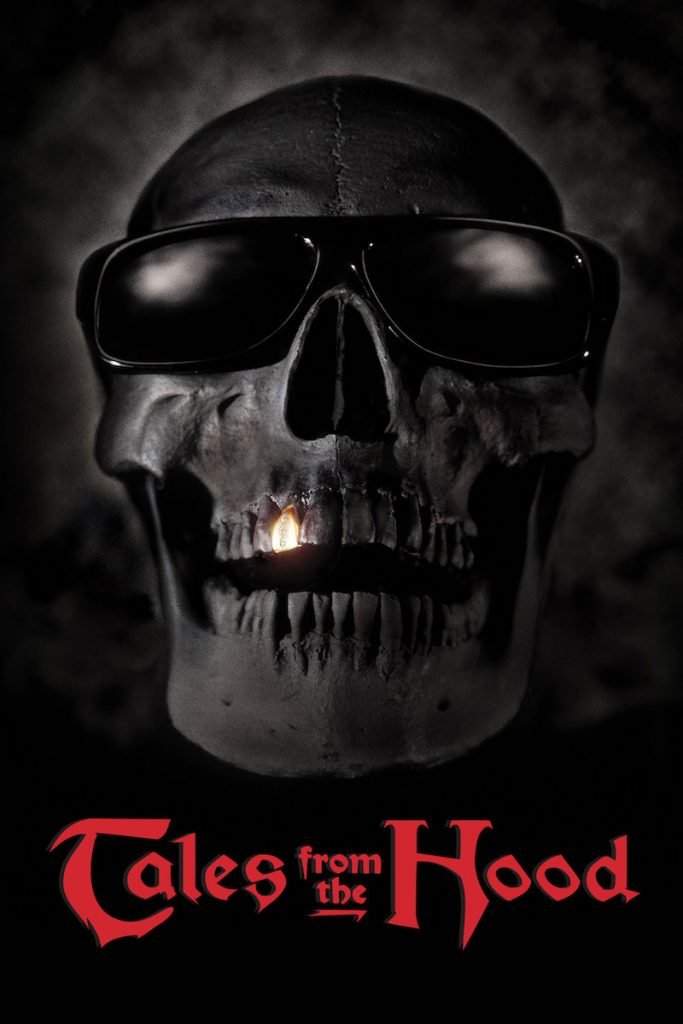
My wife put me onto Mandella Eskia/BlackZeusX’s So Imagine series, which reminds me of Honest Trailers but unapologetically Black. When she alerted me that Eskia had posted a video for Rusty Cundieff’s Tales from the Hood, I remembered we had watched that film earlier in the year during our family Black Pantheon viewings. Yet after watching his interpretation of the film, I wondered if I could also do it justice but without subconsciously borrowing his ideas (plagiarism) because it’s hard out here for folks trying to monetize their creativity, especially in the age of LLMs.
Because he’s a Black creator, I’ll proudly share Eskia’s work here, and hope anyone who reads this gives him a “like/comment/subscribe” as they like to say on YouTube.
Eskia’s So Imagine aside, I would like to highlight a few items in Tales from the Hood.
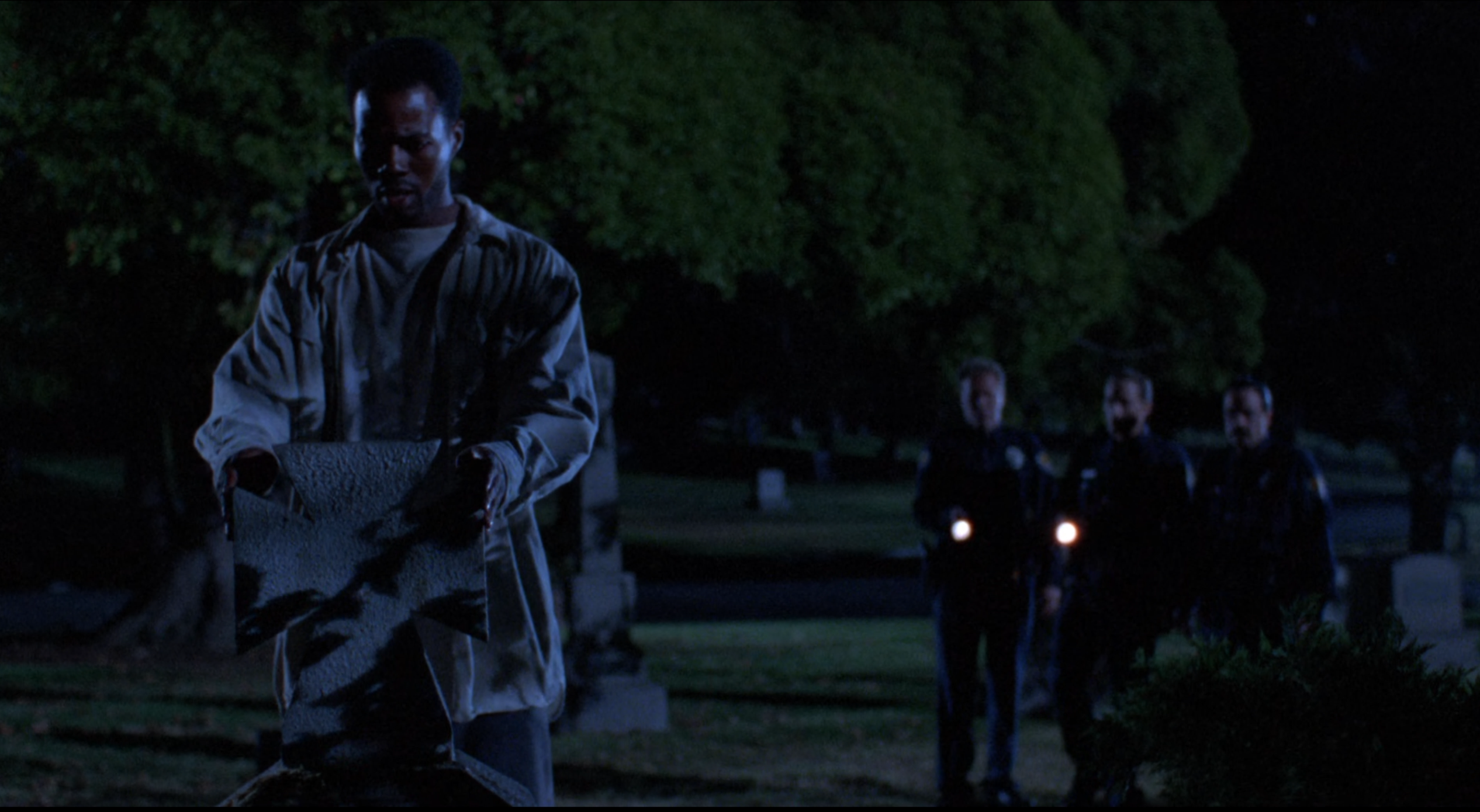 “Rogue Cop Revelation” remains relevant. I’m not the “ACAB” type, as I recognize how important it is to have police who live in the communities they serve, as opposed to police who live in MAGAland patrolling Black communities, which has historically resulted in all kinds of negative interactions. I’m more of a #DEFUNDTHEPOLICE and #ABOLISHICE type. “Rogue Cop Revolution” highlights how Officer Smith could have been a so-called “one of the good ones” by saving councilman Moorehouse, or at the very least, breaking the code of silence. Instead, Smith retires a coward only for the manifestation of his guilt in the form of Morehouse to haunt him into mania.
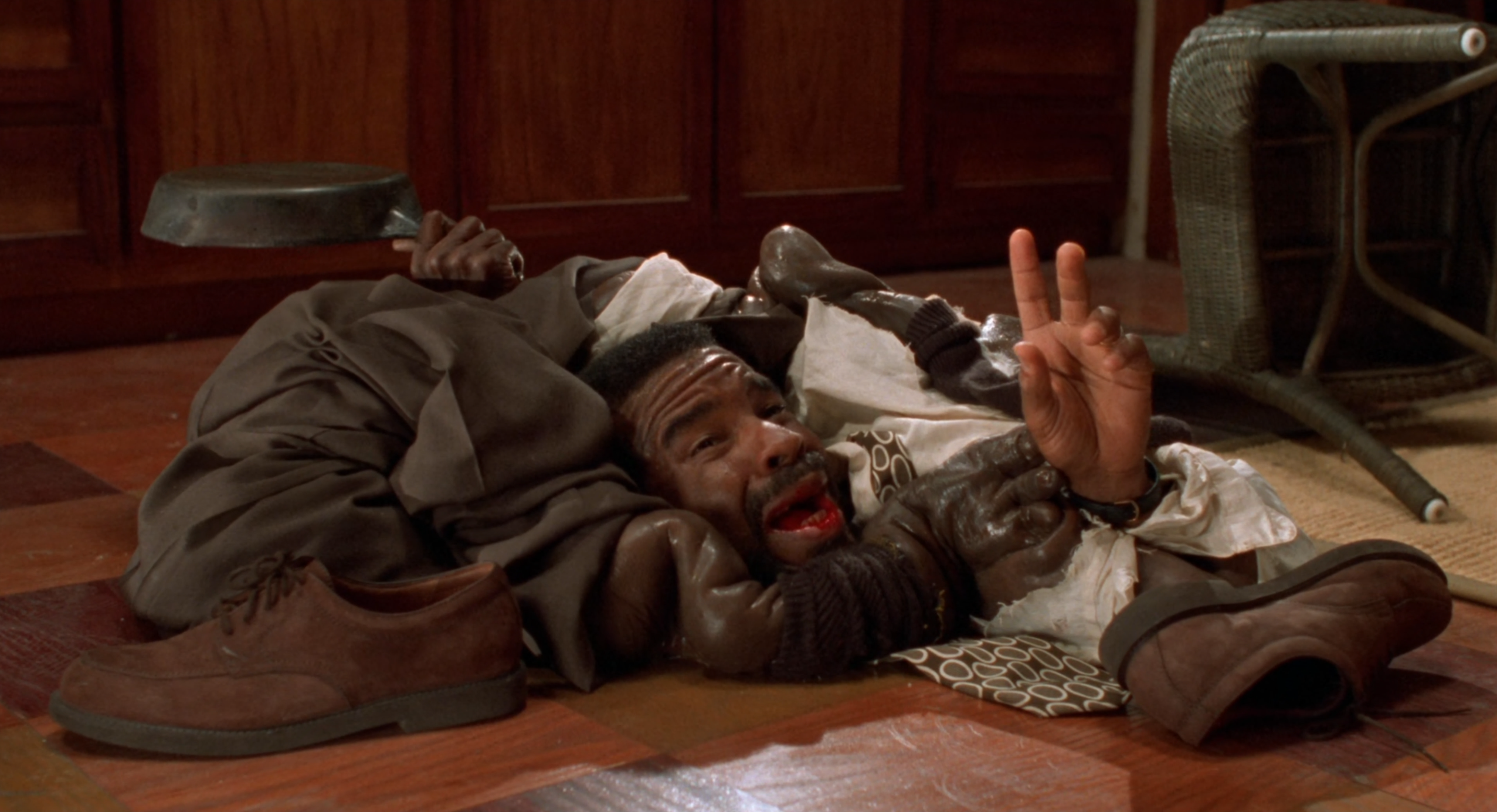 “Boys Do Get Bruised” is Death Note before Death Note. David Alan Grier Carl still taking mad trash after his son crushes him into a puddle is hilarious. Sissy pushing up on Garvey feels weird in light of the reveal that Carl is beating the snot out of everyone in the house. I’m not sure what to make of it. Is she supposed to be a damsel in distress? Nevertheless, I am glad that Tales from the Hood highlights the horrors of domestic violence while providing closure.
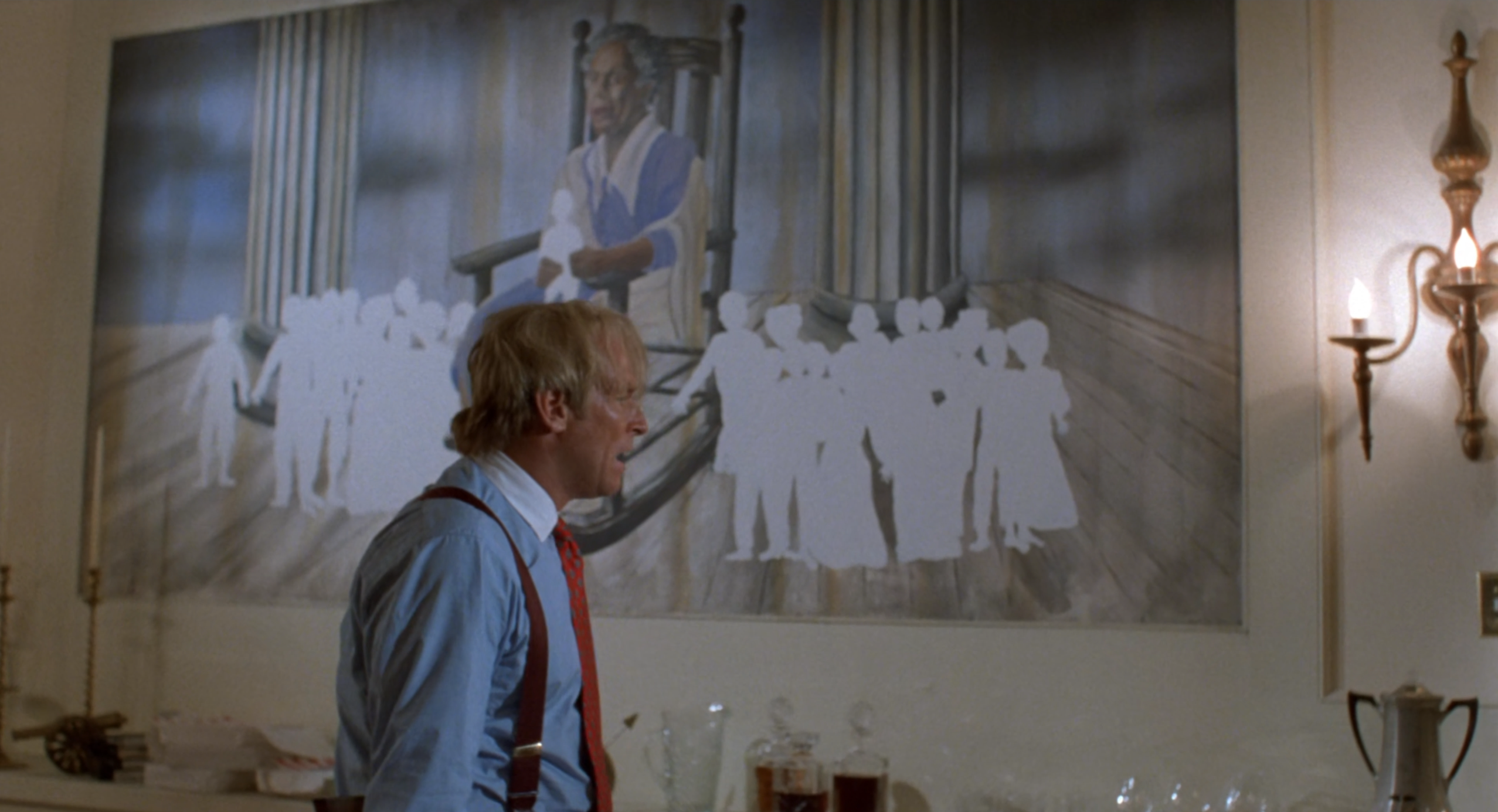
“KKK Comeuppance” is an example of why a certain someone who I love dearly watches horror movies: historically, the genre features majority-white casts where most of them die. This sounds terrible on the surface, but I appreciate their perspective: consuming horror movies is a form of justice. The “Black person dies first” trope—a derivative of the token minority—is so notorious in film and television that one wonders if it’s satire when it still happens in modern media. The number of Black characters who survive traditional horror stories in film and television is infintesmal (And I would still argue Blexmedia that several in their list don’t count; were they paying attention to US? Blade, Predator 2, and AvP are not horror movies). Despite Jordan Peele’s best efforts, much remains to be desired to redeem this genre from its white supremacist roots.
White actresses cast in horror as the lead or final girl trope perpetuates Cult of True Womanhood ideology. Coupled with patriarchal expectations that white women are to be protected, horror movies compel entire audiences to hope and cheer for their survival. Those familiar with Birth of a Nation (1915) may even recall its messaging that a white woman should sooner commit suicide than defile her virtue with Black man, signifying the racist worldview of miscegenation as horror.
“KKK Comeuppance” requires audience awareness of these loaded subtexts so that its revenge theme hits with maximum impact. The token negro, Rhodie Willis, dies first as a warning to the John James and Tim Scott wannabes. I’ve merely mentioned the practice of Hoodoo in Eve’s Bayou; it pleases me to watch a movie from 1995 that American Evangelicals would rebuke then and now on account of its deployment of a faith practice that Black slaves created through severing Christianity from white supremacy, to destroy a white supremacist.
Tales from the Hood shifts its tone in such a substantial way for “Hard-Core Convert” that I will dedicate a separate piece for it in the very near future.
 Blerd Beats