While most Witcher fans mourn Henry Cavill’s departure from the show on account of its deviations from Andrezj Sapkowski’s source material, I really don’t care that much. In my Witcher (S1) review, I omitted my grievance against Henry Cavill’s casting as Geralt as he won me over with his excellent video game mimicry. Still, Geralt isn’t supposed to be smolderingly handsome with Superman’s physique. The books describe Geralt as lanky, sinewy, and grotesquely pale with eyes like a cat’s. Nevertheless, fans generally did not complain about Cavill resembling Handsome Squidward as they did with the show’s writing.
(I think Witcher 2’s interpretation of Geralt is the most “book accurate.”)
That ship has sailed. Liam Hemsworth will now play as nü-Geralt. Because identifying the difference between him and his brother Chris Hemsworth is like distinguishing Cold Stone’s vanilla ice cream from Baskin-Robbins’s, I will try my best not to mistake the former for Thor. Hemsworth was smaller than Cavill, so despite also being comely, he might be a step toward “book accuracy.” I say “was”, because he has spent the past calendar year bulking up as an attempt at some level of visual continuity. Witcher S4 trailer is out, but before getting into that and what I would like to see, I realize that I never properly wrote about Witcher S2 and S3.
I may as well finally put some thoughts to page in anticipation of S4.
Season 1
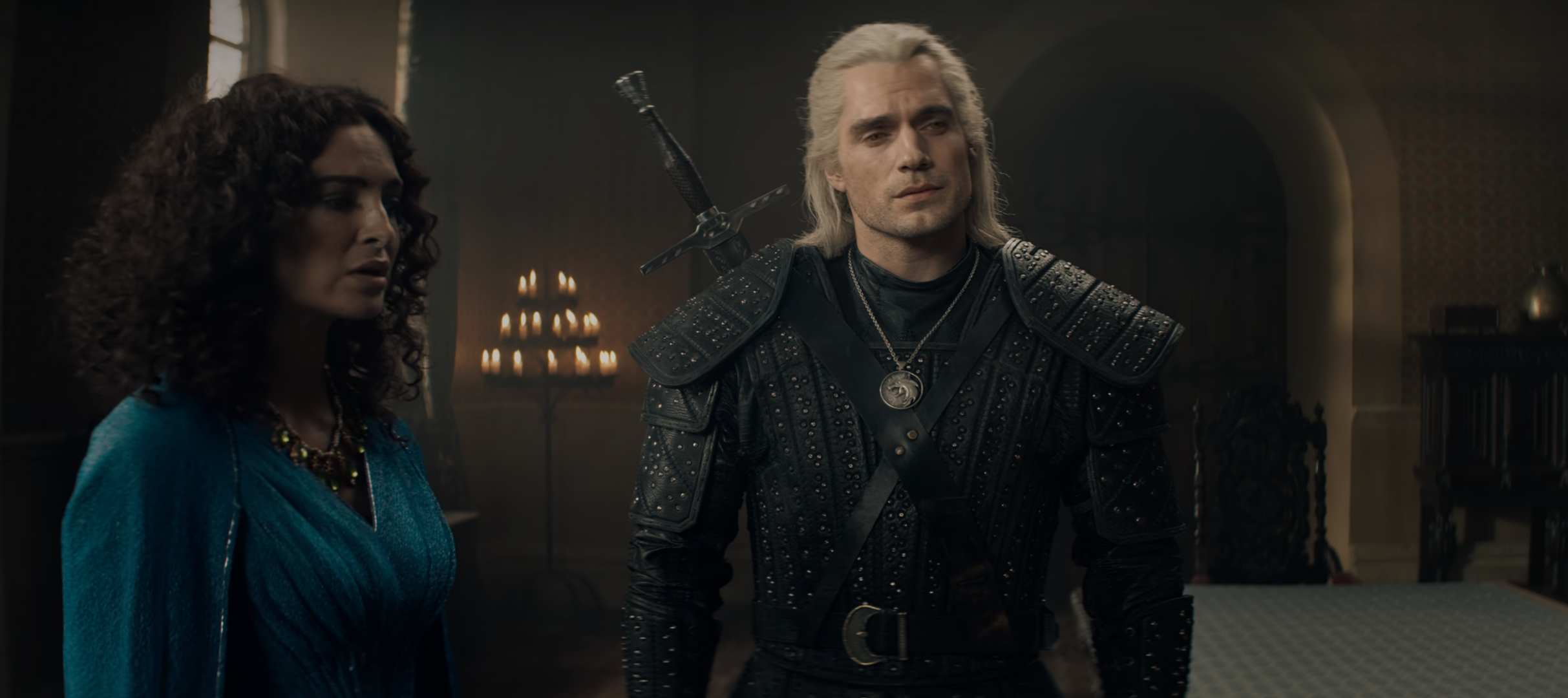
Again, I already wrote a review for S1. But after speed-watching S1-S3 instead of viewing with the years-long gaps between each release, “is better upon subsequent viewings” strikes me as a consistent pattern. Memorably vexing about S1 is its non-linear arrangement of Sapkowski’s timeline. But if viewers have either already watched S1and know what to expect, or come equipped with a TV show timeline, then I think S1 is an excellent adaptation.
Adaptation is the key word. I never expected a 1:1 reconstruction of Sapkowski’s work; I am flexible. In fact, I welcome the show taking liberties such as detailing Yennefer’s origin story. After all, consistent throughout all of my writings on the Witcher franchise, I insist that Geralt is actually not the main character, but rather a conduit for events surrounding the war between the Northern Kingdoms and the Nilfgaardian Empire. Thus, irrefutable as well as perceived deviations from the source material, do not bother me as long as those deviations are consistent with the spirit of Sapkowski’s work.
Of course, fans have their own interpretations and expectations. They universally praise Cavill’s choreography in “The End’s Beginning,” (AKA “The Lesser Evil,”) where Geralt earns his Butcher of Blaviken moniker. “Betrayer Moon,” (AKA “The Witcher”) is my personal pick. I don’t think I can ever get enough of the tale of Geralt versus the striga.
There are two amendments I wish I could make to S1. First, the books tell us that Triss Merigold of Maribor and Yennifer of Vengerberg first met at Aretuza; readers have to imagine what that might have been like. The show takes us through Yennifer’s time at Aretuza, but she never encounters Triss. Missed opportunity. (In S2, the first time Triss and Yen meet at Aretuza after the Battle of Sodden, they behave as if well-acquainted.)
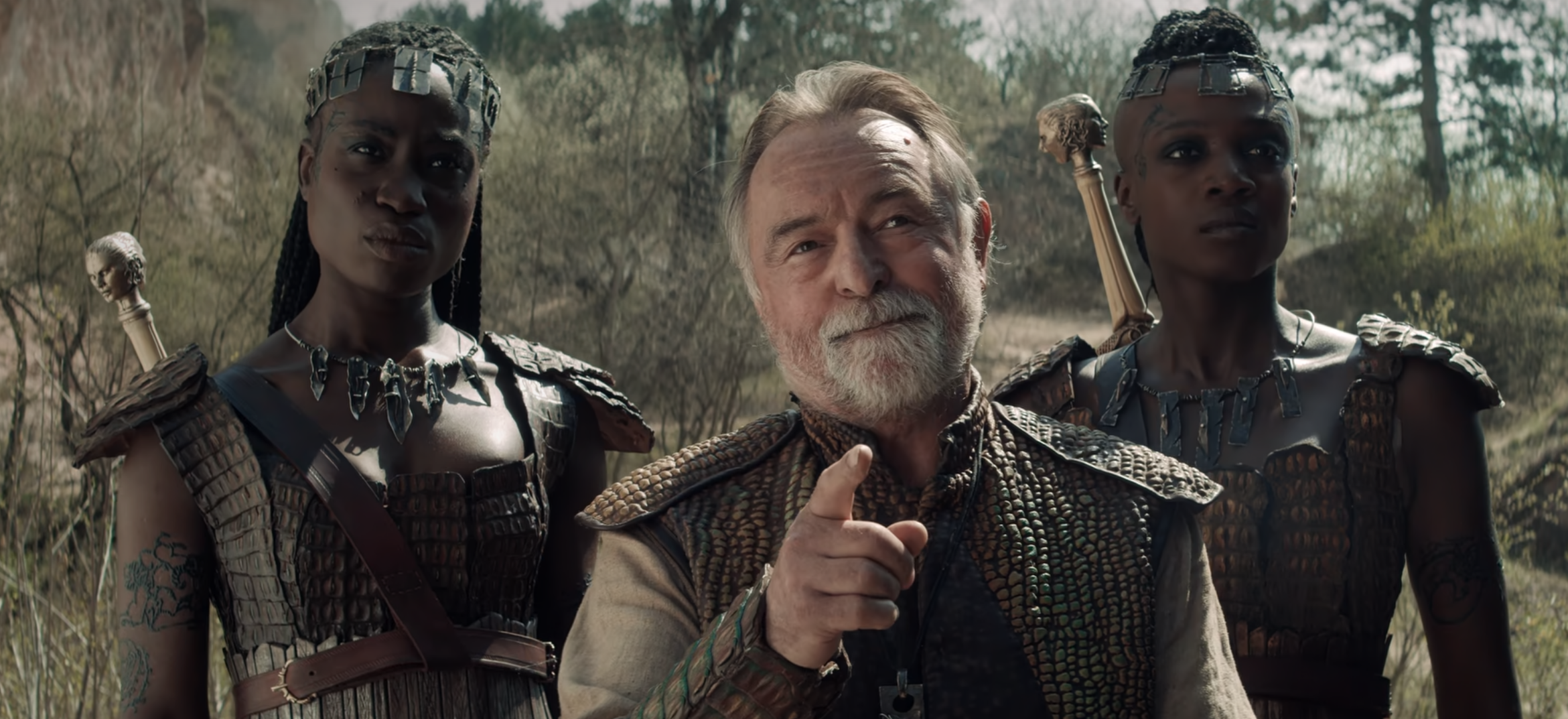
Second, in “Rare Species,” the show introduces its audience to Zerrikanian warriors. They are women. The books describe them as exotic. By episode six, we have already seen Black and brown citizens of the Continent, as well as elves. Consequently, the depiction of the Zerrikanian women as Black in the show’s version of “The Bounds of Reason” short story underwhelms; their reveal should have been exceptional rather than routine. Most importantly, of all the women that Geralt boinks in the books that he does not boink in the show, I was only disappointed that he didn’t boink the Zerrikanian women. Showrunner Lauren Schmidt Hissrich probably wanted Geralt and Yennefer to be monogamous after they meet.
Season 2
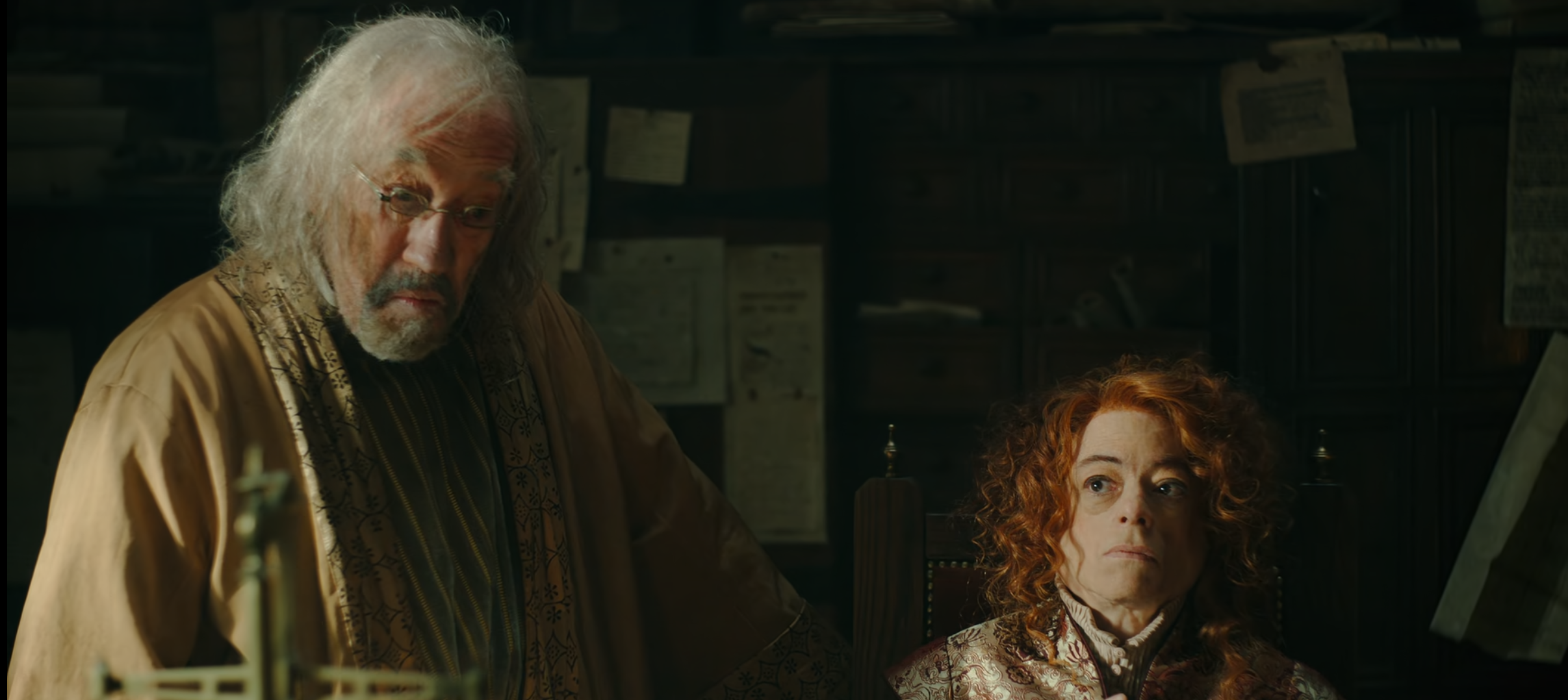
Until I determined to compose this primer, I had watched S2 only once, detesting Hissrich’s original plot concerning Yennefer loss and restoration of her magic. After a second viewing, I confess: it is not as abominable as I remember. The refrain, “is better upon subsequent viewings,” applies. I now realize that the problem with S2 is primarily a matter of medium, that Hissrich’s writing room tried to ameliorate.
Ciri is the central character in the Witcher books with Geralt and Yennefer competing as the deuteragonist and tritagonist, respectively. Because they are indeed books, characters can disappear for chapters at a time without negatively impacting the narrative’s momentum. Yennefer vanishes the most in the books, while she’s absent in two whole video games. Video game fans especially have no business whatsoever complaining about the show’s direction because even CD Projekt Red deviated from source material, substituting Triss for Yennefer and Alvin for Ciri in The Witcher (2007).
All of that said, in a television show, main characters who go missing for entire episodes are not main characters, but recurring characters. Witcher S1 encompasses a selection of stories from The Last Wish and Sword of Destiny while S2 proceeds through Blood of Elves. Within that ~400 page novel, Yennefer shows up twice: to save Jaskier (Dandelion) from Rience, and to transport Ciri from the Temple of Melitele to Aretuza, an adventure that actually takes place in the next book, Time of Contempt. That’s it. Consequently for the show, Hissrich’s team wrote an original plot to justify giving Yennefer as much screen time as Geralt and Ciri.
Again, I’m okay with deviations from the source material, but I also hope for good ones. For example, Ciri accompanying Geralt to meet Nivellen in the show’s adaptation of “A Grain of Truth” and exhibiting her interactions with Vereena the Bruxa is PEAK television! The Deathless Mother / Voleth Meir storyline though, is not. Where I differ from most is that I do not blame Hissrich for this contrived diversion, but Sapkowski himself!
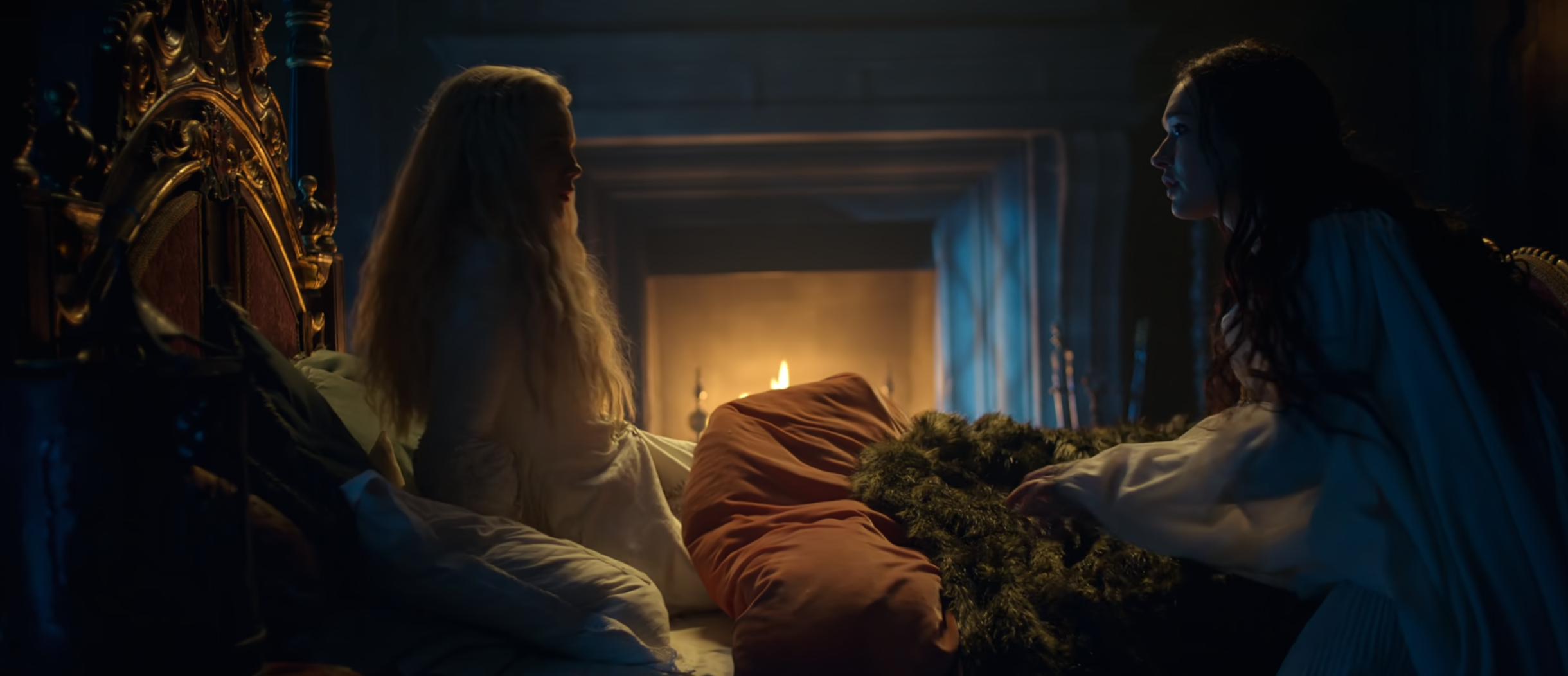
As I have written before, Sapkowski’s unpopular opinion about video games is known, and I believe he envied the popularity of 2011’s The Witcher 2: Assassins of Kings, and tries to capitalize on CD Projekt RED’s success by publishing Season of Storms in 2013 (Polish;2018 English translation). That’s a fourteen-year gap since publishing Lady of the Lake (1999 Polish; 2017 English). Within Season of Storms, Sapkowski introduces Goetia, or demon-summoning, into his fictional world, justifying their existence as another repercussion of the Conjunction of the Spheres, like monsters. Hissrich faithfully integrates a demon—Voleth Mier—into her show. I am fine with Voleth Meir existing as the season’s big bad, but reducing the mighty Yennefer into an errand girl for the demon is an indefensible character assassination. Yen is so badass in the books, that the only time she gets knocked down is when she does it herself to accelerate Geralt locating the novel’s chief antagonist. She would have sooner unalived herself after losing her chaos than enthrall herself. At least Hissrish is consistently nonsensical—Voleth Mier’s involvement with Franchesca Findabair and Fringilla Vigo is an unforced error.
Because Blood of Elves ends without a true climax (the scuffle with the Scoia’tael that takes place in S3 does not count), Hissrich would have needed to write a grand finale for Witcher S2 anyway, so Voleth Mier is what we got. Well, at least the resolution to the Voleth Mier plotline is as quick and tidy as it is inconsequential…for now.
As for other S2 high and lowlights, Ciri at Kher Mohen actually wasn’t bad if one overlooks Eskel’s death. Yeah, I know that’s a lot to ask for fans of the video games in particular, or those who have a strong affinity for canon such as myself. My only reservation is that his death complicates continuity in the Witcher franchise, for those like myself who can imagine the video games picking up where the show will eventually leave off. Then again, if it had happened to Lambert, I might have felt the same.
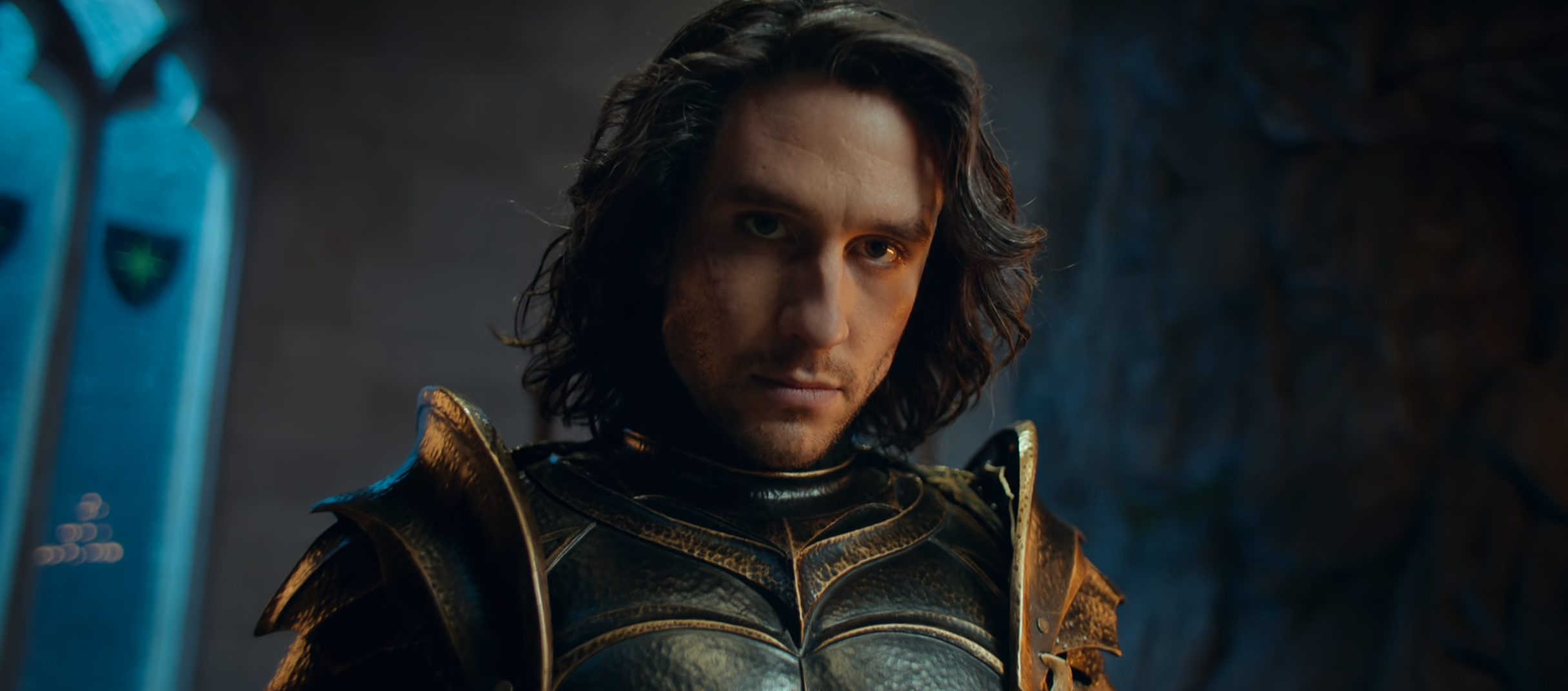
Revealing Emhyr as Duny is the major plot twist in the books, because he was supposed to have died on the boat with Pavetta. So the Emhyr reveal at the end of S2 is the most WTF moment of all. As with the rape being the “punchline” with S2E1, Hissrich probably didn’t want to end her show with Geralt convincing Emhyr not to commit incest as he does in the books. Well, now I wonder what Hissrich has in store for a grand finale in season 5?
Season 3
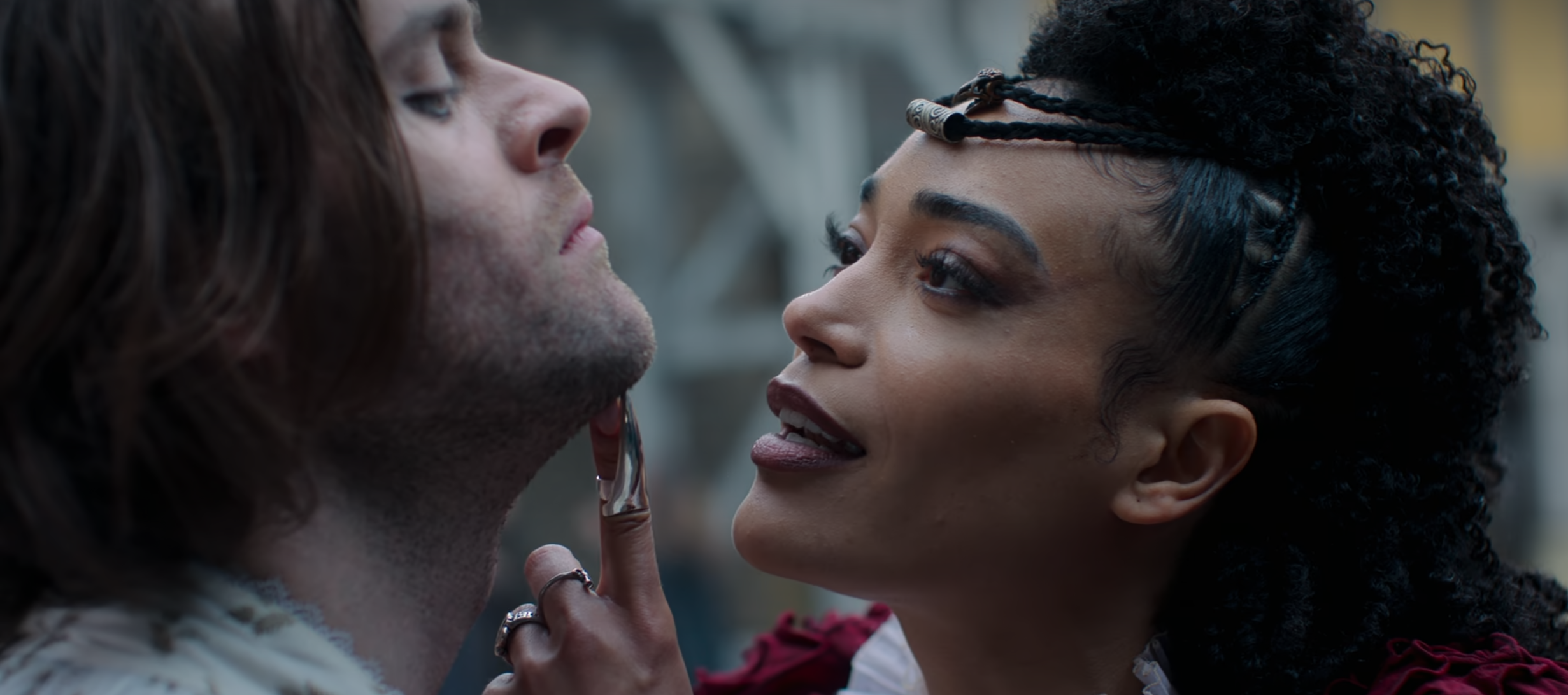
As with season 2, I had only watched season 3 of The Witcher once prior to my preparation with this primer. Unlike S1 and S2, “is better upon subsequent viewings” does not apply. It was just fine the first time—even good. Ironically, I believe Hissrich’s writing team gives fans precisely what they wanted: an almost precise facsimile of the books Blood of Elves and Time of Contempt. Yet S3 underwhelms me because of the predictability that so many fans desire. While I enjoy Hissrich’s interpretation of the Thanedd Coup, I cannot shake the feeling that this season is a checklist of ticked boxes for iconic scenes from the books. Essentially, I have little to say about the details in S3 because I feel like I’ve already addressed most of its content in my reviews of the books!
To touch on a few points. I’m not queer, so I appreciate how Radovid (V) navigates his perceived lack of what it takes to be king as one who should not be underestimated instead of an extended metaphor for being closeted. Jaskier’s bisexuality is whatever; but falling in love with Radovid is too nonsensical of a storyline for me to take seriously.
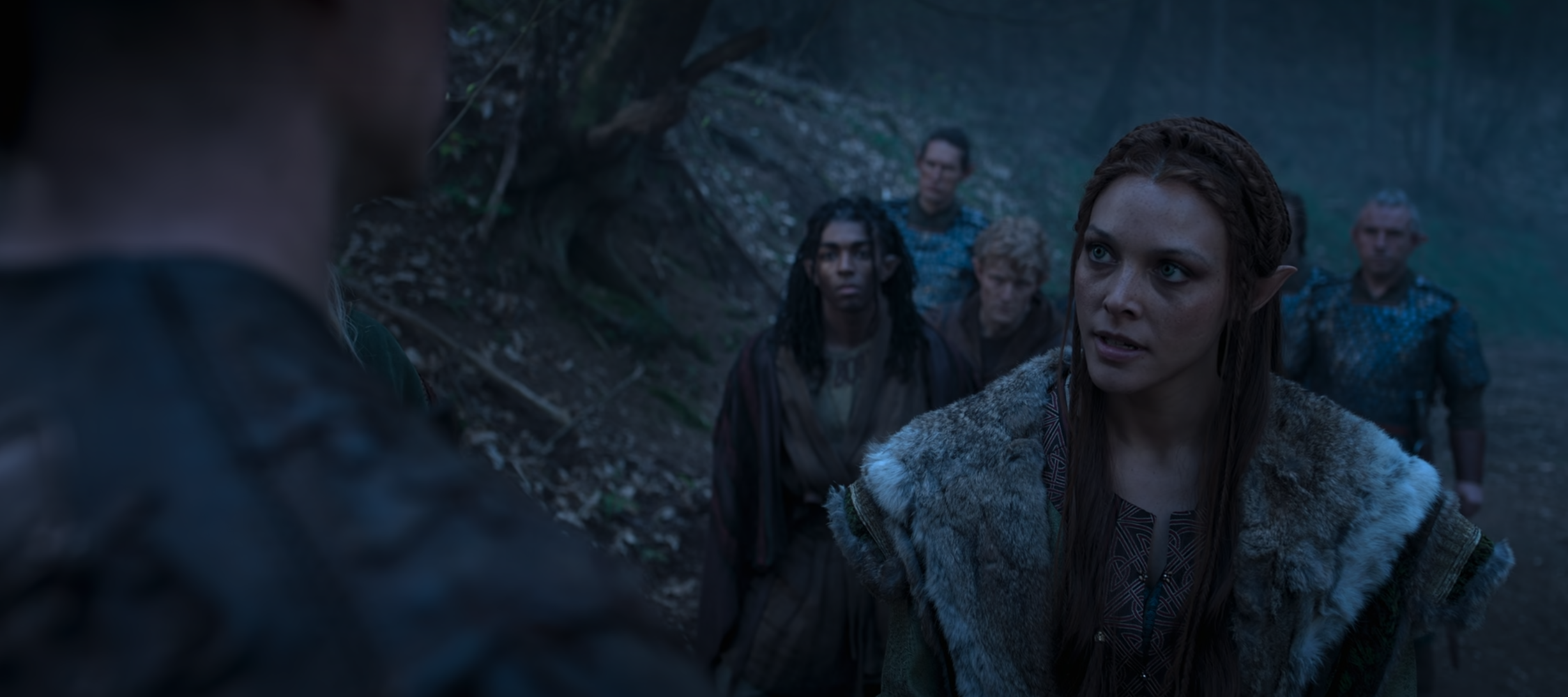
In the books, an unknown entity assassinates King Vizimir II unceremoniously off-page; Sapknowski outlines the event like gossip rather than taking readers to the scene as it happens. In the show, Philippa Eilhart’s mistress does the deed, and the former crowns Radovid as Vizimir’s body is still leaking on the floor. It’s a brilliant prognostication of events in The Witcher 2, and video game fans should giggle at the callout.
Season 4
Baptism of Fire is my favorite book in the entire series because within, Geralt forms his hanza, or adventuring party, consisting of Jaskier, Milva (introduced at the end of S3), Cahir, Regis the vampire, and Angoulême. Its finale features a battle where Geralt and Cahir accidentally end up fighting Nilfgaard during the Battle of the Bridge on the Yaruga. For his valor, Queen Meve of Lyria and Rivia subsequently knights Geralt as “Geralt of Rivia.”
ROLL CREDITS!
Forreal though, the bond that Geralt forms with his hanza is Baldur’s Gate franchise-level of character interactions and development. I look forward to seeing how Hissrich handles it.
I also look forward to the formation of the Lodge of Sorceresses, as well as Leo Bonhart’s reveal. Hopefully we won’t have to wait (briefly) until S5 to resolve that aspect of Ciri’s story.
Oh, and Liam Hemsworth’s “Let’s f**king move!” in the trailer is abhorrent, but I’m not going to judge the man based upon one line. The expectations for him following Cavill are insurmountable, yet I hope his Geralt doesn’t make me regret defending Hissrich’s direction with the show.
I will approach with an open mind.
 Blerd Beats
:max_bytes(150000):strip_icc():focal(999x0:1001x2)/liam-chris-hemsworth-5-49c24669ee484a5c9424a5ffb7afd2cc.jpg)