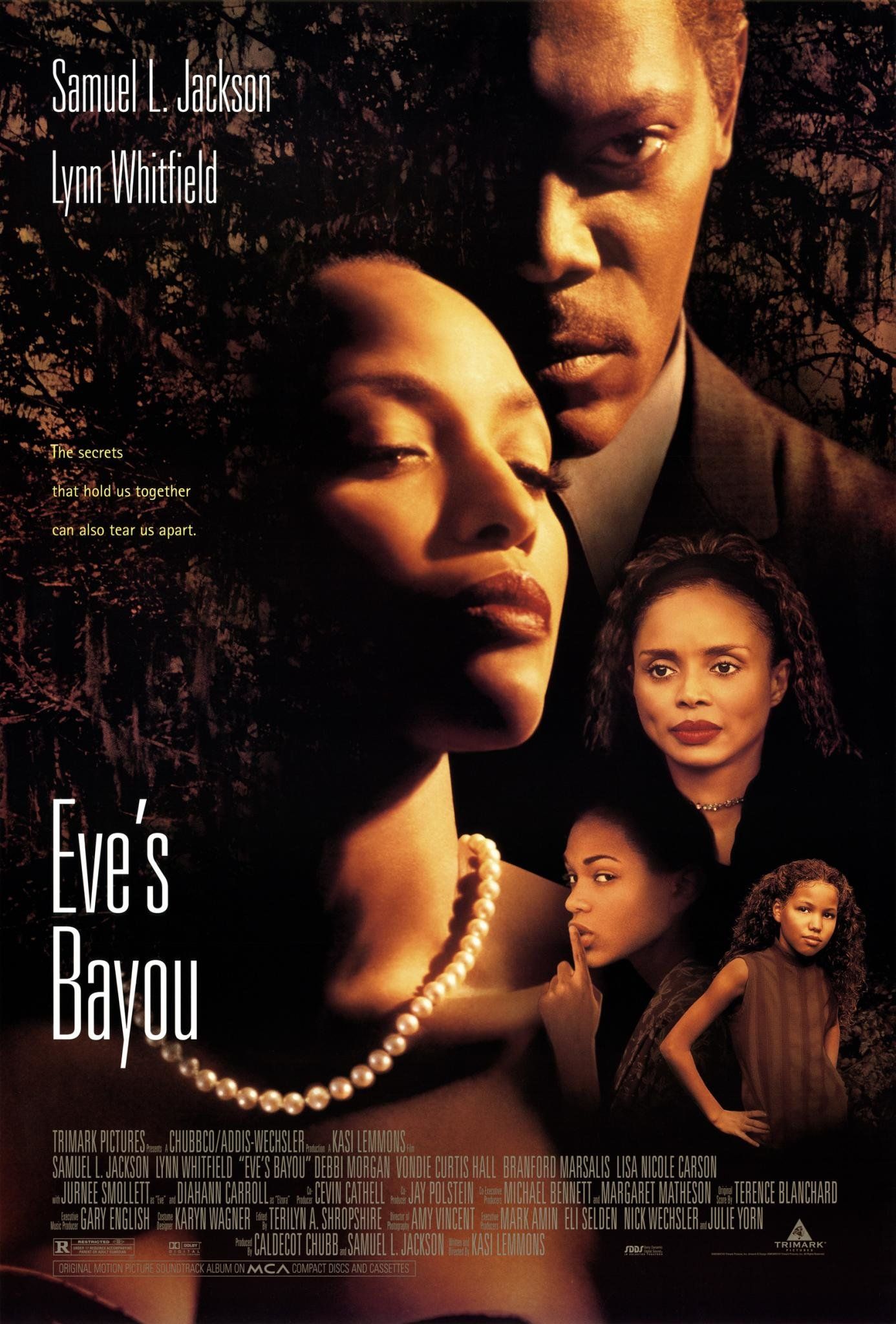
I am only two entries into the Black Pantheon, and I am already realizing that among the movies I have seen before, I remember little about them. I remembered practically NOTHING about Eve’s Bayou, one of my wife’s all-time favorite movies, so I was in for a treat. Jurnee Smollett’s Eve Batiste is the best child acting I have ever witnessed, and I can see why she went on to become one of the hottest actresses in the 21st century: vivacious, dynamic, comely. In contrast, her brother, Jake Smollett, as Poe Batiste is precisely what I expect from a child actor: bombastic, ungainly, irascible. If that is the material director and screenplay writer Kasi Lemmons provided him, then he overachived to my annoyance.

I did not recognize Meghan Good as Cisely Batiste, at all. In fact, I am realizing that for all the discussion about Good among Black audiences, I actually do not know much about her beyond her marriage and divorce with DeVon Franklin, and that she is now engaged to Jonathan Majors. [I ask my wife why Megan Good well-known, and she says she was in a bunch of Black movies. Well, as I previously wrote, the gaps of in my knowledge of the Black Pantheon are embarrassing.]
At any rate, Cisely’s character arc fascinates me more than Eve’s despite the latter’s titular status. Yes, while Eve shares a gift of foresight similar to her aunt, Mozelle Batiste Delacroix, Cisely’s actions drive the plot as much as the infidelity of her father, Louis (Samuel L. Jackson). After Eve’s Bayou ends, the foremost question in the minds of my young adult children is why Cisely kisses her father in the first place, (especially on the mouth). My wife suggests that Cisely experiences symptoms of an Electra Complex. I do not think that Cisley is attracted to Louis; instead, jealous of the attention that her father garnered from outside of the home, Cesily ups her game. In spite of her mother imposing a ban on leaving the house, Cesily goes to town, in the rain, and returns with a makeover. She stays up late waiting for him like her mother, Roz (Lynn Whitfield). this and the onset of her menstrual cycle signals her transition into womanhood. She kisses Louis intimately, perhaps emulating what she either witnessed when she visited him at his office on that stormy day. The duality of her love for her father and the deliberate repression of his infidelity compels Cesiliy to compete for his love in most effective way that she believes will get his attention: seduction.
I believe Louis’s letter—Cesily’s first kiss is pure and innocent. But she longed for more of attention. She wanted to reclaim the time that his affairs had hijacked from his family, from her. So then why does she lie to Eve, that their father attempted a sexual assault? The shame of her rejection after her desperate efforts to win her father over women like Matty Mereaux (Lisa Nicole Carson) devastates her. Rather than believe that Louis rebuffs her because something is wrong with her, she fabricates a fantasy where something must be wrong with him. If she cannot win over her father, she can win over Eve.
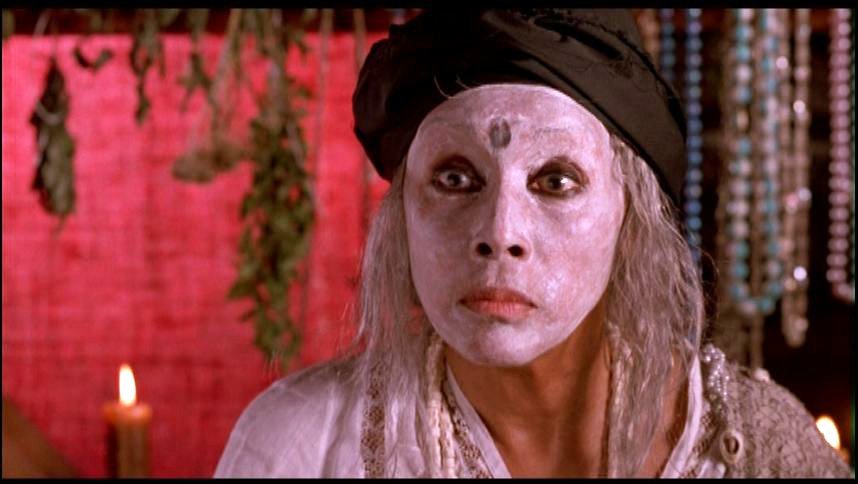
Eve discovering Louis’s letter postmortem, confronting Cesily about her lies, yet submerging the letter in the lake while holding hands with Cesily in solidarity confused me for weeks. Why would Eve forgive Cesily? Asking my wife about this, she says that part of the intrigue of Eve’s Bayou as a Black movie is that Black families often keep and hide deep, dark secrets: the abortion(s), the bastard chid, the rape, the substance abuse, the gay son/lesbian daughter. We Millennials champion therapy to break these kinds of cycles. For a movie released in 1997 with a 1960s setting, we have to settle for Eve drowning her dealings with Elzora (Diahann Earroll) alongside Cesily’s fib as the film’s ultimate resolution.
Eve’s Bayou teases with several ambiguities beyond Eve and Cesily’s closing scene. For example, was it Eve commissioning Elzora $20 ($200+ in 2025 money) for a Hoodoo solution to her father’s alleged abuses that lead to his demise, or was it Eve suggesting to Lenny Mereaux that Matty might be awfully lonely when he’s gone on his teaching assignments and Louis’s subsequent arrogance when Lenny confronts him? Director Lemmons’ respect for spiritual practices in Black culture that are Christian-adjacent—Mozelle’s natural and Elzora’s learned, practiced, and mastered gifts of prophecy—elevates my appreciation; Eve’s Bayou rejects outright concrete answers.
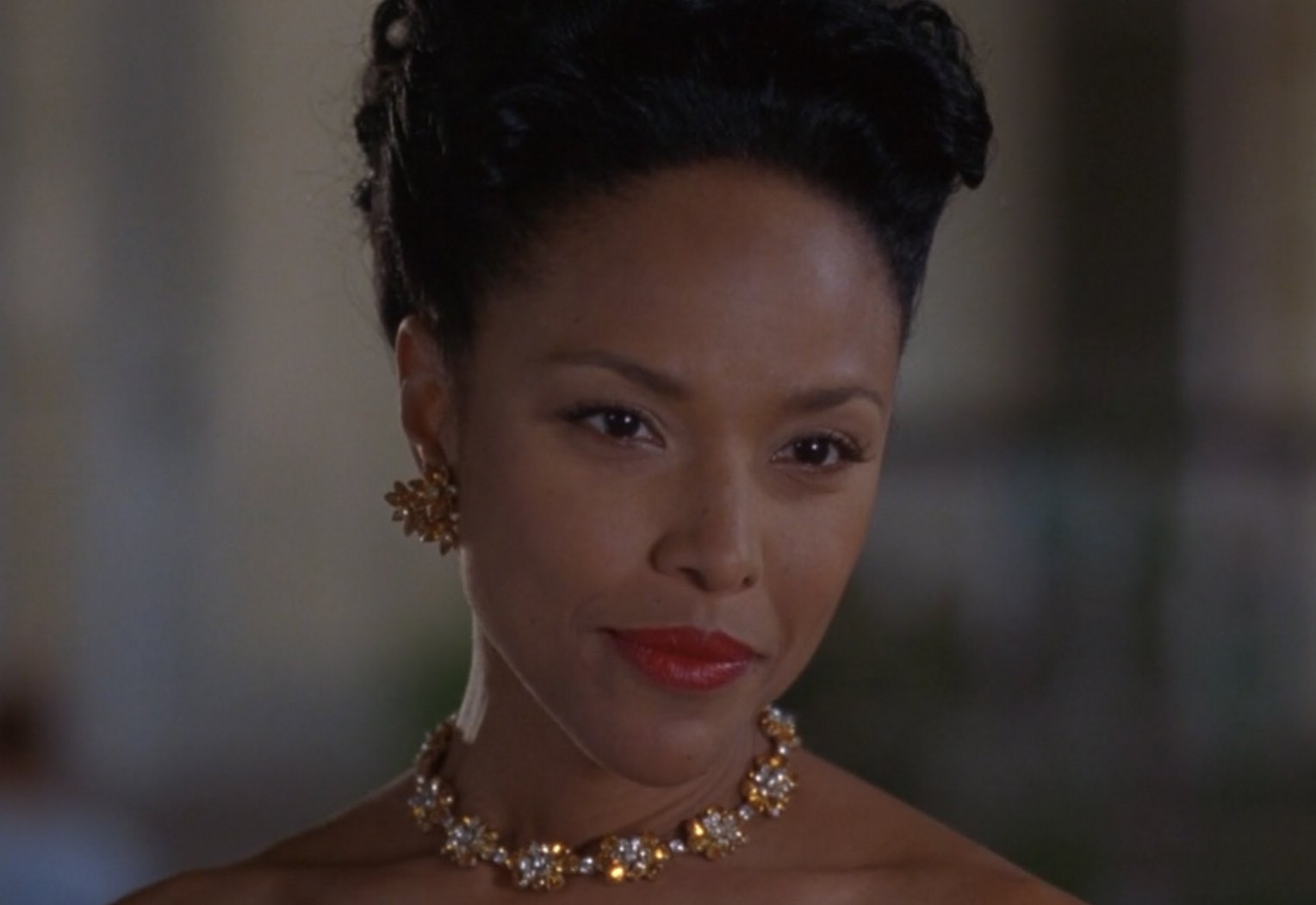
Lastly, may I just say that in this film every woman is drop-dead gorgeous? Must be a 90’s thing.
 Blerd Beats
One thought on “Reel Talk—The Black Pantheon: Eve’s Bayou (1997)”