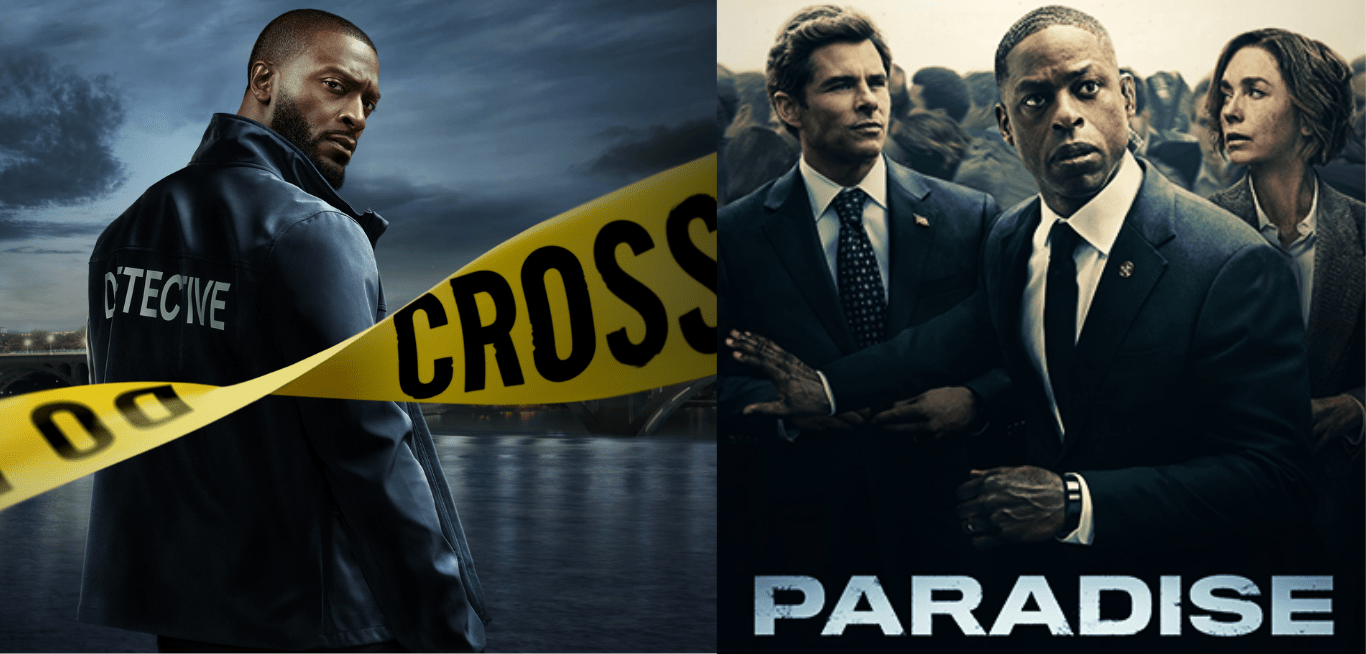
In an effort to spend more quality time with my wife, I am watching more television. I started Slipstreaming as a column because I do not watch much television. Yet here I am, having knocked down both Cross and Paradise within a few short months.
Black Male Leads
Growing up in the 80’s and 90’s, I noticed the sparse portrayal of Black characters in mainstream media, except in shows like 227 or A Different World, or movies like Coming to America, which directly targeted Black audiences. Hence, the “token” trope. So wherever they appeared, I paid close attention. Even before my time, Black people established the practice of determining our weekly television consumption to keep tabs on “the Black character” in media which targeted white people as its primary audience.
(Black film consumption is more nuanced, but even white people caught on to Will Smith’s ascent to fame as the Fresh Prince and subsequent propagation in movies because of his “crossover appeal.” Inheriting the mantle of Black funnyman from Eddie Murphy, Smith could smoothly crack jokes in serious situations without ruining the tone.)
I have long considered what a world looks like where the proliferation of Black people in popular media is normal and unworthy of special note. For certain, this imagined world does not host a culture war waged against diversity, equity, and inclusion. I doubt I will live long enough to bear witness to such a reality. In the meantime, Black people continue the tradition of collectively celebrating when Black actors and actresses play the lead role in movies and television.
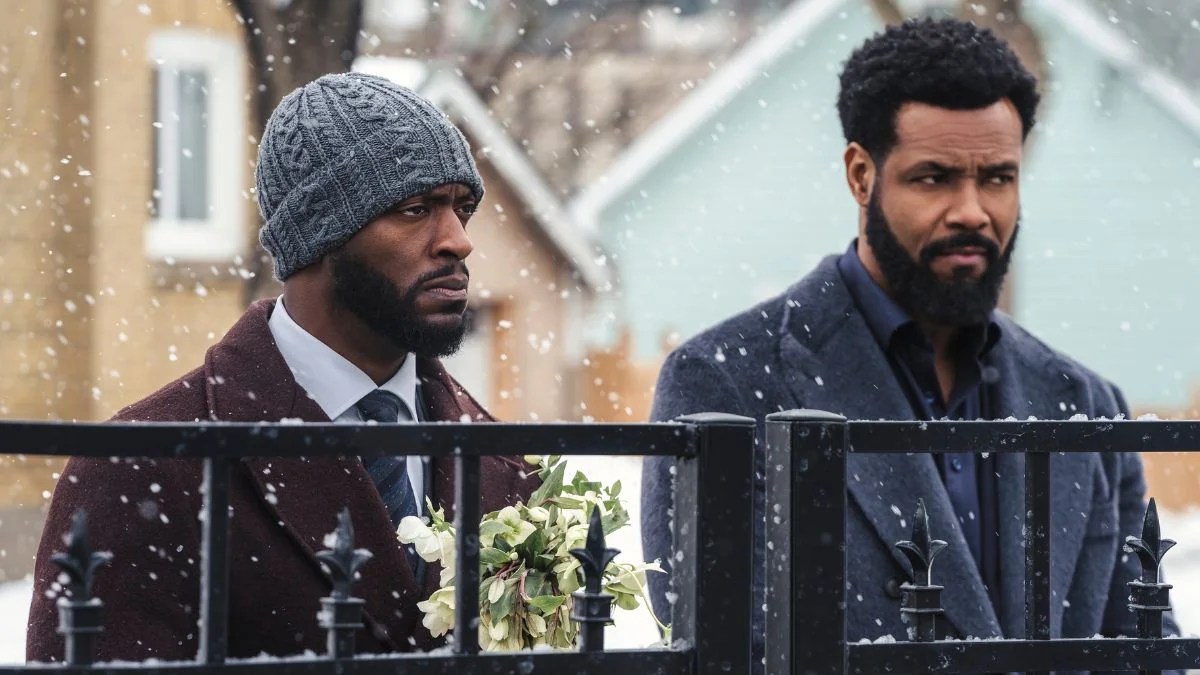
So why did I struggle to celebrate Aldis Hodge playing Alex Cross in Cross, and Sterling K. Brown for his role as Xavier Collins in Paradise? For those reading this, let the record show that I struggled with this question for weeks, nearly giving up on writing this section. I eventually recognized that I found Cross and Collins as unrelatable as a generically white character because they almost never have to address their blackness. Cross and Collins exist in fictional Americas liberated from white supremacy. This discontent, this weirdness that I feel might just be my response towards undefiled potential—genuine “post racial” possibility, where Black actors can be as interchangeable as white ones.
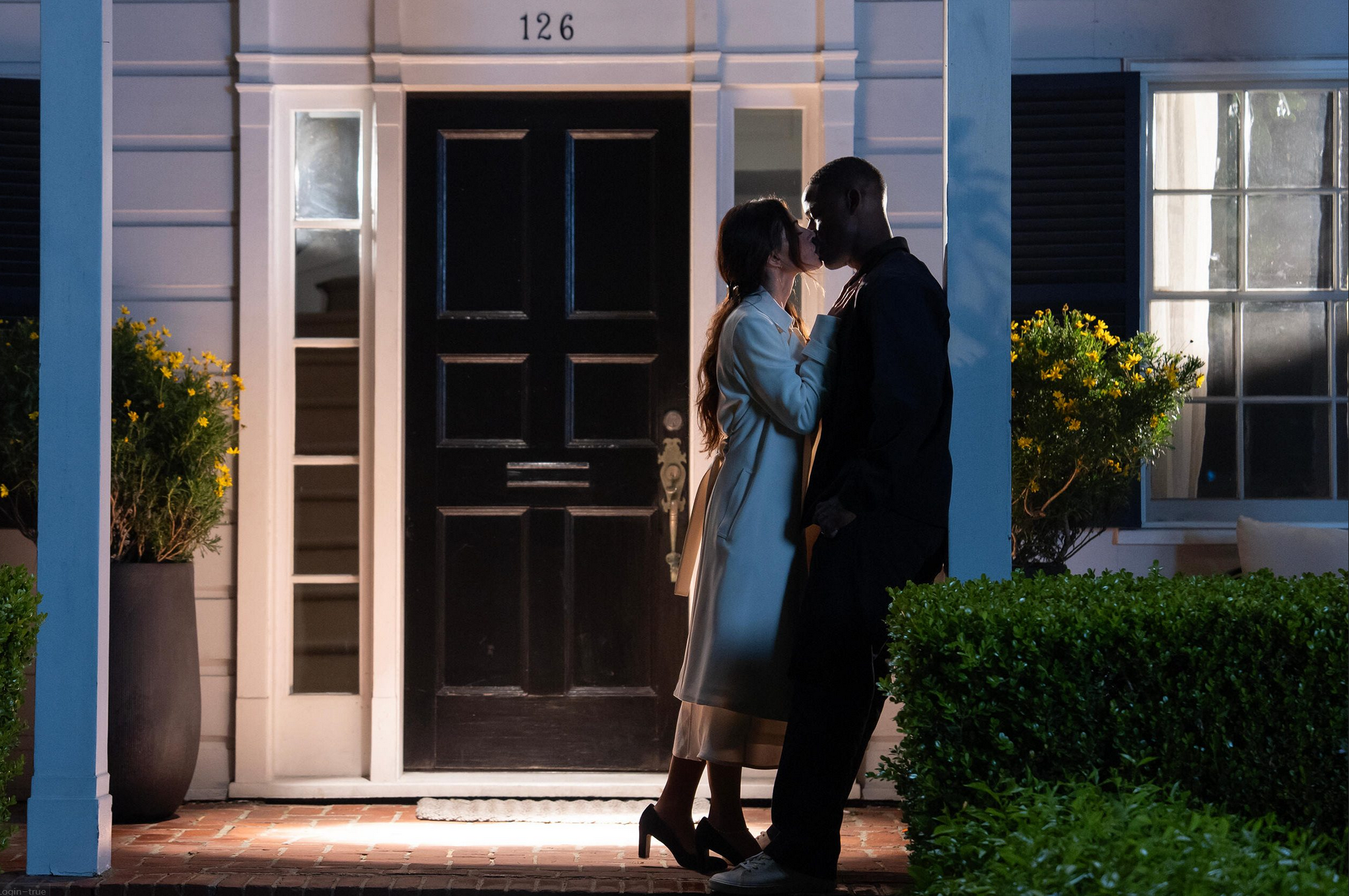
Paradise is truly a paradise. Despite exploring the stories of three different Black characters, this series deliberately centers Black lives without centering their blackness. In a color-blind…paradise…racial considerations must come from the show’s exterior—the viewer’s epistemology. For example, all three Black characters experience black/white interracial entanglements, which would be implausible IRL, but world-ending circumstances (and the script dictating that a black man and woman have access to the POTUS) place them in proximity to each other. In a pool of 25,000 citizens, white supremacist nightmares of miscegenation are inevitable. Paradise hints at this with Collins’ daughter and the president’s son, though it drops the subject for more pressing matters. Furthermore, these characters are unambiguously Black—they’re darkies y’all! Paradise quizzically wonders if a post-racial America is only possible in a post-apocalyptic scenario where concerns more pressing than melanin quotients take precedence.
Alex Cross creator James Patterson once emphatically rejected Hollywood adaptations if he would “race-bend” the character. To him, Cross as a representative fictional character lies somewhere between ordinary and respectable—and yes I do mean respectability politics, for Patterson’s intimate experience living with a Black family inspired him to create a Black character known for his intellect, not his swagger. Hodge effortlessly brings the swagger by merely existing on screen.
Ironically, the crux of Cross S1 involves the eponymous character investigating the murder of a Black Lives Matter/Defund the Police activist. Racial tension circumscribes the show’s Washington D.C. backdrop as another BLM activist dies in police custody, an unknown assassin sniping him in the head while handcuffed. The second victim’s girlfriend rightfully distrusts that the police will vindicate the victims, suspicious of the law’s interest in solving the crimes. Moreover, it is not until after solving the case that a previous target of Cross’s rage confronts and reminds him that as a Black police officer, he should be looking out for us that Cross has to access his racial identity.
Because of this, I find myself less interested in Collins and Cross as characters; my interest in their respective shows lies in the solutions and resolutions to the mysteries: who killed the president / will they catch the Fanboy (I did not even care whether his final target survived). The artificiality of the protagonists’ cleverness protrudes ludicrously, as neither question why they work in the service of Repressive State Apparatuses as Black men. All Cross tells the young Black man he assaulted is that he will try to do better.
LoL, k. I guess another way of thinking about this entire section is through the lens of remaining inoffensive to white audiences. Black male leads confront day-to-day white supremacist institutions would disrupt white imaginations while acknowledging Black realities. Whew, that’s the heart of what I really wanted to say here, even at the expense of Black men getting work, getting paid.
Still, I would choose Hodge and Brown a million times over Anthony Mackie.
COPAGANDA
Like most folks my age, I caught an episode of Cops from time to time while growing up. No need for Marvel superhero movies or MTV-style reality TV drama; on Cops, there’s always a bad guy who needs to get caught, a disturbance that needs to be investigated, a conflict that requires resolution. Paragons of all that is legal and just, Cops always portrayed the police as flawless. Divine. Holy.
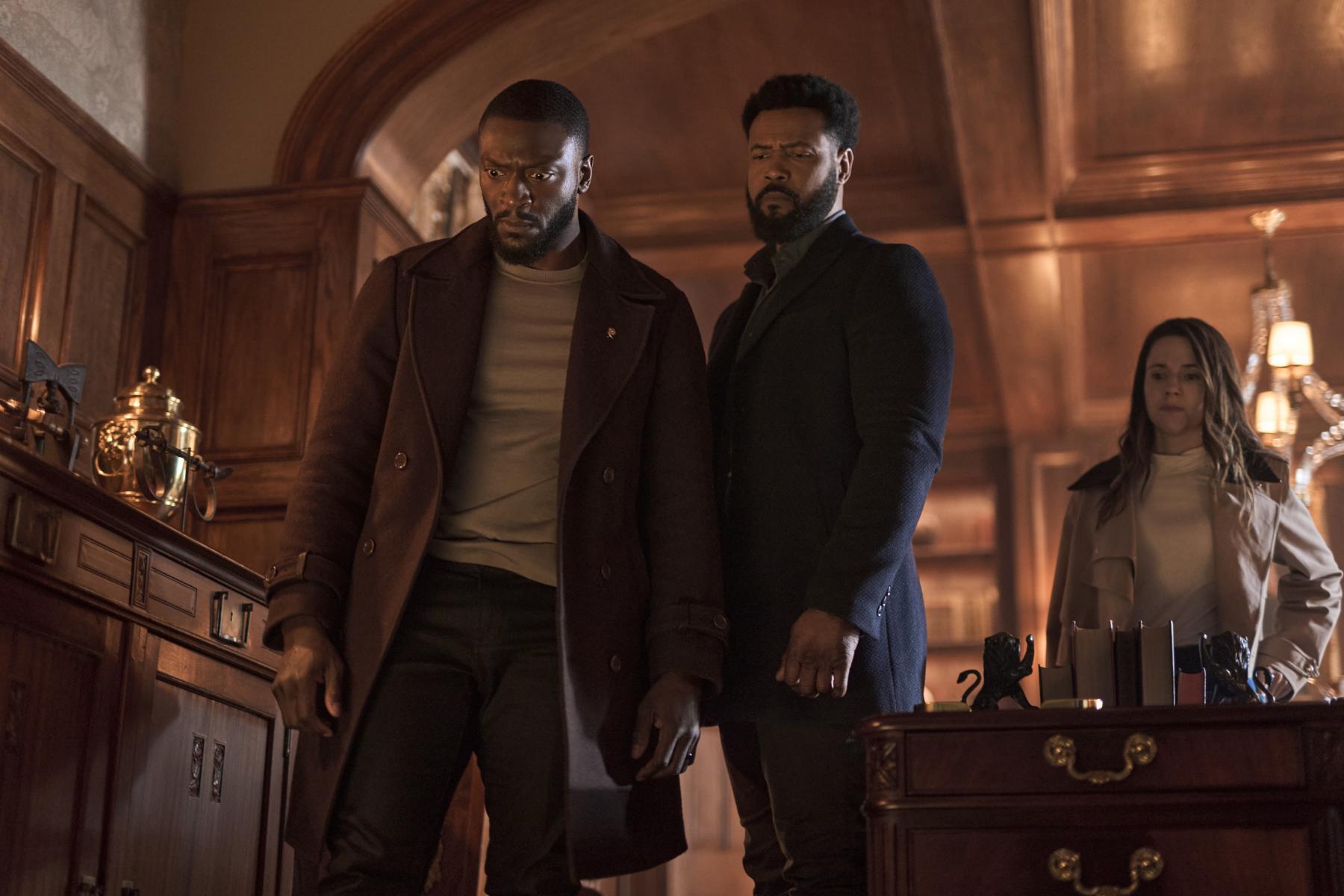
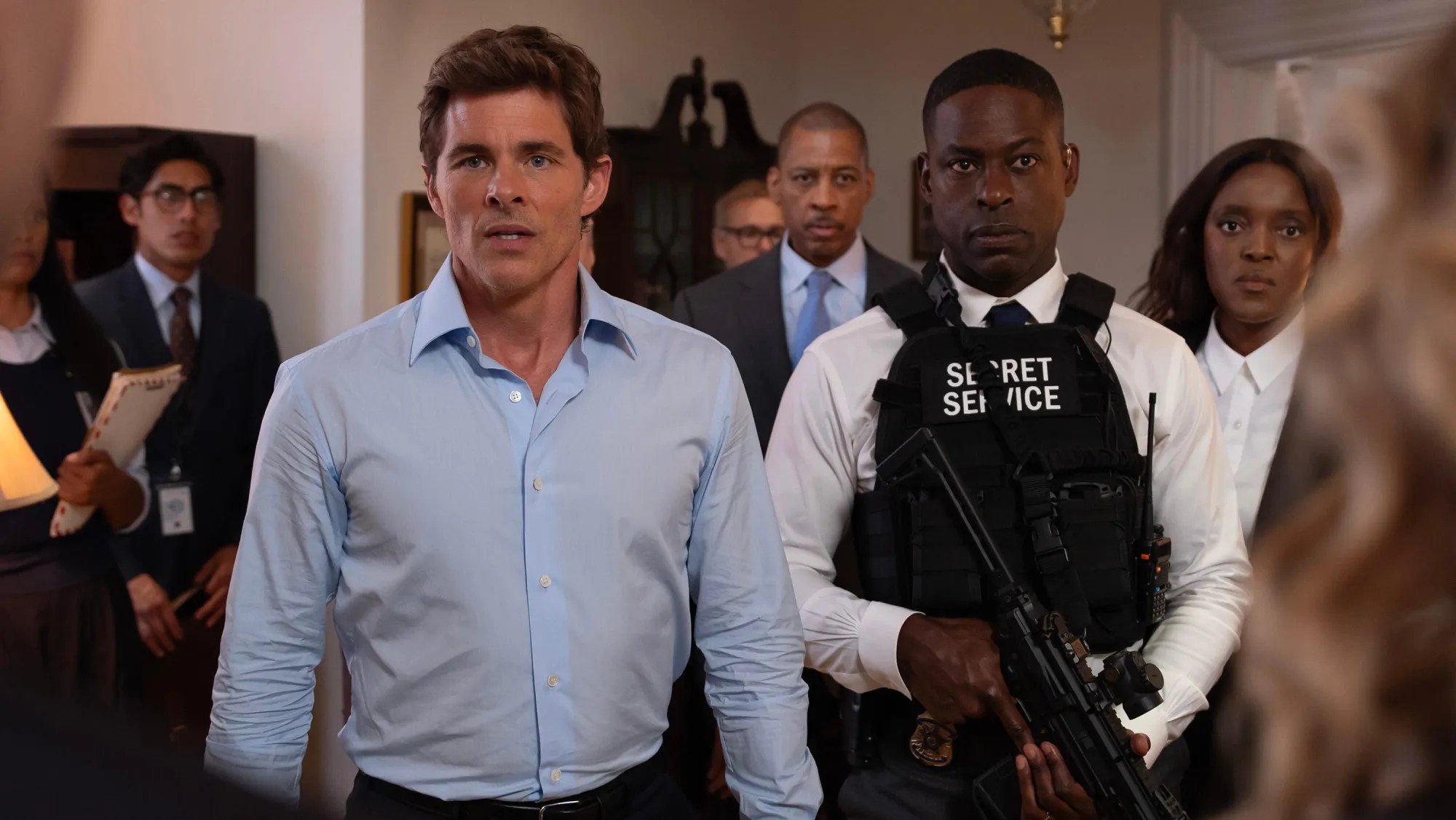
This idolization makes Cross and Collins into paladins. Their largely unchallenged alignment with Repressive State Apparatuses makes their blackness easy for white audiences to ignore. Yet they are still “the feds,” almost in both literal and figurative ways. Cross perpetuates the trope of the local police force maintaining a relationship with an FBI insider (though Cross’ partner, John Sampson [Isaiah Mustafa aka the Old Spice Perfect Man] maintains a rigorously more intimate relationship with agent Kayla Craig). The Secret Service comprises federal agents by definition, including Collins. This is not the space for recounting the history of interactions between the police and Black people in America, but depicting law enforcement as Black heroes in mainstream television is certainly A Choice that makes me chortle with contempt.
Black Men Need Therapy

“Whodunnits” are the main draw of both Paradise and Cross. But to provide depth and character development for the respective protagonist investigators, the showrunners refrigerate their wives. Collins and Cross are unprepared to carry out the trope of the widower with children. Instead of utilizing therapy, which both characters have access—Sampson consistently reminds Cross to schedule appointments with his therapist; the mastermind behind Paradise dispatches the community’s lead psychotherapist to probe his mind (and he ends up probing her carnally)—they carry their traumas as chips on their shoulders, diving head-first into their work as an ostrich does to check on its eggs. Except that Collins and Cross allowing their detective work to consume them makes them worse, not better, fathers. This neglect compromises the safety of Collins’s daughter and Cross’s daughter and son, respectively, plot points that become their respective show’s seasonal climaxes.
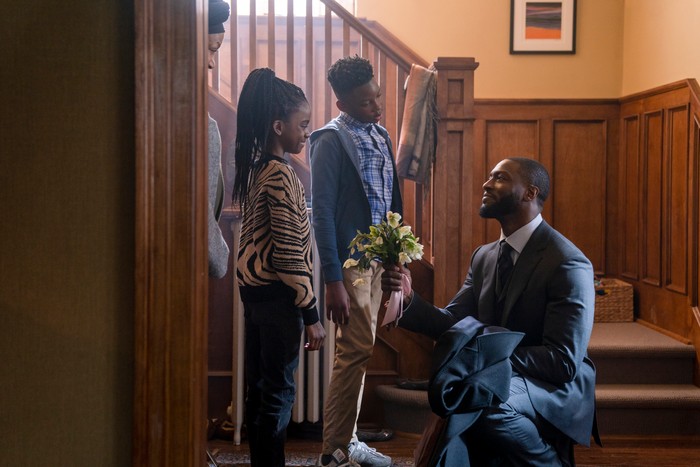
So then while the shows are interesting—that is, the intrigue of Cross’s antagonist, and the whodunit in Paradise—my takeaway is that along with the prestige of spotlighting Black actors and actresses in these shows, character flaws that make them multidimensional also reverberate a kind of dysfunction that is prevalent among (Black) men.
I hope that those who watch these shows experience more positive takeaways than I did.
That being said, Johnny Ray Gill’s Bobby Trey character is the most interesting to me, and I would like to see how his dealings play out. And if Dr. Torabi is preggers in S2 of Paradise, it’s gonna be a hoot!
 Blerd Beats