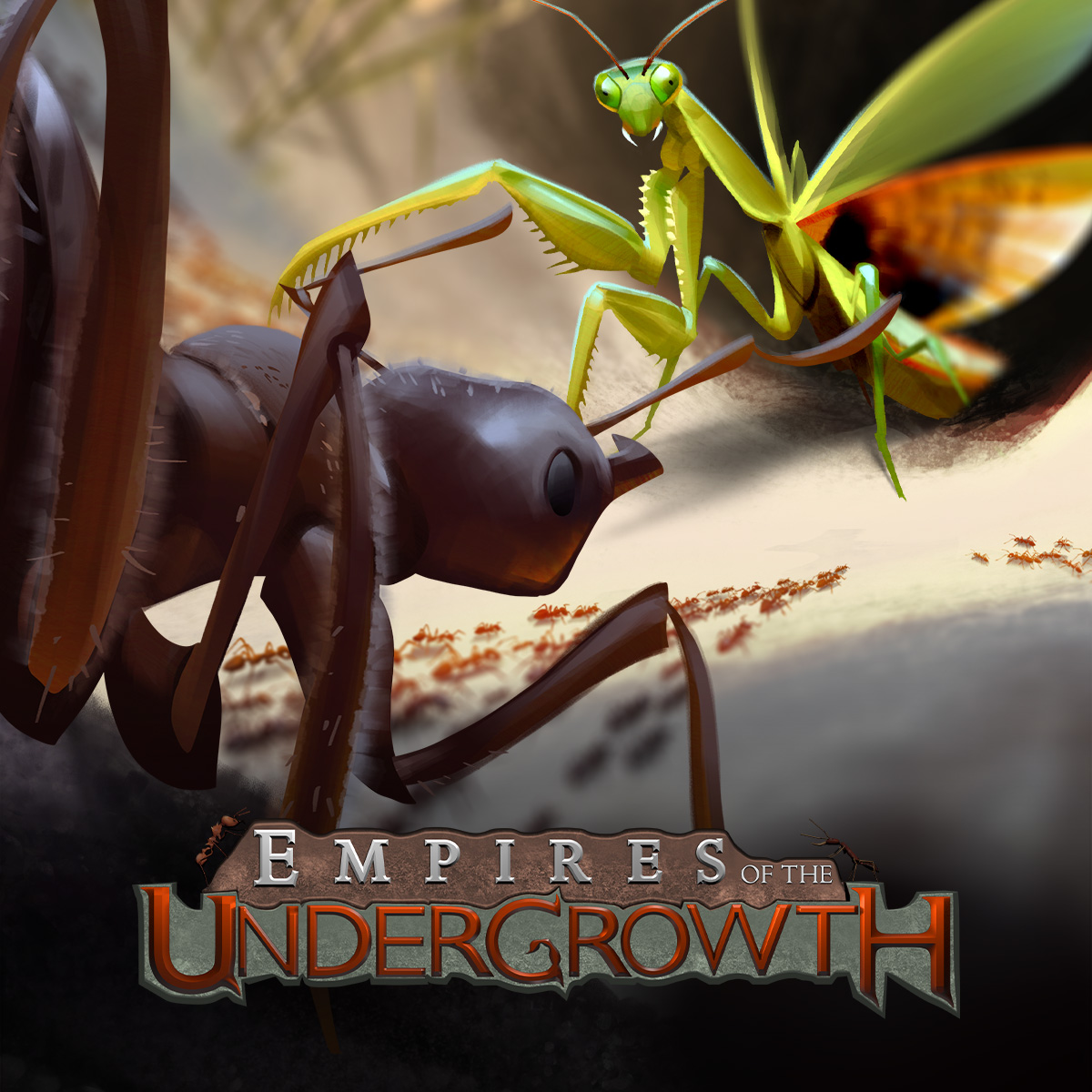
Aiight, lemmie treat this as a real blog entry for a second instead of an “article,” or whatever that means these days when publications are firing their writers left and right and replacing them with AI for CoNtEnT. After a several-month hiatus, I am back. Although I never really left. I simply placed myself in a quagmire by promising myself that I would post on the first of the month, beginning with a Backloggery Beatdown. Yet the 1st would come and go and I would be like, “Oh well, I’ll try again next month.”
FIVE MONTHS LATER….
It’s not like I don’t already have things in draft or even pending! I just have not written about video games; my plan was to publish on a different topic every week, even if I posted about comics every other week since I consume those faster than any other medium. But I had to start with video games, because Backloggery Beatdown is my first original writing concept, so I feel compelled to publish it first.
So I am going to fight against my first-born tendency for everything to be just so (and my personal extreme all-or-nothing tendency), and just…do it!
The hope is that I will gain and maintain momentum!
Empires of the Undergrowth (EOTU)
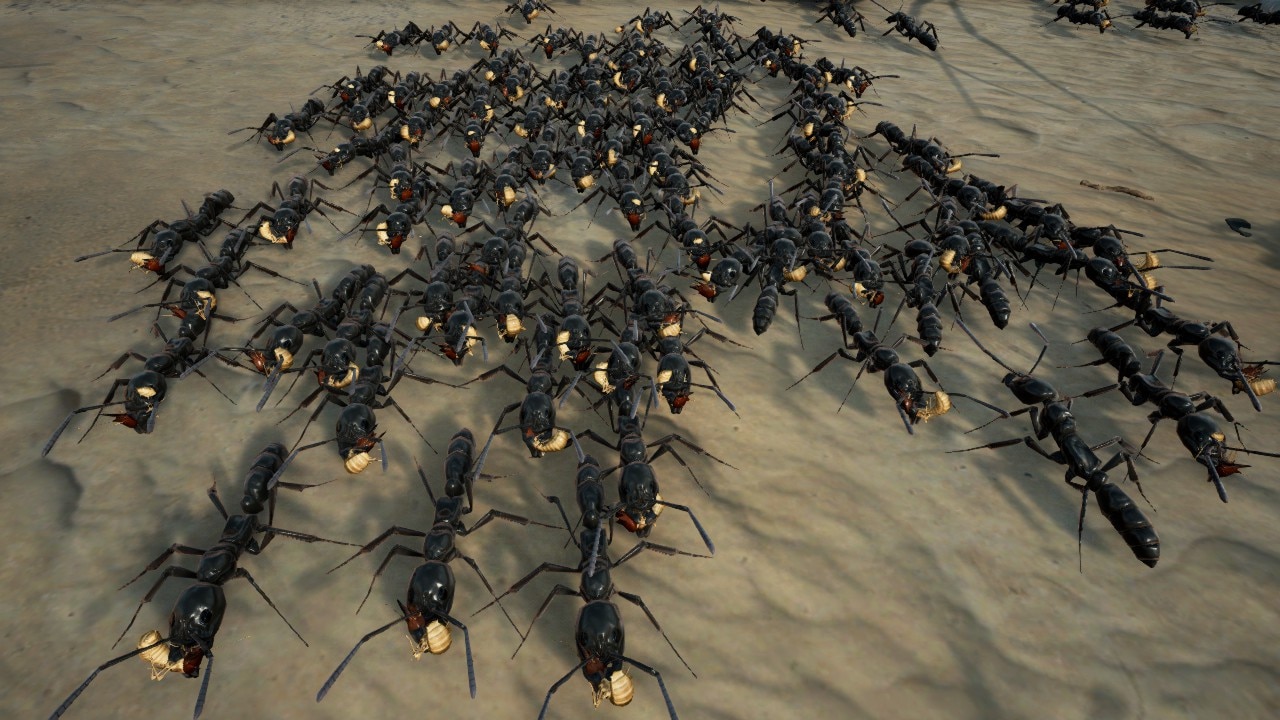
(ETOU) is a masterpiece. I wrote a preview for it (the timeless grammatical errors are grievous unto me) when developer Slug Disco blessed GUG with a review key during its Early Access launch in 2017. Even when the game was less than half of what it is now, I was impressed by its…well…everything! I embraced my role as a pseudo-entomologist as EOTU introduced me to the proper species nomenclature of some of the world’s most famous ants while the in-game mad scientist poses as the player’s surrogate. I have never owned a formicary, but if I did, I too would toss various insects inside to see how my ant colony would respond to intruders.
ETOU introduces its five playable species, formica fusca (black ants), formica rufa (wood ants), atta cephalotes (leafcutter ants), solenopsis invicta (fire ant), and megaponera canalis (Metabele ants; capitalized because they are named after the Metabele African tribe), through the in-game formicarium, a hub world where one selects missions; each tier of the formicarium features a new species and at least two playable levels. After meeting the objectives of those missions where the greater the difficulty selected, the greater the reward given, resources accumulate in the formicarium that the ETOU‘s fictional queen species, formica ereptor or “gene thief,” can spawn her own versions of the featured ants.
As its title suggests, meeting those objectives means conquering the insect kingdom. Tasks as simple as accumulating food for the colony entail subduing predators like crickets, frogs, spiders, or rival ant colonies. The premise of ETOU is simple, yet Slug Disco has painstakingly balanced the game, facilitating accessibility for RTS newcomers and veterans alike with timings-based objectives whose challenges scale appropriately as players manually increase the game’s difficulty to meet their skill levels. EOTU limits missions to two per ant species (with one bonus wood termite mission), and they are all appropriately appealing.
Allow me to gush on some of my favorite parts of ETOU, which I cannot do without mentioning its stellar sound design. By that, I mean not only the OST, but also the lines written for MauLer to deliver in his narrations. This combination sets up the mood for each mission in a way that defies description, but I will try my best.
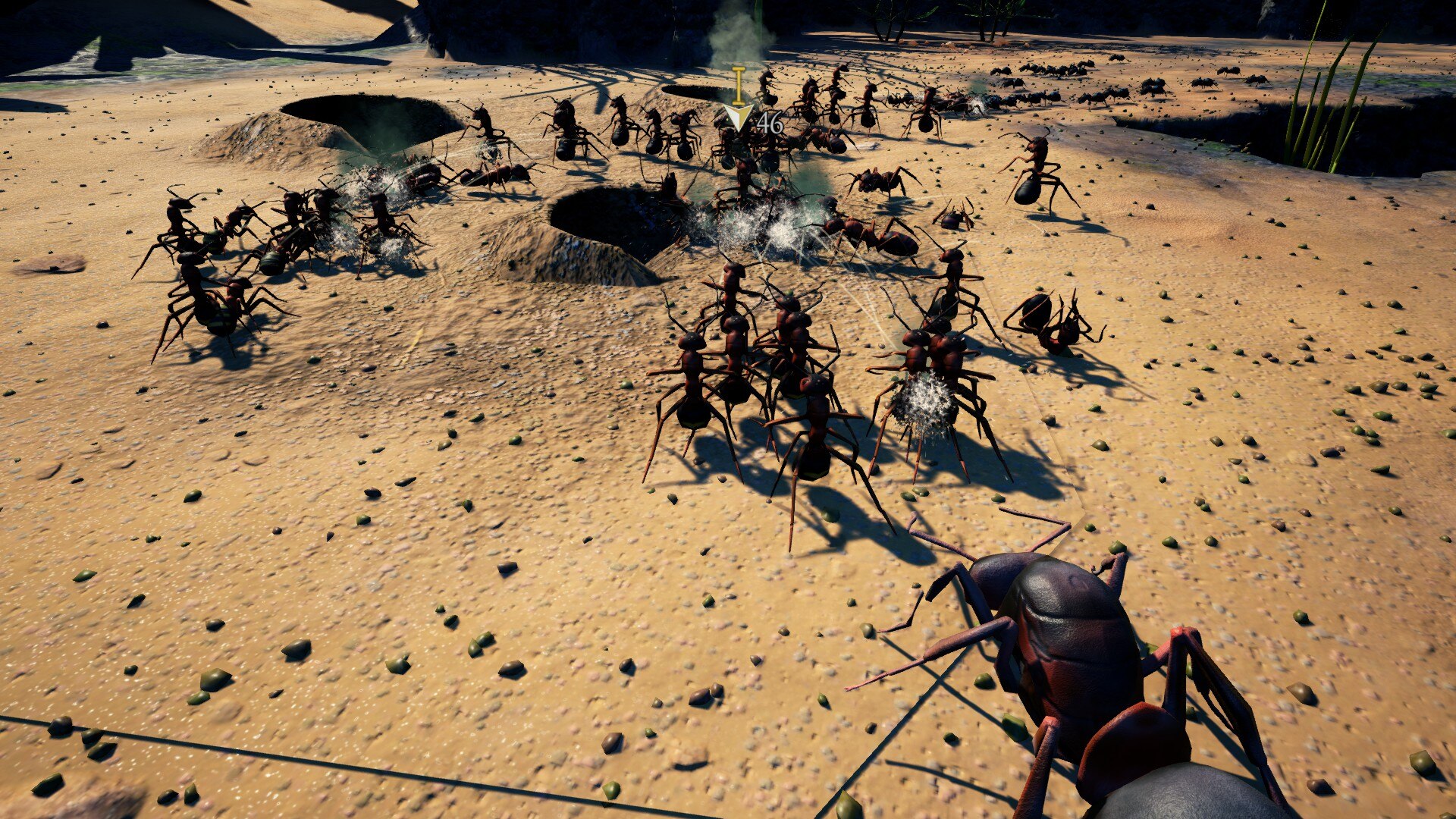
For example, mission 2.1 “Rising Tide” begins like so many others, with MauLer narrating the objectives and stakes of the scenario; here, the wood ant queen’s colony must compete with other ants on the beach for resources that the tide washes in while either avoiding or overwhelming the sand beetles. Right as MauLer ends his opening monologue at 0:56, the ensemble kicks in with plucks from a harp punctuating the marching rhythm of the contrabassoon. I recommend allowing the music/video to play up to around five minutes to get a feel for how EOTU layers its music between its “safe” and “action” versions in each mission. For the wood ants, “Rising Tide Safe Theme” carries.
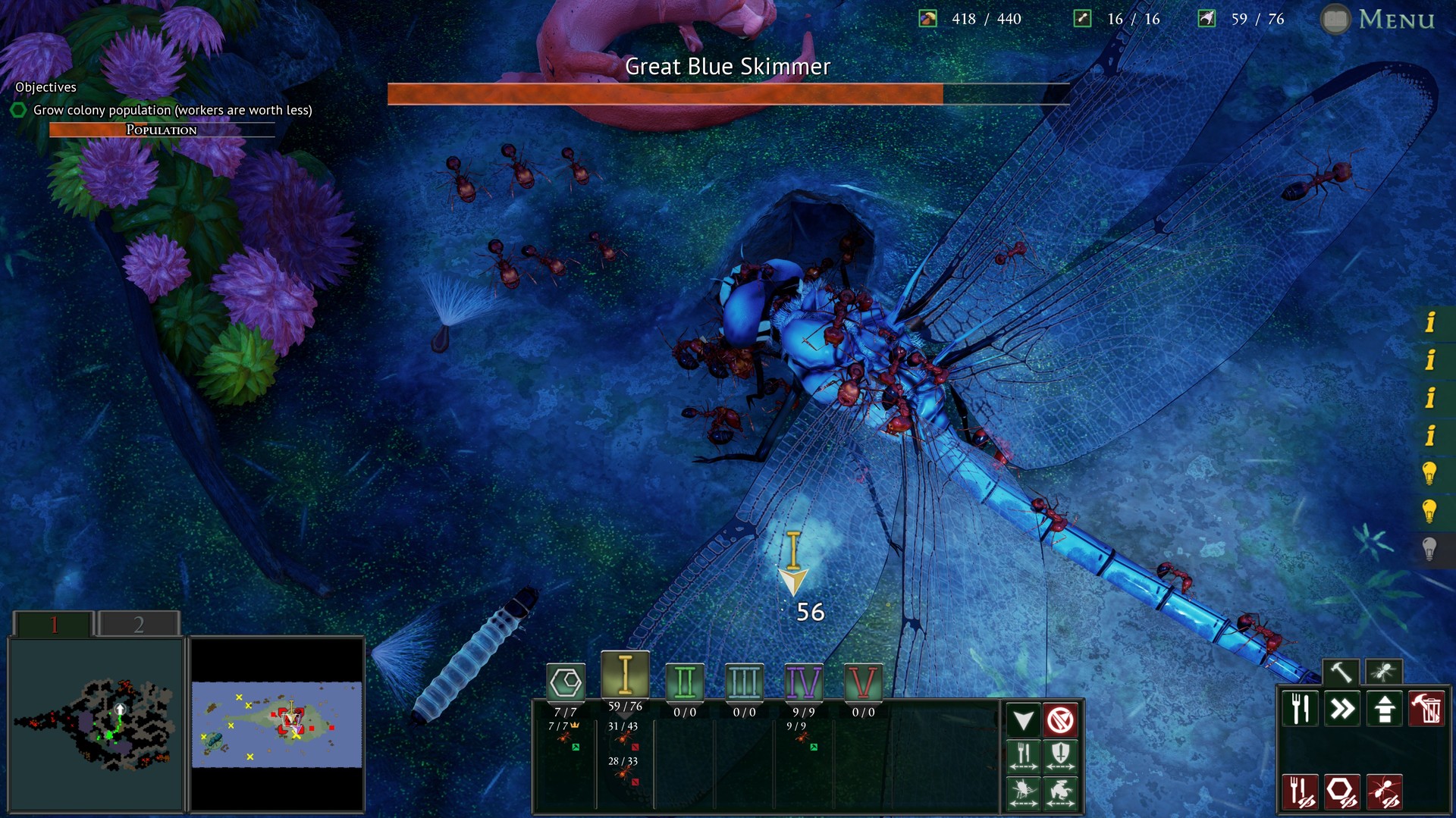
Unlike most other ants in EOTU, leafcutter ants are not omnivores, but maintain a symbiotic relationship with fungi for nourishment. The processing of leaves into fungus for food, then the discarding of the refuse to prevent an invasion of necrotrophic parasites takes time. And so, mission 3.1 of the leafcutter colony opens more slowly than other colonies. The tempo of the opening woodwinds in its music reflects the methodical nature of setting up the leafcutter economy. The didgeridoo, bass, and singular horn ominously stress MauLer’s warning that if the colony does not process leaves with urgency, the colony will starve. Enemy encounters introduce the heavy brass tubas and bongo percussion accompaniment, accentuating the increased activity. Both the “safe” and “action” tracks for mission 3.1 complement the respective economic and martial aspects of the gameplay. I love how “The Harvest Safe Theme” sets the mood for 3.1, while “The Harvest Action Theme” appropriately proportions of the massive leafcutter ant major.

In mission 4.2, “A Bridge Too Far,” is by far my favorite level, because it features my childhood favorite ant, the fire ants. The “safe” track is okay. Passable. It might even be actually good. Yet it pales compared to “A Bridge Too Far Action Theme” track which underscores how the fire colony operates via sheer overwhelming numbers—a relentless army. I could listen to its climax on repeat. The trumpet’s (or is it a cornet?) refrain supported by the tubas simulates the struggle between the fire ants and the various insects retreating from the rising water. When the strings begin, the struggle escalates into a scramble.
Even though I wrote a lot, I lament my inability to do justice to ETOU with my words. As a labor of love, it transcends a mere re-imagining or outright impersonating a member of the RTS Pantheon: Command & Conquer, Age of Empires, StarCraft, or Homeworld. ETOU‘s existence astonishes me as much as it disheartens; not since They Are Billions have I experienced a compellingly original RTS, and in this way, I bemoan the gaming industry’s dearth of creativity. I love rooting for Slug Disco; the studio has used its success with ETOU to launch other projects, defying modern video game trends where most indie developers sell their souls on the mobile markets for the next big GATCHA scheme. I hope and pray Slug Disco does not go the way of Mimimi Games as the RTS genre is as niche as the real-time tactics genre.
 Blerd Beats