Home
11-11 Memories Retold
Whenever I purchased 11-11 Memories Retold, I recall that it had been lauded as a moving game that plucks on the ole heartstrings. Eh, maybe.
With Israel (still) bombing Gaza into smithereens, I am less inclined to invest significant time into another World War game, especially one that tells stories from “both sides.” I was cool with playing as Harry Lambert, a Canadian photographer’s apprentice who joins the war to impress his friend-who-is-a-girl in the hopes that she would fall in love with him (he should have just stopped being a punk and asked her out or whatever they did in the early 20th century). Indeed, joining the corps because “chicks dig a man in uniform” is a tired trope, but I was willing to go along with it to see how Harry responds to the macabre violence of war as he captures it on his camera.
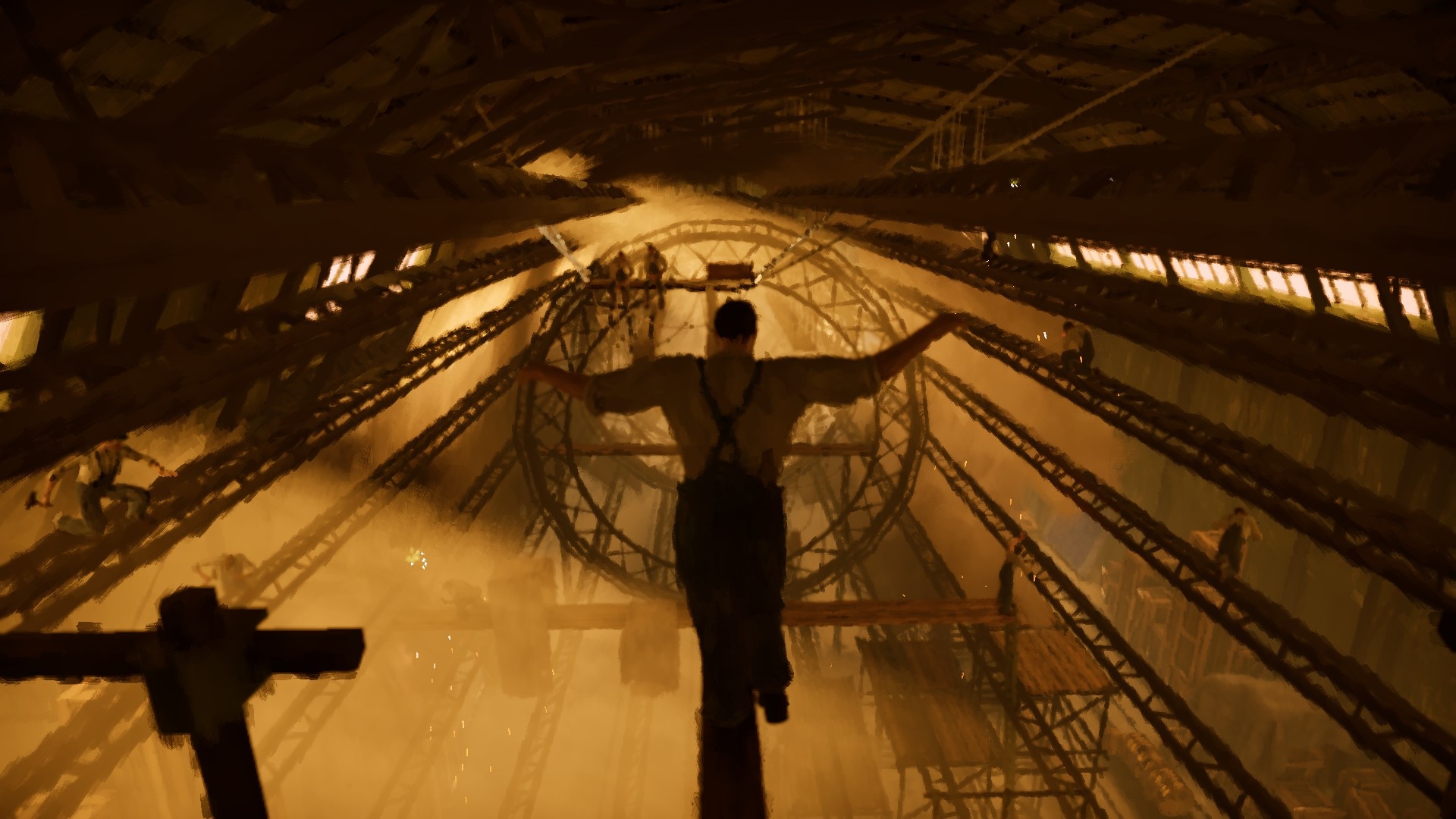
I very much wish I could have skipped Kurt Waldner’s side, a German engineer who joins the war to look for his son’s missing unit. I could care less about playing a video game that tries to establish the human aspect of a people responsible for two world wars. 11-11 Memories Retold did me a favor by tasking me with preparing a radio in the trenches, a puzzle that I could not solve without using Google. So I simply quit the game.
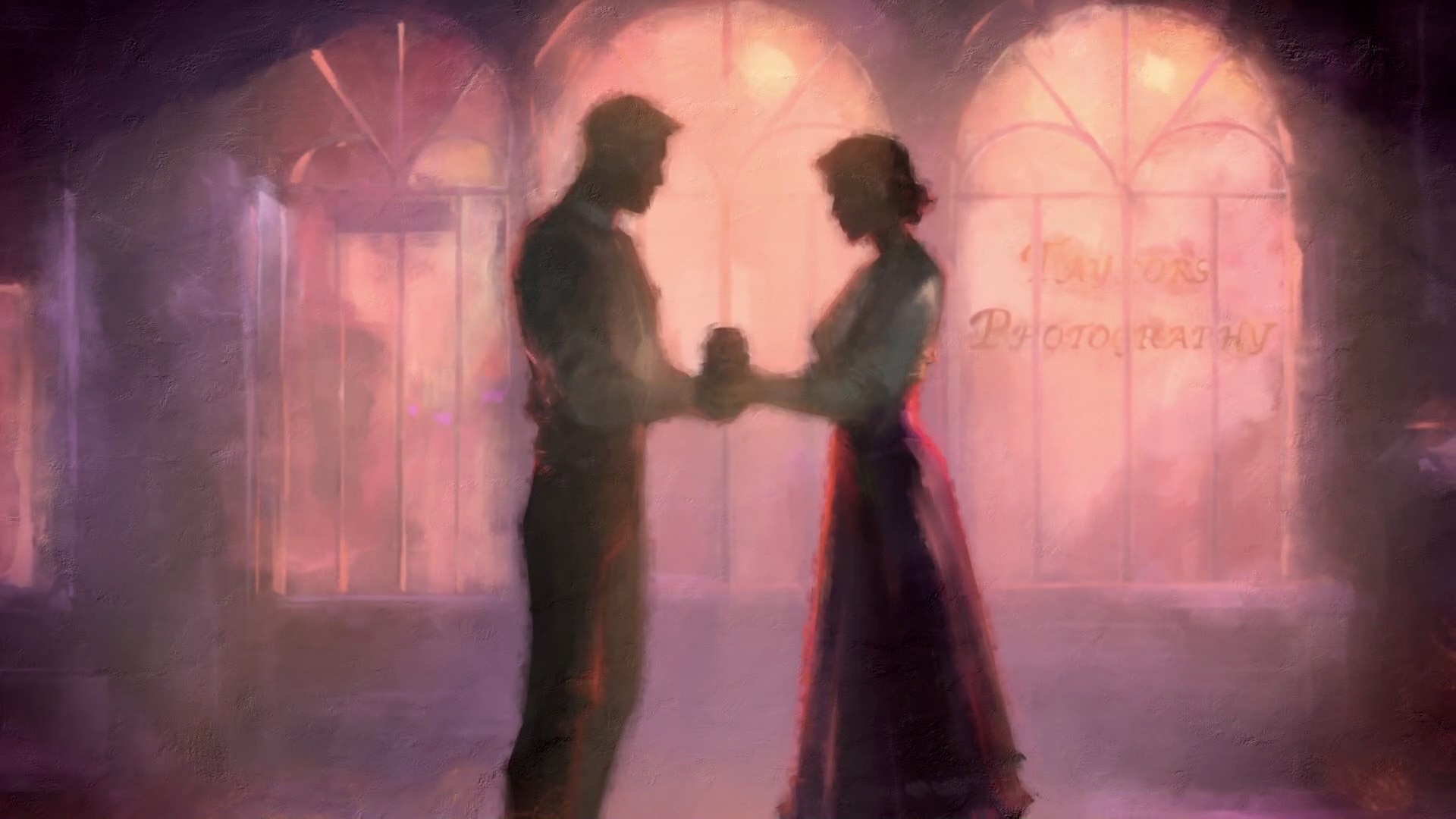
It did not help that the developers implemented an unconventional graphics engine that renders paralyzed faces upon characters with a washed color aesthetic. The price of successfully rendering a dreamscape is a graphics engine that fooled me into thinking 11-11 Memories Retold was a game from 2008, not 2018.
Mario Wonder

Ten years ago, I concluded that New Super Mario Bros Wii U was Nintendo’s magnum opus of 2d Mario games. This game preceded the first Mario Maker by three years, after which the release of the latter cemented my bold claim. I had concluded that even Nintendo knew that they had reached their limit on improving the OG platformer formula that they had invented in the 1980s. Therefore, they gave gamers (almost) all of the tools necessary to invent their own machinations. “Go, forth and see if you can do better,” Nintendo dared gamers.
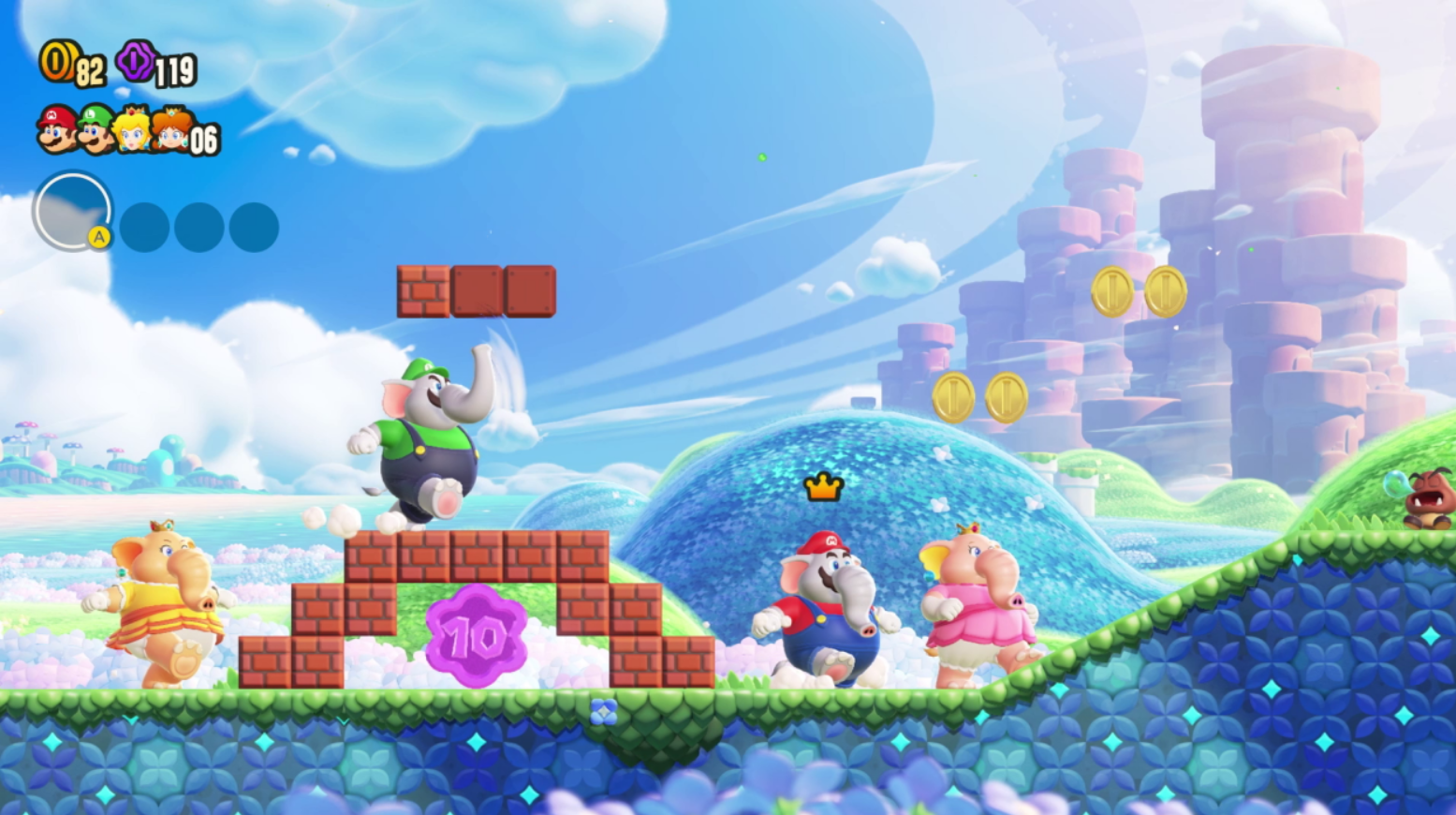
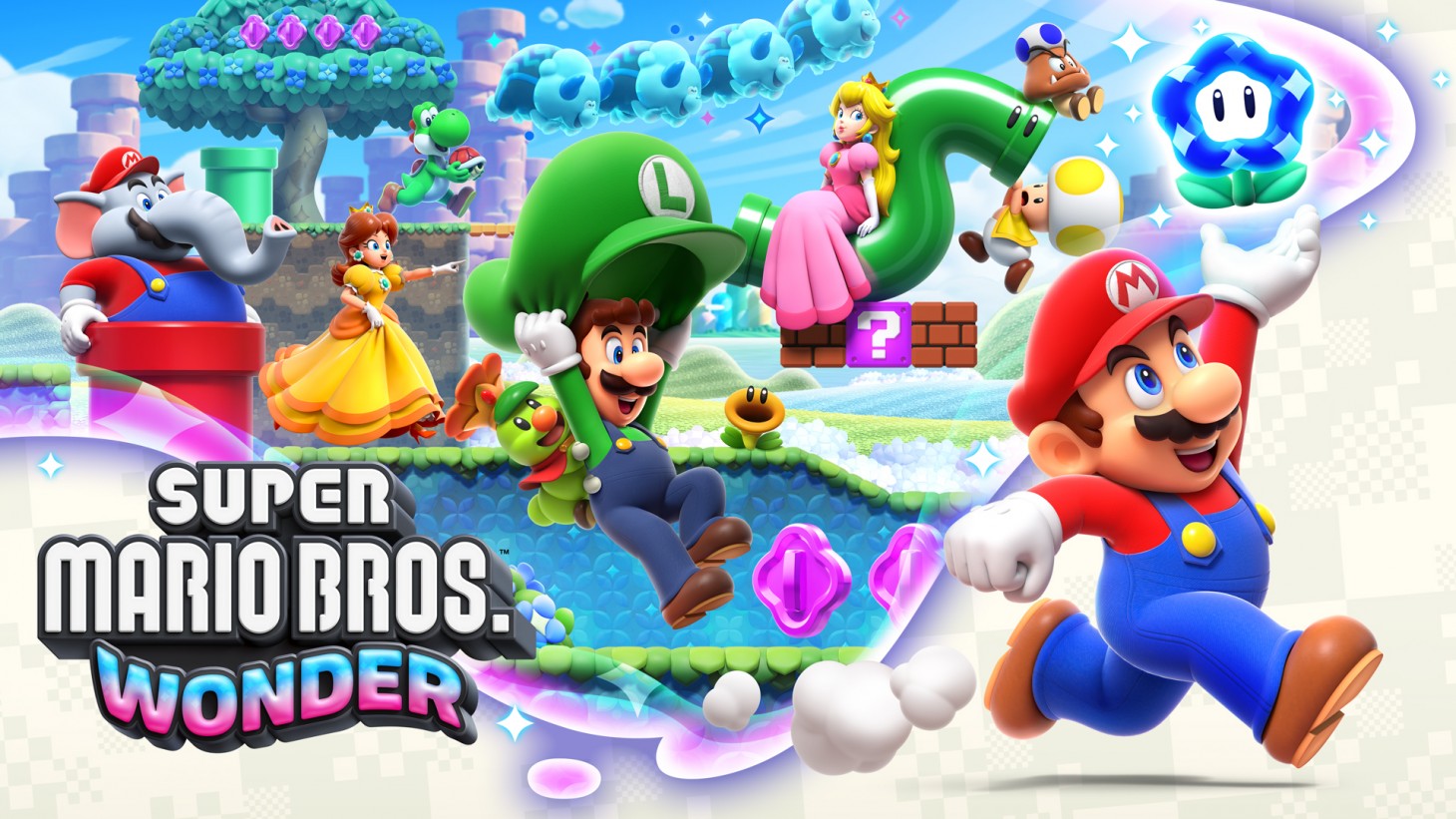
I gave Nintendo the side-eye when the company announced Mario Wonder during a late 2023 Nintendo Direct. But my kids asked for it so I purchased it as a Christmas gift. I have to admit that Nintendo does indeed still have a few tricks up their sleeve. All they needed was some recreational drugs modern psychedelic inspiration and to continue what they started with the multiplayer features of Super Mario 3D World.

I am blessed to have played every Mario game that I have mentioned here with my kids. With NSMBWU, I literally carried them from start to pole because they were too young to play Mario games correctly. By the time we played Super Mario 3D World, the kids’ skills had improved, yet they still deferred to me for the difficult platforming sections. However, with Mario Wonder, my kids—or to be more specific, my boys—played ruthlessly competitively at best, misanthropically selfish at worst. They frequently collected multiple power-ups when their sister or I needed them. Their spider senses tingled when the end-stage pole was near, and they would activate the gimmick required for mounting its apex before everyone was ready to do it together. The first to cap the pole becomes the captain, and it is the captain whom the screen follows. As the captain, my boys would refuse to backtrack so we could find missed purple coins, wonder flower, or chase down runaway mushrooms; while navigating a series of platforming obstacles, they may leap before we are ready and we die, or they may not leap with us and we die.
In other words, my sons taught me how to “choose violence” in a Mario game.
Because of their antagonistic cooperation, I had to play when they were in school or asleep to find the missing world seeds or secret areas to unlock the additional challenge levels. Ironically, it was during this dopamine-driven solitudinous hunt for Mario Wonder‘s sundry mysteries when I realized that the game is good when played solo, yet while played in a party, the magic of this game is an absolute hoot. Every single wonder flower is worth the experience.

My only real gripe is that Yoshi is a playable “easy mode” character who other players can mount. I would have preferred (more) level designs that utilize Yoshi’s unique mechanics as found in NSMBWU.
1979 Revolution: Black Friday

I am not even going to pretend like I know anything about the Iranian Revolution of 1979. Even while reading the wiki, the information simply does not stick. It is completely foreign to me, because even though the game can be played in English, the game resists a Western orientation. And that is precisely why I wanted to play this game: to experience something different, something undeniably brown. Credit to the developers at iNK Stories and N-Fusion Interactive who delivered their interactive vision of the IR in a way that Western audiences could experience.

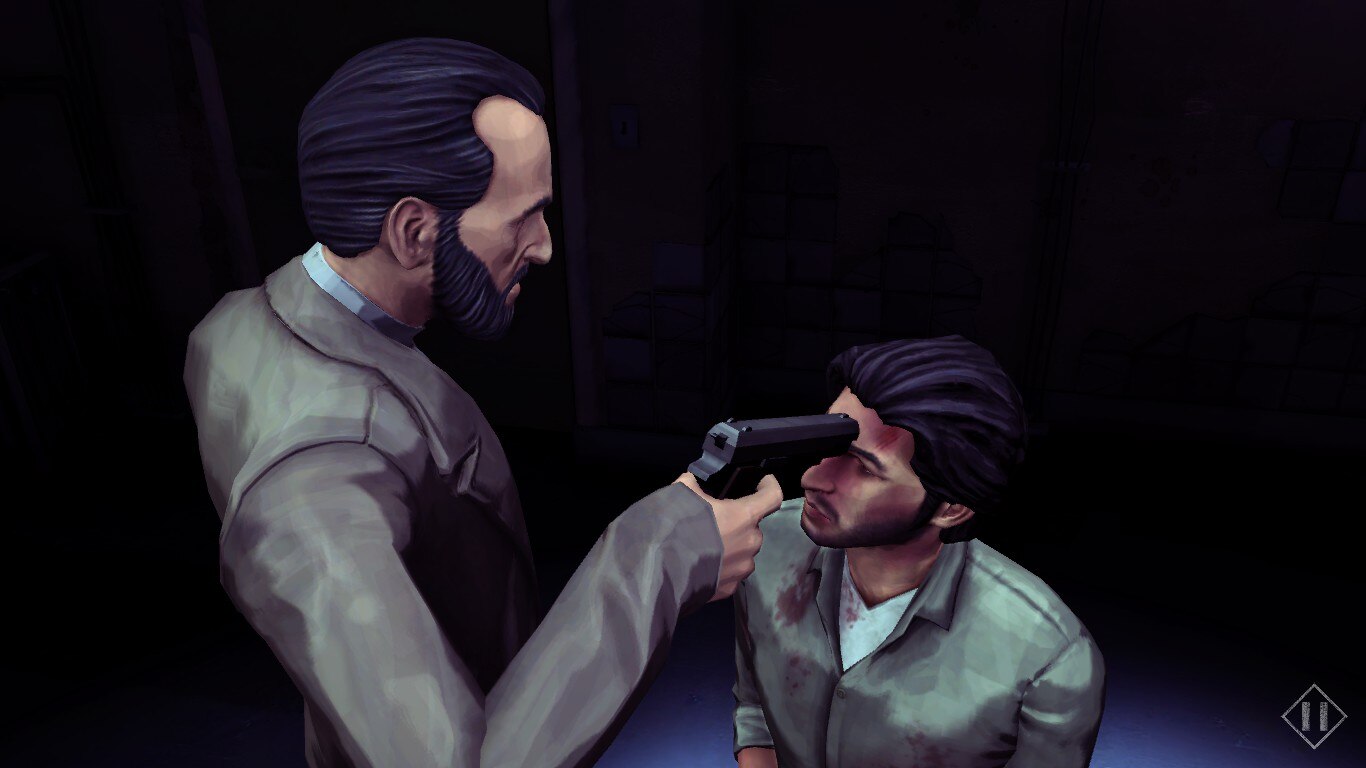
With access to the kinds of resources that Telltale Games enjoyed during their prime, I imagine that 1979 Revolution would have been the mainline series, and Black Friday the episode. Unfortunately, the game ends on an epic cliffhanger, with photographer Reza and brother Hossein in prison with Hajj Aqa, where the player’s Telltale Games-style choices determine the ending—both of which are as chaotic and ambiguous as the revolution itself.

Perhaps the way in which the game balances its own ideological underpinnings is why some of its subject matter did not stick with me. I was looking to be convinced to take a stance: install an Islamist theocracy or restore the imperial state? iNK Stories and N-Fusion Interactive successfully integrate the player into an Iranian milieu through the gameplay pillar of Reza’s photograph mechanic that advances the game’s plot as he documents the IR. The game juxtaposes the in-game renders of IR events with genuine, relevant real-life photographs taken during that time.
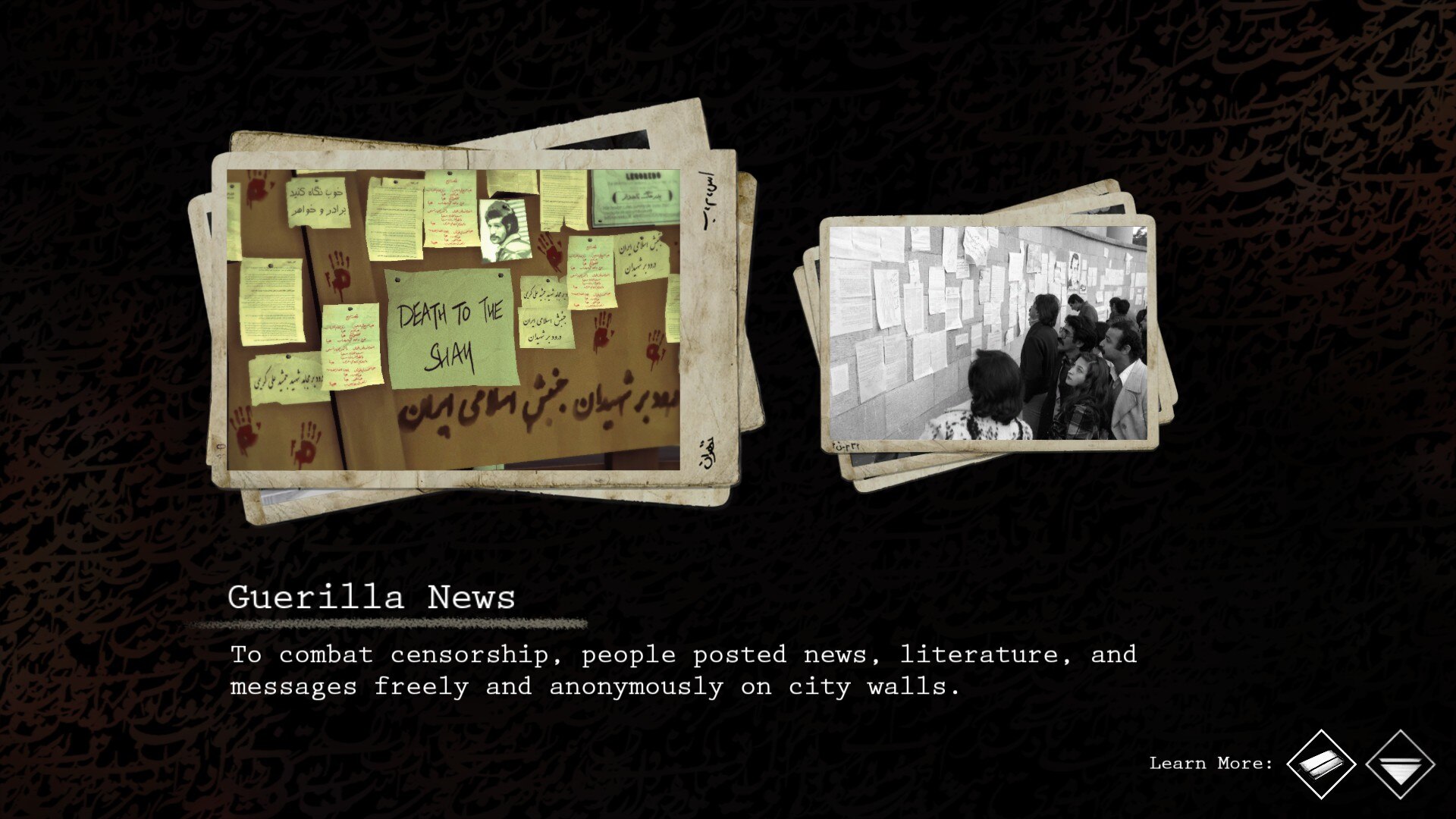
In this way, I enjoyed 1979 Revolution: Black Friday and its exercise in the art of video games. The dynamicism of the medium facilitates projects such as these: a historical fiction portraying major politcal upheval in Iran, an event that I was prior unaware, and am now nominally informed. I, like many others, would love to experience a conclusion to this digital documentary.
 Blerd Beats